
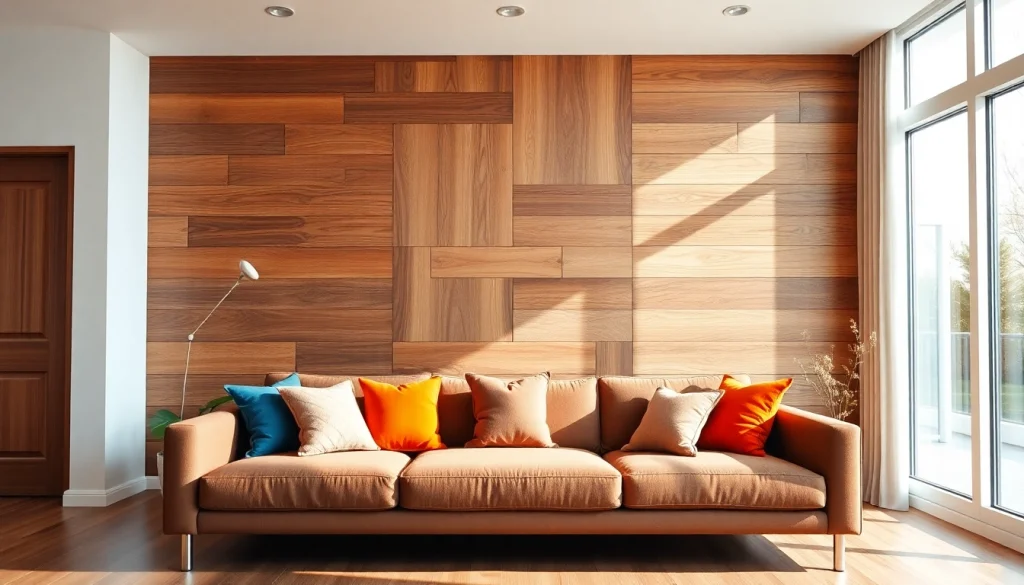
Understanding Wall Paneling
What is Wall Paneling?
Wall paneling refers to the application of decorative panels to interior walls, designed to enhance aesthetics and functionality. Historically used for insulation and protection, modern wall paneling serves as an effective design element capable of transforming a space. From simple wood to more intricate designs, wall paneling can adapt to various styles, including contemporary, rustic, and industrial. Choosing the right type can elevate your home’s decor, making it a focal point for any room. For further details, explore various options in wall paneling.
Common Materials Used
The materials chosen for wall paneling greatly influence the final look and functionality of your space. Here are some of the most common materials used:
- Wood: Classic and versatile, wooden panels can range from polished hardwood to reclaimed barn wood, each offering unique textures and colors.
- MDF (Medium Density Fiberboard): Economical and easy to work with, MDF can mimic the look of wood and allows for intricate designs.
- Plywood: This material provides strength and durability and can be finished in various styles.
- PVC (Polyvinyl Chloride): Often used in areas prone to moisture, PVC is lightweight, waterproof, and easy to clean.
- Metal: For a modern touch, metal panels provide a sleek and unique look, commonly used in industrial designs.
Benefits of Wall Paneling
Investing in wall paneling brings multiple advantages to your home:
- Aesthetics: Enhances the beauty of any room, allowing for creative expression through various styles and finishes.
- Insulation: Adds an extra layer of insulation, helping maintain temperature and reduce energy costs.
- Durability: Protects walls from wear and tear, providing a long-lasting surface that can withstand impacts and moisture.
- Easy Installation: Many types, especially MDF and peel-and-stick options, allow for DIY installation, saving on labor costs.
- Noise Reduction: Some materials provide sound-dampening qualities, making spaces quieter.
Designing with Wall Paneling
Choosing the Right Style
Selecting the appropriate style for wall paneling is crucial for achieving a cohesive aesthetic. Consider the overall theme of your home; for a coastal look, go with light woods or whitewashed panels. For a rustic vibe, reclaimed wood and barn-style paneling can create warmth. On the other hand, sleek metallic finishes are suitable for modern and industrial designs. Mixing styles can also work wonders, such as pairing paneled walls with vintage decor for a unique contrast.
Color Schemes and Textures
Color and texture play significant roles in the effectiveness of wall paneling:
- Color: Light colors can make a room feel larger and fresher, while dark colors add warmth and intimacy. Consider how light interacts with colors to create depth.
- Texture: Variations in texture add dimension. Smooth finishes reflect light beautifully, while rough textures create a more casual feel.
- Patterns: Use patterns in paneling to draw the eye; horizontal lines can widen a space, while vertical lines add height.
Integrating Paneling into Your Space
Integrating wall paneling into existing décor requires a strategic approach:
- Accent Walls: Utilize paneling as an accent wall to create a focal point without overwhelming the space.
- Room Dividers: Panels can act as functional and fashionable dividers in open floor plans.
- Connection with Furniture: Coordinate your paneling choice with nearby furniture for a pulled-together look.
- Complementary Accessories: Pair with appropriate artwork, lighting, and decor to enhance the overall design.
Installation Techniques for Wall Paneling
DIY vs. Professional Installation
Determining whether to install wall paneling yourself or hire a professional depends on your skill level and the complexity of the project. DIY installations often save money but require tools and experience. If the job is extensive or intricate, opting for a professional might be the best choice to ensure quality and minimize mistakes.
Tools Required for Installation
Here’s a list of essential tools you may need for a successful installation:
- Measuring tape
- Level
- Stud finder
- Circular saw or miter saw
- Nail gun or hammer
- Adhesive (if needed)
- Caulking gun
- Sandpaper
- Paint or finish supplies (if applicable)
Step-by-Step Installation Guide
Below is a simple guide for installing wall paneling:
- Preparation: Clear the area, and ensure the wall surface is clean and dry.
- Measure: Accurately measure the wall area to determine how many panels are required.
- Cut Panels: Cut panels to fit wall dimensions using a circular or miter saw.
- Mark Studs: Use a stud finder to locate wall studs and mark them for added support.
- Apply Adhesive: Apply adhesive to the back of the panel or to the wall itself, then position firmly against the wall.
- Nail Panels: Secure each panel in place using a nail gun or hammer, ensuring they are level and aligned.
- Finish Edges: Caulk edges or install trim to achieve a polished look.
- Final Touches: Paint or stain the panels to your desired finish.
Maintenance of Wall Paneling
Cleaning and Care Tips
Proper maintenance is vital to keep wall paneling looking its best. Regular cleaning with a soft cloth and mild soap keeps dust and grime at bay. Avoid harsh chemicals that can damage finishes. For wood paneling, periodic polishing can maintain luster and protect against moisture.
Repairing Damages
Incidental damages such as scratches or dents can be addressed depending on the material. Wood panels can be sanded and refinished, while MDF may require replacement of the affected panel. Keep extra panels on hand for any emergency repairs, as color and texture can vary over time.
Long-term Maintenance Strategies
Implement long-term strategies to ensure durability and aesthetics:
- Inspect Regularly: Check for signs of wear, moisture damage, or pests, and address issues promptly.
- Refinish Periodically: On wood panels, reapply finish to protect against moisture and UV damage.
- Control Humidity: Maintain indoor humidity levels to prevent warping and cracking, especially in wood paneling.
Trends in Wall Paneling
Popular Design Trends
Stay updated on current trends to ensure your wall paneling remains stylish:
- Textured Finishes: Panels that feature raised designs or mixed materials capture attention and elevate aesthetics.
- Vertical Installations: Vertical paneling can create the illusion of height and sophistication in a space.
- Eco-friendly Options: With an increased focus on sustainability, reclaimed and recycled materials are becoming more popular.
Innovative Uses for Wall Paneling
Beyond conventional installations, wall paneling can be utilized in innovative ways:
- Ceilings: Consider using wall paneling on ceilings for a unique look.
- Furniture Design: Customize cabinets and other furniture items with paneling to create cohesive designs.
- Backsplashes: In kitchens or bathrooms, paneling can provide stunning backdrops while remaining functional.
Sustainability in Wall Paneling Choices
Choosing sustainable materials for wall paneling can significantly reduce environmental impact. Look for manufacturers focused on renewable resources, low-emission processes, and responsible forestry practices. Reclaimed wood remains a favorite for both sustainability and character, offering a unique blend of history and craftsmanship.
Frequently Asked Questions
1. What is wall paneling?
Wall paneling is a decorative treatment applied to walls, often consisting of wood, MDF, or PVC. It adds beauty, insulation, and protection to interiors.
2. How do I choose the right wall paneling material?
Consider style, moisture levels, and function. Wood suits classic looks, while MDF is budget-friendly and PVC works well in damp areas.
3. Can I install wall paneling myself?
Yes, many wall paneling types are designed for DIY installation, making them accessible for homeowners willing to put in the effort.
4. How do I maintain my wall paneling?
Regular cleaning with a soft cloth and mild soap is essential. Inspecting for damage and making necessary repairs can prolong its life.
5. What are the latest trends in wall paneling?
Popular trends include textured finishes, vertical installations, and the use of eco-friendly materials, reflecting current design preferences.