
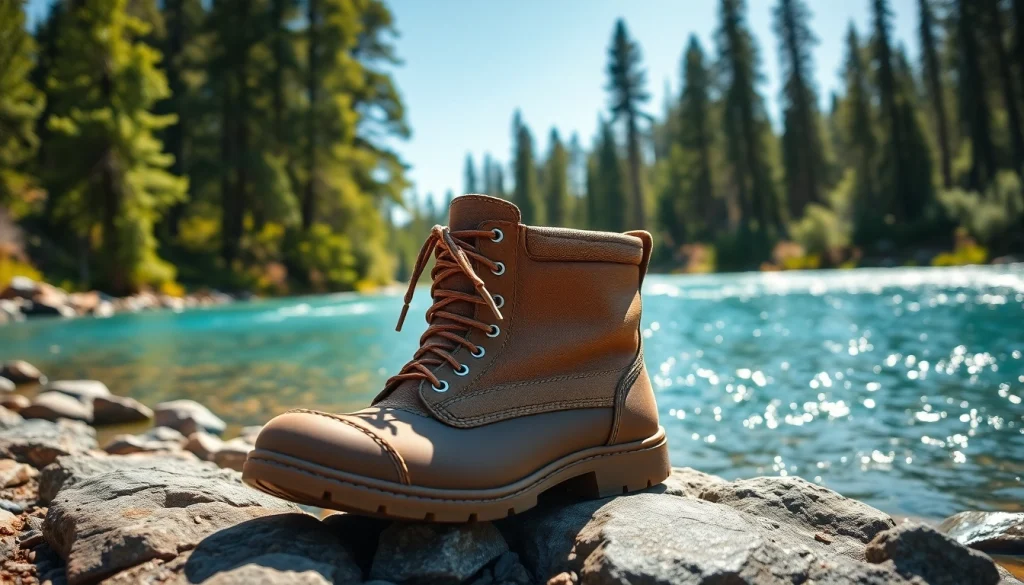
Understanding the Importance of Fly Fishing Boots
For many anglers, fly fishing is more than just a hobby; it’s a way of life. Whether you’re casting a line in a tranquil stream, a rushing river, or the expansive ocean, the right gear can significantly enhance your angling experience. One crucial component of this gear is a quality pair of fly fishing boots. These boots not only protect your feet from the elements, but they also provide essential support and traction as you traverse varying terrains. In this article, we’ll delve deep into what makes fly fishing boots a necessity, guiding you through choosing the right pair and maintaining them for longevity.
Why Invest in Quality Fly Fishing Boots?
Quality fly fishing boots can make or break your fishing trip. From rocky riverbeds to sandy shores, the challenges of terrain can put immense strain on your feet. Investing in high-quality boots means you’re prioritizing comfort, safety, and overall performance. Poorly made boots can lead to discomfort, blisters, or injury—issues that can turn an enjoyable day of fishing into a painful experience.
Key Components of Effective Fly Fishing Boots
When assessing fly fishing boots, several critical components come into play, including waterproofing, support, traction, and fit. Each feature collaborates to ensure that you can move freely and confidently in various environments. Waterproof capabilities help keep your feet dry, while adequate support and traction help you navigate slippery surfaces safely.
Common Mistakes When Choosing Fly Fishing Boots
Many anglers make the mistake of choosing fly fishing boots solely based on appearance or brand reputation rather than performance. It’s crucial to consider factors like the type of fishing you plan to do, the environments you’ll be in, and personal comfort. Trying on boots with different forms of socks can provide a better feel for fit and comfort, avoiding costly wrong decisions later on.
Types of Fly Fishing Boots
Assessing Waterproof vs. Breathable Fly Fishing Boots
When looking for fly fishing boots, anglers will typically choose between waterproof and breathable options. Waterproof boots are designed to repel water, but they can sometimes lead to sweat buildup inside. Breathable boots allow moisture to escape but may not keep your feet dry in submersion conditions. Your choice should depend on the typical conditions you face when fishing, such as whether you wade into deeper waters or fish from shore.
Exploring Sole Types: Felt vs. Rubber Fly Fishing Boots
The soles of your fly fishing boots are crucial for providing traction. Felt soles offer superior grip on slick surfaces like mossy rocks and riverbeds, making them a popular choice among wading anglers. However, rubber soles are often more versatile and durable, offering good traction in various environments, including sandy or muddy terrains. Some boots even feature interchangeable soles to adapt to changing conditions.
Choosing the Right Height for Fly Fishing Boots
The height of fly fishing boots is an essential factor to consider. Ankle-height boots provide excellent mobility and are ideal for shorter wading sessions. Conversely, knee-height boots offer increased protection from water and debris, making them suitable for deeper waters. Assess your typical fishing environments and consider where you might need extra coverage before making a choice.
Features to Look for in Fly Fishing Boots
Evaluating Comfort and Fit in Fly Fishing Boots
Comfort is crucial in any footwear, but especially so for fly fishing boots, as you may spend hours on your feet. Look for boots that provide adequate cushioning and arch support. Fitting should be snug but not overly tight, with enough room to wiggle your toes. Paying attention to these details allows for a better fishing experience, preventing unnecessary fatigue.
Understanding Traction and Support
Good traction protects you from slips and falls, a common hazard in wet and rocky environments. Look for boots that feature soles designed specifically for maximum grip, such as those with multi-directional lugs. Additionally, support from features like padded collars or reinforced toe caps can safeguard your ankles and toes against impact and abrasion.
Examining Durability and Material Choices
Durable materials play a vital role in the longevity of your fly fishing boots. High-quality synthetic fabrics, rubber, and layers of waterproofing are excellent features to look for. Consider how different materials will handle wear and tear, along with factors like sun exposure, water exposure, and thorny vegetation.
How to Maintain Fly Fishing Boots
Cleaning and Drying Techniques for Fly Fishing Boots
Proper maintenance of your fly fishing boots enhances their lifespan. After each fishing trip, clean your boots to remove dirt, sand, and debris. For most boots, a solution of mild soap and water will do the trick. Ensure proper drying as well—avoid direct heat, which can damage waterproofing, and preferably air-dry them in a well-ventilated area. For felt soles, be sure to rinse them thoroughly to prevent debris from being carried into new fishing spots.
Storing Your Fly Fishing Boots Effectively
Storage is often overlooked but is critical for maintaining your fly fishing boots’ integrity. When not in use, store them in a cool, dry place away from excessive sunlight or heat sources. You can fill them with newspaper or a boot dryer to help maintain their shape and absorb moisture, preventing mold and odor.
Knowing When to Replace Your Fly Fishing Boots
Eventually, even the best fly fishing boots will need to be replaced. Signs include cracked or worn-out soles, loss of waterproofing, and overall discomfort. Inspecting your boots regularly will help you determine when it’s time for a new pair, ensuring you never compromise safety and performance on the water.
Best Brands for Fly Fishing Boots
Top-Rated Fly Fishing Boots: Brand Overview
Many reputable brands manufacture fly fishing boots, each offering unique features and technologies. Look at brands that continuously receive high ratings among anglers, such as Simms, Orvis, and Korkers. These brands provide robust options that cater to a range of styles and applications.
Comparing Features Across Popular Fly Fishing Boots
When choosing the right fly fishing boots for you, comparing specific features across different models can be beneficial. Create a checklist based on factors like waterproofing, support, comfort, and intended use to help narrow down your options. Reading through specifications online and visiting local retailers to try them on can also aid in making an informed decision.
Customer Reviews: What Anglers Say About Fly Fishing Boots
Customer reviews can provide invaluable insight into the performance of different fly fishing boots. Look for feedback about fit, comfort, and durability from other anglers who have used the boots in similar conditions. Online forums can also be a solid resource for real-life experiences that can guide your decision-making process.