
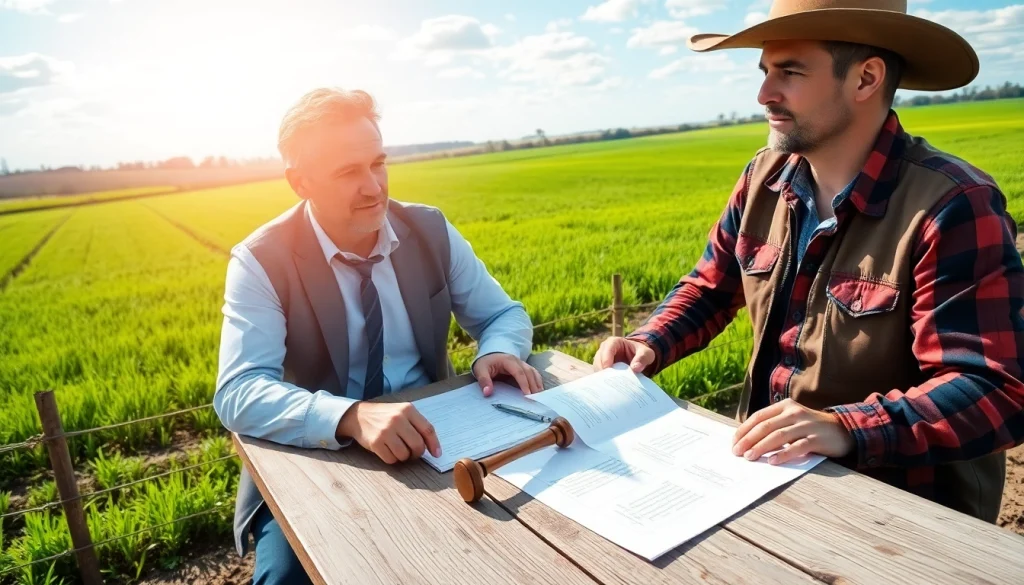
Understanding the Role of an Agriculture Lawyer
What is an Agriculture Lawyer?
An agriculture lawyer is a legal professional who specializes in the complexities of agricultural law, which encompasses a wide range of legal issues pertaining to the farming industry. This specialization requires a deep understanding of the economic, environmental, and regulatory challenges that farmers and agricultural businesses face. Whether it is about land ownership, farming contracts, or regulatory compliance, an agriculture lawyer provides essential guidance tailored to the agricultural sector.
Key Areas of Expertise
Agriculture lawyers typically have expertise in several key areas, including:
- Land Use and Zoning: Understanding local zoning laws and land use regulations is crucial for farmers to use their property effectively.
- Environmental Regulations: Lawyers in this field advise on compliance with environmental laws that impact agricultural practices.
- Agricultural Contracts: Drafting and reviewing contracts related to sales, leases, and partnerships are essential functions of agriculture lawyers.
- Dispute Resolution: They help manage disputes ranging from land usage issues to regulatory compliance conflicts.
Why You Need Specialized Legal Support
The agricultural sector operates under a unique set of laws and regulations that can be incredibly complex. Navigating these laws without specialized legal support can lead to severe consequences, including financial loss or legal penalties. A lawyer who specializes in agriculture provides clarity and protection, ensuring compliance and safeguarding the interests of the farming business.
Common Legal Issues Faced by Farmers
Land Use and Zoning Regulations
Land use and zoning laws dictate how agricultural land can be utilized. Farmers often face challenges related to land designation, which can limit the types of agricultural activities permitted on their property. Agricultural lawyers assist in navigating these regulations, advising on matters such as:
- Understanding local comprehensive plans and zoning codes.
- Securing necessary permits and variances.
- Contesting improper zoning decisions.
Contracts and Agreements in Agriculture
Contracts are vital in agriculture, whether for crop sales, equipment leasing, or labor agreements. Farmers must ensure that contracts are legally sound and protect their interests. An agriculture lawyer helps in:
- Drafting clear, enforceable contracts.
- Negotiating favorable terms with suppliers and buyers.
- Mitigating risks associated with contract non-compliance.
Environmental Regulations Affecting Farms
Environmental regulations are becoming increasingly stringent, requiring farmers to adhere to several standards regarding waste management, water use, and pesticide application. Non-compliance can lead to severe penalties and loss of farming rights. Agriculture lawyers play a critical role in:
- Advising on compliance with local, state, and federal environmental laws.
- Helping develop sustainable practices that meet legal requirements.
- Representing farmers in disputes over environmental issues.
How an Agriculture Lawyer Can Help
Navigating Complex Agricultural Laws
Understanding agricultural law requires deep knowledge of multiple interconnected areas of law. Agriculture lawyers assist clients by decoding statutes and regulations that often appear ambiguous to non-specialists. Their expertise enables farmers to:
- Understand their rights and obligations under the law.
- Plan for future expansions or changes in operations legally.
- Evaluate potential legal risks before undertaking new projects.
Dispute Resolution and Litigation Strategies
Disputes are an unfortunate reality in agriculture due to contracts, land use conflicts, and regulatory issues. An agriculture lawyer is instrumental in crafting effective dispute resolution strategies, which may include:
- Mediation and negotiation to settle conflicts amicably.
- Litigation when necessary, ensuring robust representation in court.
- Advising on best practices to prevent future disputes.
Protecting Your Rights as a Landowner
Farmers have unique rights as landowners that must be protected. An agriculture lawyer provides legal support in safeguarding these rights against encroachment or unlawful regulations. This includes:
- Representation in property disputes.
- Advice on easements and access rights.
- Guidance in negotiations with government entities regarding land use policies.
Choosing the Right Agriculture Lawyer for Your Needs
Tips for Finding Experienced Legal Counsel
When seeking an agriculture lawyer, it’s important to consider the following tips to ensure you find a qualified professional:
- Look for lawyers with a proven track record in agricultural law.
- Seek recommendations from other farmers or agricultural associations.
- Check for relevant certifications or memberships in agricultural law organizations.
What to Look for in Legal Expertise
Potential clients should evaluate several factors regarding a lawyer’s experience in agricultural law:
- Knowledge of specific agricultural issues relevant to your location.
- Experience with litigation if disputes arise.
- Understanding of environmental regulations as they pertain to farming practices.
Benefits of Local vs. National Agriculture Attorneys
Choosing between a local or national agricultural attorney can significantly impact your legal support. Local attorneys often have an inherent understanding of regional laws and practices, while national firms may possess wider perspectives on prevailing trends across states. Consider the following benefits:
- Local Attorneys: Familiarity with local regulations and community standards.
- National Attorneys: Access to a broader network of legal resources and experts.
Future Trends in Agricultural Law
Impact of Climate Change on Agricultural Policies
Climate change is reshaping agricultural practices and policies. Farmers are increasingly required to adapt sustainable methods to minimize environmental impact while complying with new regulations. Agriculture lawyers play a critical role in:
- Advising on best practices for sustainability.
- Helping clients navigate incentives for greener practices.
- Handling disputes arising from new environmental regulations.
Technological Advancements and Legal Considerations
The rapid advancement of agricultural technology, such as precision farming and biotechnology, necessitates a solid understanding of legal implications. Agriculture lawyers are essential in addressing issues related to:
- Intellectual property concerning new agricultural technologies.
- Regulatory compliance for genetically modified organisms (GMOs).
- Contractual agreements related to tech implementations on farms.
Emerging Issues in Sustainable Farming
As sustainability becomes a major focus, new legal issues are emerging. Agriculture lawyers must stay informed about trends such as organic certification, consumer protection laws addressing agricultural practices, and funding opportunities for environmentally sustainable projects. Their guidance can ensure clients are well-positioned to take advantage of new opportunities while remaining compliant with evolving legal standards.