
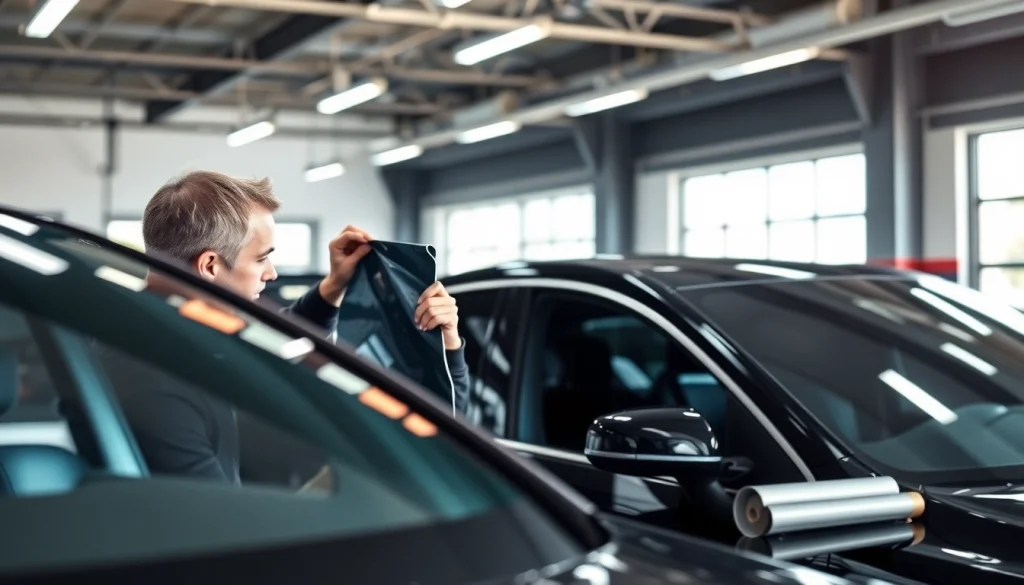
Understanding Window Tinting
What is Window Tint?
Window tint refers to a thin film applied to the interior surface of car windows, residential windows, or commercial glass to control light and heat penetration. This film comes in various shades, colors, and material types, allowing for a customized approach to enhancing aesthetics, comfort, and privacy. By utilizing polyester film coated with special adhesives, window tint refines visibility and reduces glare, creating a more pleasant environment within your vehicle or property.
Benefits of Window Tinting
Window tinting offers a multitude of benefits. Firstly, it significantly reduces UV radiation exposure, helping to prevent skin damage and fading of interior furnishings. Secondly, it enhances temperature control by minimizing heat transference, leading to a more comfortable atmosphere and improved energy efficiency for homes and vehicles alike. Furthermore, tinted windows provide increased privacy and security, making it harder for prying eyes to see inside. Finally, they can also offer a layer of shatter resistance, protecting against debris and accidents.
Types of Window Tint Options
There are several types of window tint, primarily categorized by their composition:
- Dyed Window Film: This is the most basic type, offering aesthetic appeal and some UV protection, but minimal heat rejection.
- Metalized Window Film: This type incorporates metal particles, which increases strength, reduces glare, and improves heat rejection.
- Hybrid Window Film: Combining dyed and metalized films, this option offers a balance of aesthetics, performance, and durability.
- Ceramic Window Film: A premium choice, ceramic films filter UV rays and infrared heat without a reflective surface, providing optimum clarity and performance.
- Crystalline Film: This type allows maximum visible light while rejecting a significant amount of heat, ideal for those seeking lighter tints.
Selecting the Right Window Tint Near Me
Factors to Consider
When searching for the best window tint near me, consider factors such as your specific needs (privacy, UV protection, etc.), the climate in your locality, and your vehicle’s design. Additionally, aesthetics play a role; darker films provide more privacy but can increase heat retention, while lighter options may not offer the same level of concealment but improve visibility and decrease glare.
Local Laws and Regulations
Before proceeding with window tinting, it’s crucial to understand local laws and regulations governing how dark your tint can be and on which windows. Many regions have specific guidelines that aim to balance aesthetics and safety. For instance, certain states may allow darker tints on rear windows but restrict them on front windshields. Always research or consult professionals to ensure compliance with legal requirements.
Getting Recommendations and Reviews
Word of mouth and online reviews are invaluable when selecting a window tint service. Start by asking friends and family for recommendations, and check local online review platforms for insights on customer satisfaction, quality of service, and reliability. Look for ratings on industry forums or social media groups where car enthusiasts share personal experiences regarding their preferred tint service providers.
Installation Process Explained
Preparation and Tools Needed
Proper preparation is key to a successful window tint installation. Essential tools include a utility knife, a squeegee, spray bottles filled with a soapy solution, and a heat gun or hairdryer for adjusting film placement. Start by cleaning windows thoroughly; any dust or debris can cause bubbles and imperfections in the film. Ensure you have adequate lighting and, if possible, work in a dust-free environment to avoid issues during installation.
Steps for a Professional Installation
- Measure and Cut: Measure the glass surface accurately and cut the film slightly larger than the window dimensions.
- Apply Solution: Spray the window and the adhesive side of the film with a soapy solution before applying it.
- Position Film: Carefully place the film on the glass, ensuring it adheres evenly. Use the squeegee to remove any air bubbles.
- Trim Excess: Use a utility knife to trim excess film for a perfect fit.
- Heat and Smooth: Utilize a heat gun to shrink and smooth out the film, ensuring it adheres well to curves in the glass.
Common Mistakes to Avoid
Many mistakes can arise during window tint installation, leading to unsatisfactory results. Common pitfalls include improper cleaning of the glass, rushing the installation process, not using enough soapy solution, and neglecting to follow local regulations. It’s vital to take your time and follow procedures accurately to ensure the longevity and effectiveness of the tint.
Maintenance and Care for Window Tints
How to Clean Tinted Windows
To extend the life of your tinted windows, cleaning them properly is essential. Use a soft fabric cloth or sponge with a mild detergent solution to avoid scratches. Avoid ammonia-based cleaners as they can break down the tint over time. Always remember to clean tinted windows with a gentle touch to maintain visibility and clarity.
Expected Lifespan of Window Tints
The lifespan of window tint varies based on factors including the type of film used and environmental conditions. Generally, quality films can last anywhere from 5 to 15 years. Ceramic tints, known for their durability, often provide longer-lasting results than dyed films. Regular maintenance can significantly influence longevity as well.
When to Replace or Retint
It’s advisable to consider replacing or retinting your windows if you notice fading, peeling, or bubbling in the film. These signs indicate that the tint is no longer effective and may even interfere with visibility. Retinting can be approached similarly to the initial installation, ensuring all previous adhesives and residues are carefully removed to achieve the best results.
Frequently Asked Questions About Window Tint
What Are the Main Benefits of Window Tinting?
Window tinting offers UV protection, heat reduction, glare alleviation, enhanced privacy, interior protection, and potential safety benefits by holding shattered glass in place.
How Long Does Window Tint Last?
The lifespan of window tint varies but typically ranges from 5 to 15 years, depending on the tint type and maintenance practices.
Is Window Tint Installation Legal?
YES, but laws vary by region regarding the allowable tint percentage and mechanical features. Always check local regulations before installation.
Can I Tint My Own Car Windows?
While DIY is possible, professional installation is recommended to avoid common mistakes and ensure a perfect finish and longevity.
What Should I Consider Before Tinting?
Consider factors like local laws, your vehicle aesthetics, the type of tint film, and your performance needs (e.g., UV protection and heat rejection).