Understanding Image to Prompt AI
The advent of AI technologies has transformed the creative landscape, enabling artists and creators to push boundaries and explore new avenues of expression. At the forefront of this innovation is the image to prompt ai — a groundbreaking tool that bridges the gap between visual art and AI-generated content. This article delves into the intricacies of image-to-prompt generation, unveiling its benefits and guiding users through its functionalities.
What is an Image to Prompt Generator?
An image to prompt generator is an advanced AI tool designed to convert visual input into structured text prompts. It utilizes sophisticated algorithms in machine learning, particularly in computer vision, to analyze images deeply. By interpreting elements such as subjects, environments, styles, and moods, the generator produces detailed descriptions that can be utilized with various AI image generators.
How Does Image to Prompt AI Work?
The technology behind image to prompt AI relies on complex neural networks and large language models. When an image is uploaded, the AI assesses its components, breaking down visual cues such as color schemes, object placement, and thematic nuances. It then transforms these insights into a coherent text prompt that accurately encapsulates the essence of the image, enabling AI models like Midjourney, Stable Diffusion, and others to replicate or modify the visual effectively.
Benefits of Using Image to Prompt AI
- Efficiency: Quickly generates prompts without requiring users to manually describe images.
- Consistency: Provides structured outputs that enhance the likelihood of satisfactory results from AI image generators.
- Accessibility: Designed for ease of use, enabling both novice users and seasoned professionals to harness its capabilities effectively.
- Creativity Boost: Serves as a source of inspiration, helping users overcome creative blocks by suggesting detailed visual concepts.
Getting Started with Image to Prompt AI
Selecting the Right Images for Prompt Generation
The choice of image plays a critical role in the effectiveness of the prompt generated. To optimize outcomes, select clear images with distinct subjects and engaging compositions. Consider images that showcase variety in colors, textures, and light to allow the AI to gather a rich set of visual data for the prompt. High-resolution images tend to produce better results, as they contain more detail for analysis.
Step-by-Step Guide to Using Image to Prompt Tools
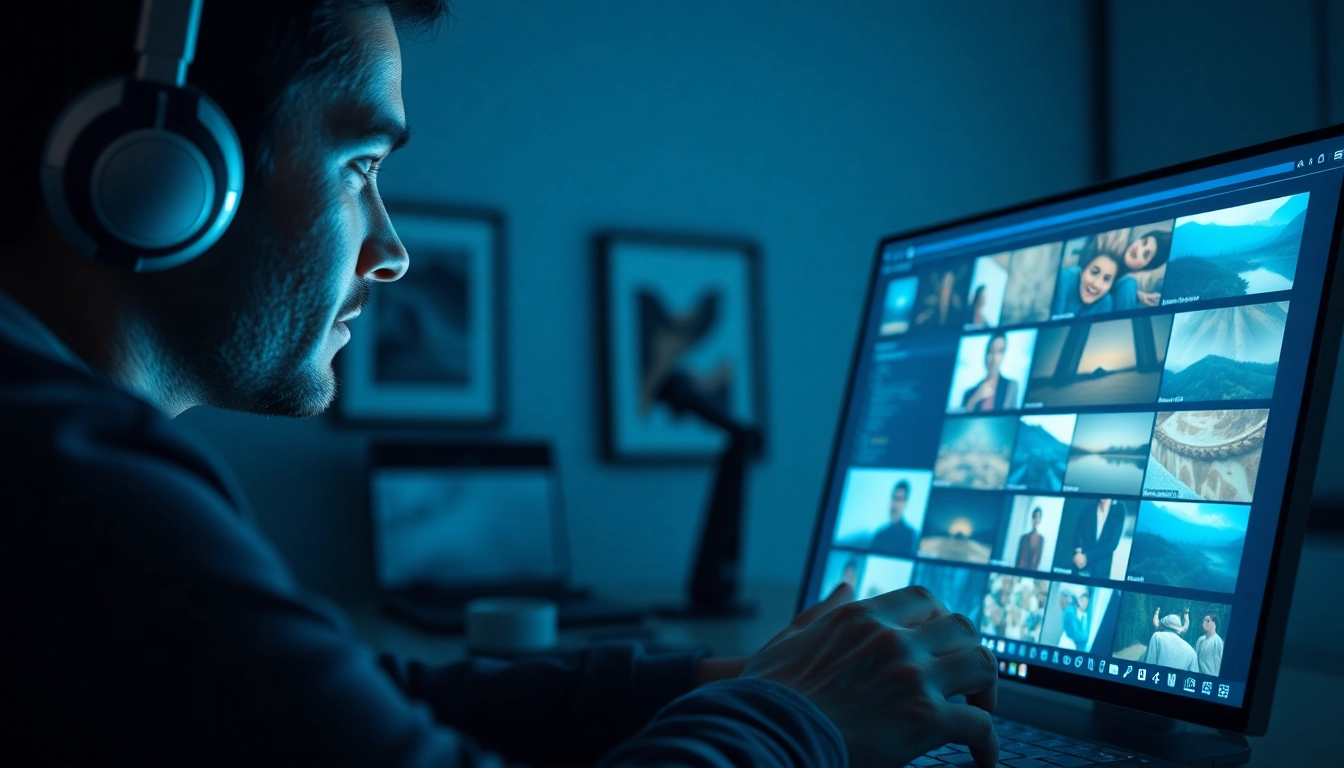
- Upload or Select an Image: Users can upload images in various formats such as PNG, JPG, or WEBP, up to a size of 4MB. The interface allows for a straightforward drag-and-drop functionality.
- Click the “Generate Prompt” Button: Once the image is uploaded, clicking the generate button triggers the AI to analyze the picture and produce a corresponding prompt.
- Review the Generated Prompt: After a few seconds, the user receives a detailed prompt that describes the image. This prompt can be copied directly or refined further based on specific needs.
- Experiment and Iterate: Users are encouraged to experiment with different images and parameters, testing various styles and settings to see how the AI interprets different inputs.
Common User Challenges and How to Overcome Them
Some users may encounter challenges in achieving their desired prompt quality. To overcome these issues, it’s advisable to:
- Use High-Quality Images: Low-quality or blurry images can lead to unsatisfactory prompts. Ensure the selected images have good resolution and clarity.
- Be Specific with Image Content: Images that tell a clear story or convey a distinct theme lead to more effective prompts. Avoid abstract or overly complex images.
- Refine Generated Prompts: Don’t hesitate to modify the AI-generated prompts to better fit personal artistic visions. Users can add or adjust details to suit their projects.
Optimizing Your Prompts for Better AI Outputs
Best Practices for Crafting Effective Image Descriptions
Crafting effective prompts is an art in itself. Here are some best practices:
- Be Descriptive: Incorporate details about the image, such as color, mood, and atmosphere, to create vivid prompts.
- Use Clear Language: Ensure prompts are structured in simple, clear language to avoid misinterpretation by AI models.
- Incorporate Artistic Styles: When relevant, reference specific art styles or techniques to guide the AI in generating images that align closely with your vision.
Understanding AI Interpretation of Visual Elements
AI models interpret prompts based on the descriptions fed into them. Understanding how these AI systems process visual elements can help users create better prompts. Elements like lighting, composition, and color contrast greatly influence the generated outputs. For instance, describing a scene with “soft, diffused lighting” will encourage the AI to generate images that reflect that aesthetic, whereas stating “harsh, high contrast” will lead to entirely different interpretations.
Experimenting with Different Prompt Formats
Image to prompt generators often allow users to experiment with various formats for outputs. Users can create:
- General Descriptive Prompts: Basic prompts that provide a general idea of the image.
- Structured Prompts: More detailed prompts that adhere to specific styles or formats preferred by different AI models.
- Model-Specific Prompts: Tailored prompts designed for certain platforms, optimizing the results according to specific requirements.
Exploring Compatibility with AI Models
Using Image to Prompt AI with Gemini and Flux
Image to prompt AI is particularly effective when used with popular AI models such as Gemini and Flux. The tool generates optimized prompts that align with the unique characteristics of these platforms, ensuring users can create visually appealing outputs that maintain fidelity to their original intent.
How to Adapt Prompts for Nano Banana Pro and Midjourney
Each AI image generator has its quirks and strengths. For instance, Nano Banana Pro might favor minimalistic prompts, while Midjourney can often produce better results with more elaborate descriptions. Understanding the nuances of these models allows users to adapt their prompts accordingly, enhancing the quality of generated images.
Comparative Analysis of Different AI Model Outputs
Conducting comparative analyses across different AI models provides insights into how variations in prompts can lead to differing outputs. Users can note how changes in wording, structure, or detail level impact the AI’s interpretation and final image creation. This knowledge is invaluable for refining personal approaches to AI-assisted image generation.
Future Trends in AI Prompt Generation
Emerging Developments in Image to Prompt AI Technologies
As AI technology continues to evolve, the capabilities of image to prompt generators are likely to become even more sophisticated. Future developments may include improved contextual understanding of images, allowing for more nuanced prompts that capture subtleties in emotion and atmosphere. Enhanced integration with multi-modal AI systems may also emerge, blending text, audio, and visual data for a more holistic creative process.
Predictions for User Engagement in 2026
By 2026, user engagement with image to prompt AI tools is expected to significantly increase as more creators recognize their utility in streamlining artistic processes. As education regarding AI technologies becomes more widespread, users will likely become more adept at leveraging these tools, leading to a surge in creativity and innovative projects across various artistic disciplines.
Potential Innovations in AI-driven Creativity
The future of image to prompt AI holds exciting possibilities for innovation. Potential advancements could include enhanced collaborative features, allowing multiple users to contribute input and feedback on prompts and generated images in real time. Additionally, personalized learning algorithms may evolve, tailoring the AI’s suggestions and prompts based on individual user styles, preferences, and past interactions.