Understanding Crawl Space Restoration
What is Crawl Space Restoration?
Crawl space restoration involves the process of repairing, cleaning, and maintaining the area beneath a home, which is often prone to moisture and various environmental issues. This space, typically small and accessed via a hatch or vents, plays a critical role in a home’s structural integrity and overall safety. Effective restoration addresses concerns such as mold growth, insect infestations, and foundation damage, ensuring the area is healthy and secure. A professional approach to Crawl Space Restoration can prevent long-term problems and preserve home value.
Importance of Crawl Space Maintenance
Maintaining a clean and dry crawl space is essential for several reasons. Firstly, it prevents moisture buildup, which can lead to mold growth and rot, impacting the health of your home. Secondly, a well-maintained crawl space enhances indoor air quality by reducing allergens and harmful pathogens. Lastly, regular maintenance can help homeowners avoid expensive repairs, as neglected spaces often lead to structural damage or pest infestations, creating unsafe living conditions.
Common Issues in Crawl Space
Several issues commonly arise in crawl spaces due to their nature and location. One of the primary concerns is moisture accumulation, which can be caused by poor drainage, flooding, or high humidity levels. This can lead to mold, mildew, and wood rot. Another issue is pest infestations, including rodents and insects, which can thrive in undisturbed areas. Lastly, structural problems, such as foundation cracks or sagging beams, may indicate more serious underlying concerns that require immediate attention.
Signs You Need Crawl Space Restoration
Indicators of Mold and Dampness
Recognizing the signs of mold and dampness is crucial for timely restoration. Look for visible mold growth on walls or floors, which may appear as black or green patches. Additionally, a musty odor emanating from the crawl space is a strong indicator of mold presence. Excessive humidity, often detectable by condensation on surfaces, can also signify moisture issues that require immediate action.
Structural Concerns to Watch For
Beyond mold, it’s essential to keep an eye out for structural issues that indicate the need for restoration. This includes uneven or sagging floors, which may suggest compromised beams or joists. Cracks in foundation walls or the presence of gaps in the structure can also be alarming signs. These issues not only affect stability but can also lead to costly repairs if not addressed early.
Monitoring Indoor Air Quality
Indoor air quality can be significantly impacted by crawl space conditions. Musty odors, increased allergen levels, or respiratory issues can stem from a damp, mold-infested crawl space. Regularly monitoring air quality through inspections and using air quality meters can help homeowners understand the health of their indoor environment and whether it’s linked to crawl space conditions.
Step-by-Step Crawl Space Restoration Process
Initial Inspection and Assessment
The first step in the restoration process is a thorough inspection of the crawl space. This includes assessing moisture levels, inspecting for mold and pests, and evaluating structural integrity. Professionals often use specialized tools, such as moisture meters and thermal imaging cameras, to identify hidden issues. An accurate assessment allows for a tailored restoration plan that addresses all detected problems effectively.
Cleaning and Removal of Harmful Materials
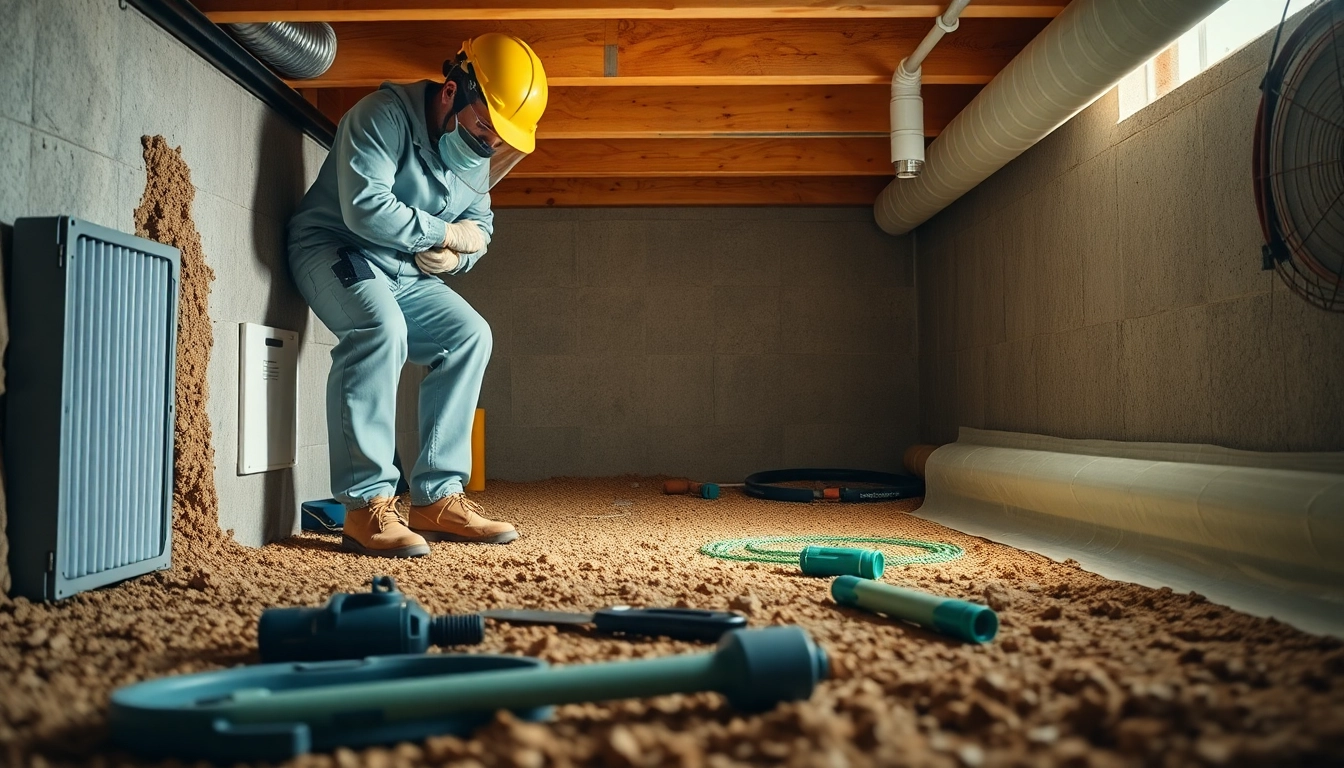
After assessment, the next phase is the cleaning of the crawl space. This involves the removal of any accumulated debris, old insulation, or contaminated materials. Proper disposal of hazardous materials, such as mold-infested items or rodent droppings, is crucial for ensuring a safe environment. The cleaning process often includes scrubbing surfaces with mold remediation solutions to eliminate spores and prevent future growth.
Sealing and Insulation Techniques
Once the space is clean, sealing and insulation are key to a successful restoration. Sealing involves applying vapor barriers to floors and walls to prevent moisture ingress. Insulation techniques may include adding insulation to walls, floors, and pipes to improve energy efficiency and maintain consistent temperatures. Properly sealing and insulating a crawl space helps keep it dry and the home’s energy efficient, creating a more comfortable living environment.
DIY vs Professional Crawl Space Restoration
When to Consider Professional Help
While some homeowners may consider tackling crawl space restoration as a DIY project, professional help is often advisable for more severe issues. If you detect significant mold growth, structural problems, or persistent pests, it’s best to consult with experts. Professionals possess the necessary equipment and knowledge to handle hazardous materials safely and can implement effective solutions based on their assessment.
Cost Analysis: DIY vs Hiring Experts
Cost is a significant consideration when deciding between DIY and hiring professionals for crawl space restoration. DIY projects can save money initially, but hidden problems may lead to further costs down the line due to inadequate repairs. Hiring professionals usually involves a higher upfront cost, ranging from a few thousand to over ten thousand dollars, depending on the scope of work. However, their expertise can save homeowners money in the long run by ensuring effective restoration and reducing the likelihood of recurring issues.
Best Practices for Homeowners
For homeowners looking to maintain their crawl space over time, there are several best practices. Regular inspections should be part of home maintenance to catch issues early before they escalate. Additionally, managing moisture levels through dehumidifiers or proper drainage solutions can help prevent mold growth. Keeping the area clear of debris and maintaining good ventilation are also vital for ensuring a healthy crawl space.
FAQs on Crawl Space Restoration
What is the average cost of Crawl Space Restoration?
The average cost varies based on size and damage, usually ranging from $2,000 to $15,000.
How long does Crawl Space Restoration take?
Depending on the extent of repairs, it can take anywhere from a few days to several weeks.
Can I stay in my home during restoration?
It’s generally safe to remain while minor repairs are done, but major work may require temporary relocation.
What maintenance is needed post-restoration?
Routine inspections and moisture control are crucial for maintaining a healthy crawl space after restoration.
How do I prevent moisture buildup?
Installing dehumidifiers and ensuring proper drainage can significantly reduce moisture in the crawl space.