
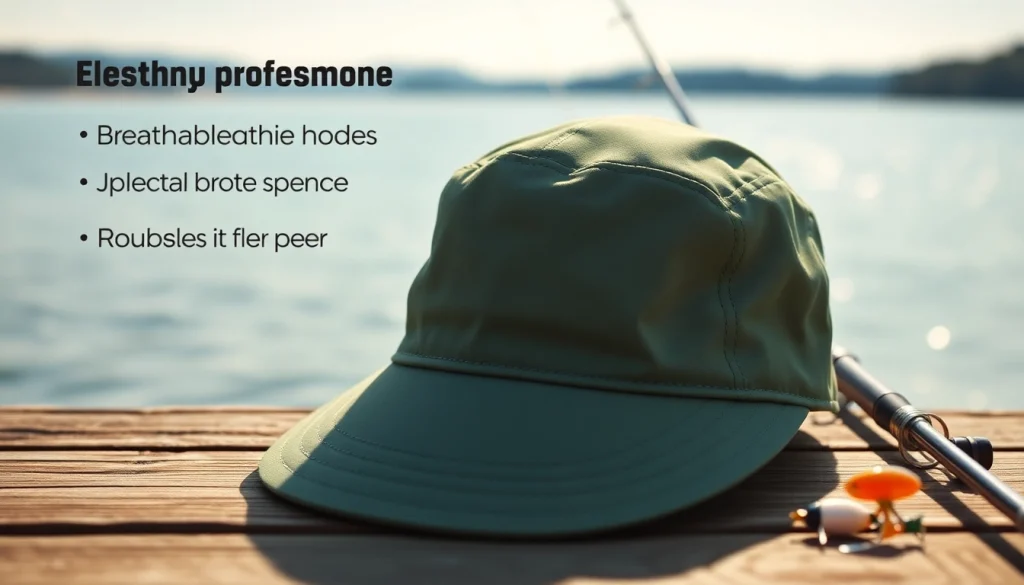
Understanding the Importance of a Fly Fishing Hat
When heading out for a day of fly fishing, the right gear can make all the difference in your overall experience. One often-overlooked piece of equipment is the fly fishing hat. Unlike standard caps, a typical fly fishing hat serves multiple purposes, from protecting you against weather elements to enhancing your comfort during lengthy fishing sessions.
Protection from the Elements
A quality fly fishing hat offers essential protection against both sun and rain. With wide brims to shield your eyes and face from harmful UV rays, you can fish for hours without the worry of sunburn or overheating. Additionally, many hats incorporate moisture-wicking fabrics that allow you to stay dry even in humid conditions. For the unexpected rain, hats designed with waterproof materials ensure that your head stays dry.
Enhancing Comfort During Long Sessions
Comfort is paramount when you are out on the water for extended periods. A well-designed fly fishing hat features ventilation and lightweight materials that help mitigate perspiration while providing a comfortable fit. Adjustable straps or chin cords will keep your hat secure, preventing it from being blown off during windy days. This focused design helps you maintain concentration on your fishing technique rather than being distracted by discomfort.
Choosing the Right Style for Your Needs
There are numerous styles available in fly fishing hats, from broad-brimmed sun hats to fishing caps equipped with neck flaps. Your choice should reflect your specific needs based on your fishing environment. Consider factors such as forecasted weather, available sunlight, and even personal style when choosing the right hat. Knowing what will work best for you can significantly improve your fishing experience.
Key Features to Look for in a Fly Fishing Hat
Material and Breathability
The material of your fly fishing hat plays a crucial role in breathability and comfort. Look for hats made of technical fabrics that wick sweat and allow airflow. Lightweight synthetic materials or natural fibers like cotton can help regulate your body temperature, ensuring you remain comfortable throughout your fishing trip.
UV Protection and Sun Shields
As mentioned earlier, UV protection is vital when choosing a fly fishing hat. A good hat should ideally feature a UPF (Ultraviolet Protection Factor) rating, which provides a quantifiable measure of the hat’s effectiveness in blocking harmful UV rays. Some hats even come equipped with detachable sun shields for extra protection.
Adjustable and Secure Fit
To ensure that your fly fishing hat stays in place during all activities, an adjustable and secure fit is crucial. Options that include elastic bands, chin straps, or adjustable closures can help customize the fit to your head. This feature not only enhances comfort but also offers protection against wind and rapid movements while casting or reeling in your catch.
Best Practices for Maintaining Your Fly Fishing Hat
Cleaning Techniques for Longevity
To ensure your fly fishing hat lasts through many outings, it’s essential to clean it properly after each use. Most hats can be hand-washed in lukewarm water with a mild detergent. Avoid harsh chemicals that can break down the fabric’s integrity. For stubborn stains, a soft brush might help remove the debris without damaging the material.
Storage Tips for Safekeeping
Proper storage is as vital as proper cleaning. When not in use, store your fly fishing hat in a dry, cool place away from direct sunlight. Avoid folding or crushing it, which might warp its shape. Instead, consider using hat boxes or a dedicated section in your fishing gear bag to keep it safely stowed.
Repairing Common Wear and Tear
Even the best fly fishing hats can experience wear and tear over time. Common issues include frayed straps, sun damage, or sweat stains. Flaps can be sewn back, and fabric patches can cover small rips. Always check for a guarantee or warranty that may cover repairs to ensure your investment is protected.
Popular Designs and Trends in Fly Fishing Hats
Classic vs. Modern Styles
When it comes to designs, options range from classic wide-brimmed styles to more modern, compact fishing caps. Classic designs often emphasize tradition and functionality, while modern styles may focus on lightweight materials and trendy aesthetics. Consider your personal style and functionality needs when selecting a hat design.
Color Choices for Visibility
While selecting a color for your fly fishing hat, keep in mind that visibility is key. Bright colors can enhance safety and help other anglers notice your presence, especially in crowded fishing areas. However, choosing lighter colors can also help reflect sunlight and keep the hat cooler.
Branded vs. Unbranded Options
Branding can be an essential factor for some anglers who associate certain labels with quality and reliability. Unbranded or generic options can also offer excellent performance at a fraction of the cost. Ultimately, the hat’s features and quality should take precedence over the label sewn inside.
Choosing the Right Fly Fishing Hat for Different Conditions
Warm Weather Fishing Gear
In warm weather, lightweight hats with breathable fabrics are ideal. Look for features such as mesh panels that promote airflow, providing comfort on hot days. Moreover, hats with adjustable brims can offer customizable coverage against the sun.
Cold Weather Adjustments
When fishing in colder conditions, opt for hats with thermal insulation or those that cover the ears. Materials such as fleece or wool can add an extra layer of protection against chilling winds. Consider hats that allow layering under your fishing cap for added warmth.
Rain Protection Solutions
In rainy conditions, investing in hats made from waterproof materials is essential. A good fly fishing hat should feature a water-resistant outer layer to ensure that your head stays dry. Furthermore, look for brims designed to deflect rainwater away from your face.
FAQs
What makes a fly fishing hat different?
A fly fishing hat usually offers UV protection, breathability, and practical features like ventilation, setting it apart from regular hats.
Can I wear other hats for fly fishing?
While other hats can work, a fly fishing hat is specially designed for comfort, functionality, and protection tailored to fishing conditions.
How should I clean my fly fishing hat?
Hand wash with mild soap in lukewarm water, avoiding harsh chemicals that can damage the fabric or its protective qualities.
Are there specific fly fishing hats for cold weather?
Yes, look for insulated designs or those with flaps for added warmth, ensuring you remain comfortable during chilly fishing conditions.
What should I consider when sizing my fly fishing hat?
Measure your head circumference to select a properly fitting hat; consider adjustability features for a customized fit to ensure security.