
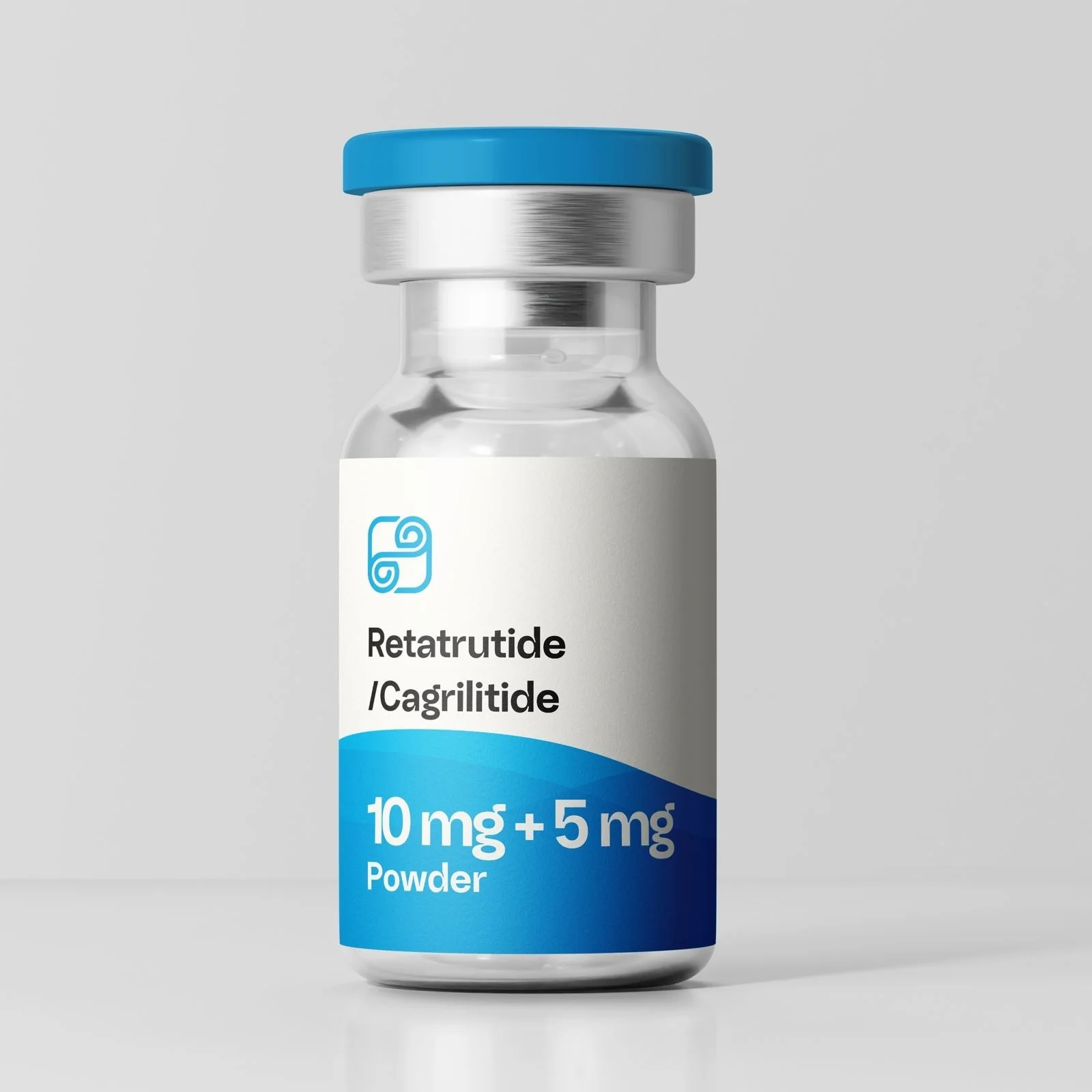
Tirzepatide is emerging as one of the most talked-about compounds in recent pharmaceutical research. With promising results in clinical trials and laboratory studies, this medication has gained attention for its potential in managing metabolic conditions such as type 2 diabetes and obesity. At Lumia Lab, our focus is on exploring the detailed benefits of Tirzepatide in controlled laboratory environments to understand its mechanisms, efficacy, and future potential.
- Understanding Tirzepatide
- Mechanism of Action in Laboratory Studies
- Tirzepatide and Weight Management
- Metabolic Benefits Explored by Lumia Lab
- Safety and Efficacy in Laboratory Settings
- Tirzepatide’s Role in Future Therapies
- Laboratory Studies Inform Clinical Research
- Conclusion: Tirzepatide Research at Lumia Lab
Understanding Tirzepatide
Tirzepatide is a novel dual glucose-dependent insulinotropic polypeptide (GIP) and glucagon-like peptide-1 (GLP-1) receptor agonist. Unlike traditional medications that target a single pathway, tirzepatide offers a multi-pronged approach to managing blood sugar levels and body weight. Laboratory studies play a critical role in uncovering how tirzepatide interacts with cellular pathways, providing insights that cannot be observed in clinical trials alone.
Mechanism of Action in Laboratory Studies
At the cellular level, tirzepatide has shown remarkable effects on pancreatic beta cells and insulin sensitivity. Laboratory research indicates that tirzepatide enhances insulin secretion in response to elevated glucose while simultaneously reducing glucagon secretion. This dual action not only stabilizes blood glucose but also supports better energy utilization and fat metabolism. Lumia Lab studies have focused on analyzing these mechanisms in vitro, giving researchers a clear picture of tirzepatide’s potential benefits before broader clinical application.
Tirzepatide and Weight Management
One of the most significant advantages of tirzepatide observed in laboratory studies is its impact on weight reduction. Laboratory experiments using animal models and cellular assays have demonstrated that tirzepatide can reduce appetite, increase energy expenditure, and enhance fat metabolism. Researchers at Lumia Lab have closely monitored these effects to determine the optimal dosing and potential long-term benefits. These laboratory insights provide a foundation for understanding how tirzepatide may support weight management in humans.
Metabolic Benefits Explored by Lumia Lab
Beyond glucose control and weight management, tirzepatide has shown potential in improving overall metabolic health. Laboratory studies at Lumia Lab have investigated how tirzepatide influences lipid profiles, liver function, and inflammatory markers. The results suggest that tirzepatide may reduce triglycerides, improve HDL cholesterol levels, and lower markers of systemic inflammation. These findings highlight the broader implications of tirzepatide, making it a compound of interest not only for diabetes management but also for comprehensive metabolic wellness.
Safety and Efficacy in Laboratory Settings
Safety is a top priority in all laboratory research. Studies conducted at Lumia Lab have carefully monitored tirzepatide’s effects on various organ systems and cellular functions. Laboratory data indicate that tirzepatide is generally well-tolerated, with minimal adverse effects observed at therapeutic doses. By analyzing these safety parameters in a controlled laboratory setting, researchers can better predict potential risks and optimize treatment strategies for future clinical applications.
Tirzepatide’s Role in Future Therapies
The laboratory findings on tirzepatide open the door to innovative therapeutic approaches. Research at Lumia Lab is exploring how tirzepatide can be combined with other metabolic agents to enhance efficacy and minimize side effects. These studies are essential for developing next-generation treatments for metabolic disorders. By understanding tirzepatide at a molecular level, researchers can design personalized therapy regimens that maximize benefits for patients.
Laboratory Studies Inform Clinical Research
Laboratory studies are the cornerstone of modern drug development, and tirzepatide research is no exception. At Lumia Lab, we emphasize translating laboratory findings into actionable insights for clinical trials. Observations from laboratory studies, including cellular responses and metabolic changes, guide the design of human studies. This stepwise approach ensures that tirzepatide therapies are both effective and safe before being widely prescribed.
Conclusion: Tirzepatide Research at Lumia Lab
Tirzepatide represents a promising frontier in metabolic therapy, and laboratory studies are essential for understanding its full potential. At Lumia Lab, our research highlights the mechanisms, benefits, and safety of tirzepatide in controlled experimental settings. From enhancing insulin sensitivity and supporting weight management to improving overall metabolic health, tirzepatide continues to show encouraging results. Ongoing studies at Lumia Lab aim to expand our knowledge and pave the way for innovative therapeutic solutions. By exploring tirzepatide in depth, we are committed to contributing to a future where metabolic disorders can be managed more effectively and safely.