
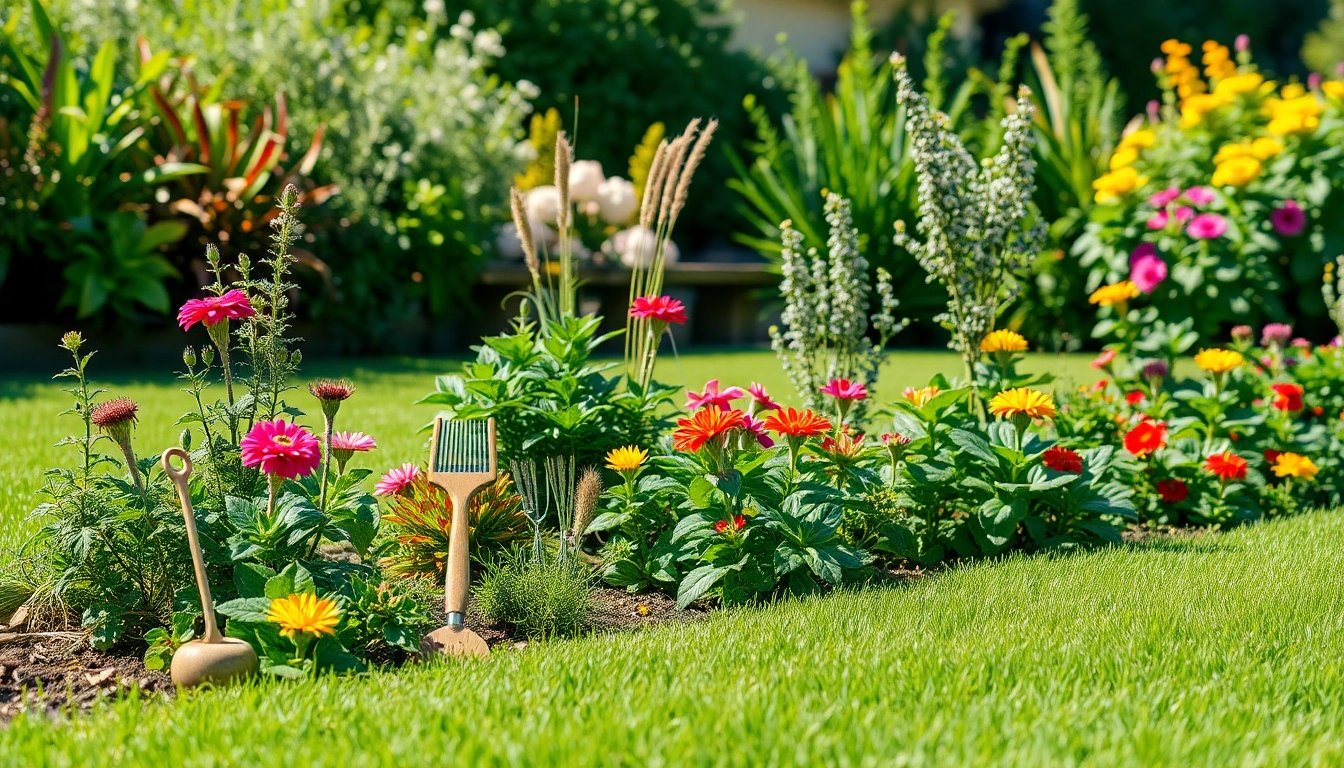
Understanding Organic Pest Control Option
What is Organic Pest Control?
Organic pest control refers to the use of natural and non-toxic methods to manage pests in a way that prioritizes the health of the environment, humans, and pets. Unlike conventional pest control, which often relies on synthetic chemicals and pesticides, organic pest control focuses on sustainable practices that avoid harmful substances. By using natural predators, biological techniques, and plant-based products, households can effectively combat pest issues without compromising safety. The organic pest control option is an increasingly popular method, driven by a growing concern for personal health and ecological well-being.
Importance of Eco-Friendly Practices
The significance of adopting eco-friendly pest control practices cannot be overstated. With increasing pollution levels and environmental degradation, opting for organic solutions provides a critical avenue to protect our planet. Eco-friendly pest control not only minimizes environmental harm but also fosters biodiversity. By utilizing methods that enhance the natural ecosystem, such as encouraging beneficial insects and promoting healthy soil, we can establish a balance that deters pests while supporting the life cycles of various organisms.
How Organic Pest Control Works
Organic pest control works through a multi-faceted approach to managing pest populations while reducing reliance on harmful chemicals. This involves understanding the life cycles of pests and their natural predators. By implementing strategies such as crop rotation, companion planting, and the use of organic repellents, homeowners can disrupt pest breeding patterns and reduce invasions. Biological controls, including the introduction of beneficial insects like ladybugs and nematodes, target pests without collateral damage to the surrounding environment. Moreover, organic pest control relies heavily on monitoring techniques to identify the presence and extent of pest issues, allowing for more targeted and effective interventions.
Benefits of the Organic Pest Control Option
Health Advantages for Families and Pets
One of the primary advantages of choosing an organic pest control option lies in its health benefits for families and pets. Conventional pest control products are often laden with toxic chemicals that can lead to adverse health effects ranging from allergies and respiratory problems to more severe conditions like poisoning. Organic methods eliminate or significantly reduce the risks associated with these chemicals, creating a safer environment indoors and out. Families with children and pets can rest assured that their health is protected when choosing non-toxic solutions.
Environmental Impact Comparison
When comparing the environmental impact of organic and conventional pest control, the differences are stark. Organic methods tend to have a much lower ecological footprint. They promote the health of soil and water systems and protect beneficial insects and wildlife. In contrast, many synthetic pesticides can lead to water contamination and harm non-target species. The adoption of organic pest control contributes to sustainable land use practices, preserving ecological integrity and leaving a better planet for future generations.
Cost Efficiency Over Time
While the initial investment in organic pest control may seem higher than standard pesticide applications, over time, it can prove to be more cost-effective. Organic methods often lead to healthier plants and ecosystems, decreasing the likelihood of pest problems in the future. By fostering a balanced ecosystem, properties become more resilient to infestations. Additionally, families may save on healthcare costs associated with the impacts of chemical exposure. Ultimately, the long-term savings associated with healthier living environments make the organic pest control option a wise financial decision.
Common Organic Pest Control Methods
Biodiversity and Natural Predators
Promoting biodiversity within gardens and yards can significantly reduce pest populations. This includes planting a variety of species that attract beneficial insects, such as predatory wasps and beetles, which feed on harmful pests. Incorporating native plants can also enhance local biodiversity and create habitats for advantageous organisms. By creating a balanced ecosystem, gardeners can effectively harness nature’s defenses against pests, minimizing the need for direct interventions.
Plant-Based Solutions and Repellents
Plant-based solutions such as neem oil, diatomaceous earth, and insecticidal soaps are widely used in organic pest control. Neem oil, derived from the seeds of the neem tree, disrupts the life cycle of pests while being harmless to beneficial insects when applied correctly. Diatomaceous earth acts as a physical barrier, causing dehydration in insects. Utilizing these natural products helps to manage pest populations while maintaining environmental safety and plant health.
Homemade Remedies and Effective Techniques
Many effective homemade remedies exist for pest management, using common household items. For example, soap and water mixtures can suffocate soft-bodied insects, while garlic and chili pepper sprays can deter a variety of pests. Crafting such remedies empowers individuals to take charge of pest management without relying on commercial products, and they are often more cost-effective and less harmful to the environment.
Implementing an Organic Pest Control Option at Home
Assessing Your Home’s Pest Situation
The first step in implementing an organic pest control option is to assess the existing pest situation. This involves identifying the types of pests present, their population levels, and the potential sources of infestation. Homeowners can perform regular inspections of indoor and outdoor spaces, checking for signs such as droppings, damage to plants, and nests. Keeping a pest diary can help track trends and make informed decisions on appropriate responses.
Choosing the Right Organic Methods
Choosing the right organic methods involves evaluating the specific pest problem at hand and determining the most suitable organic solutions. Factors such as the nature of the pest, the environment, and the health of the plants will play a significant role in the decision-making process. Homeowners should consider a combination of methods, as a diversified approach often yields the best results. Consulting with local agricultural extensions or organic pest control specialists can also provide valuable insights into the best practices tailored for specific regions.
Monitoring and Adjusting Your Approach
Organic pest control is not a one-time fix but rather an ongoing process. Regular monitoring is essential to assess the effectiveness of implemented strategies. Homeowners should be prepared to adjust their approaches based on pest observations and environmental changes. By remaining vigilant, individuals can mitigate pest populations effectively and sustainably while minimizing any negative impacts on their surroundings.
Frequently Asked Questions about Organic Pest Control Option
Is organic pest control safe for children and pets?
Yes, organic pest control options are generally safe for children and pets since they avoid toxic chemicals. However, it’s essential to ensure that specific natural remedies are pet-safe and follow application instructions.
How effective is the organic pest control option?
The effectiveness of organic pest control can vary based on the methods used and the type of pests. While it may not be as immediate as chemical solutions, with patience and persistence, it can successfully manage pests sustainably.
Can I use organic pest control on food crops?
Absolutely! Many organic pest control methods are safe for food crops. Always ensure any treatments used are approved for agricultural use to maintain compliance with organic gardening standards.
What are common misconceptions about organic pest control?
A common misconception is that organic pest control is ineffective or slow. In reality, with proper implementation and monitoring, it can be highly effective. It’s a different approach, focusing on prevention and natural balance.
How do I transition to organic pest control from chemical methods?
Transitioning involves gradually reducing chemical use and introducing organic methods. Start with less severe infestations, implement integrated pest management techniques, and educate yourself on organic solutions that could replace your current methods.