
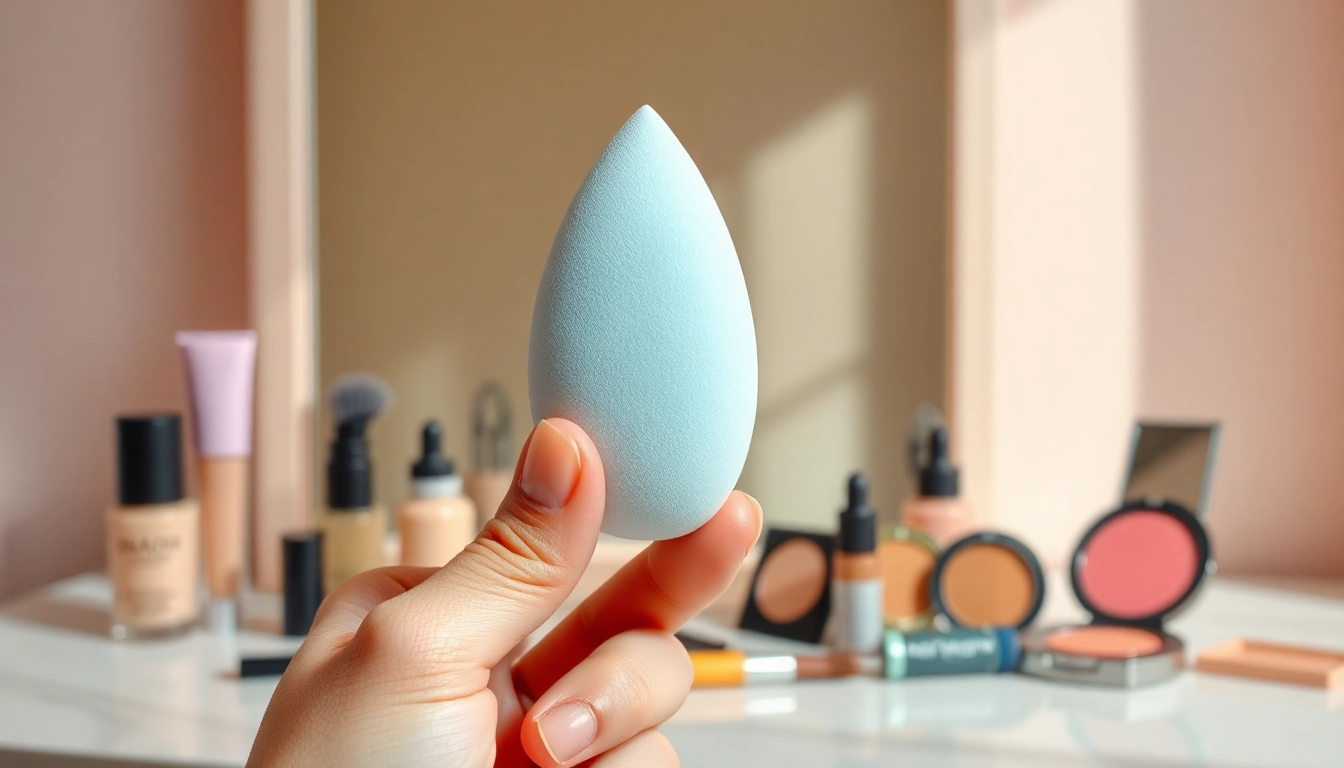
Understanding Silicone Sponge Makeup
What is Silicone Sponge Makeup?
Silicone sponge makeup is a revolutionary tool designed for the application of various cosmetic products, such as foundation, concealer, and cream blushes. Unlike traditional sponges made from porous materials, silicone sponges are smooth, non-absorbent, and provide a unique experience when it comes to makeup application. The innovative design allows for a seamless application on the skin, ensuring an even and flawless finish. As the beauty industry continues to evolve, silicone sponge makeup has gained significant popularity among makeup enthusiasts and professionals alike.
Benefits of Using Silicone Sponge Makeup
The use of silicone sponge makeup comes with a plethora of benefits, making it an attractive option for makeup lovers. Below are some of the primary advantages:
- Minimal Product Absorption: Unlike traditional sponges that soak up excess product, silicone sponges ensure that more makeup sits on your skin rather than being absorbed into the tool. This efficiency not only provides better coverage but also helps reduce product waste.
- Hygienic and Easy to Clean: Silicone sponges are non-porous and resistant to bacteria, making them a more hygienic choice compared to conventional sponges. Cleaning them is straightforward, requiring just soap and water.
- Durability: Silicone sponges are designed to withstand wear and tear more effectively, offering a long-lasting solution that can be used multiple times without losing their shape or effectiveness.
- Seamless Application: Many users find that using silicone helps them achieve smoother and more even makeup applications. The surface of the sponge allows for blending that mimics the skin’s texture.
How Silicone Sponge Makeup Differs from Traditional Tools
When comparing silicone sponge makeup to traditional tools, several key differences emerge. Traditional makeup sponges and brushes often absorb needed products, leading to waste and uneven application. In contrast, a silicone sponge allows for a more controlled application, serving to evenly distribute foundation and other products without unnecessary absorption. Furthermore, the ease of cleaning silicone options minimizes the risks of bacteria buildup, a common concern with makeup sponges.
How to Use Silicone Sponge Makeup Effectively
Step-by-Step Guide to Application
Applying makeup with a silicone sponge is a straightforward process. Follow these steps for optimal results:
- Prep Your Skin: Begin with a clean, moisturized face. Apply a primer to create a smooth surface for your makeup.
- Dispense Product: Squeeze a small amount of foundation or other cosmetic product onto the silicone sponge or directly onto your skin.
- Dab and Blend: Gently dab the silicone sponge onto your skin. Start in the center of your face and blend outwards. Use a slight rolling motion for best results.
- Layer as Needed: If you prefer more coverage, you can easily layer additional makeup without fear of the sponge absorbing too much product.
- Finish with Other Products: Once the foundation is set, use the sponge for applying concealer, cream blush, or setting powder.
Mixing Different Makeup Products
Silicone sponges are incredibly versatile and can be used for layering different types of makeup. For instance, mixing foundation with liquid highlighters or tinted moisturizers can create a radiant finish. Use a separate section of the sponge for each type if you’re concerned about mixing colors directly. This approach allows you to achieve a customized look while maximizing product usage.
Common Mistakes to Avoid
While using silicone sponge makeup offers a plethora of benefits, there are mistakes to watch for:
- Overloading the Sponge: Applying too much product at once can lead to a less blended look. Start with a small amount to ensure even coverage.
- Neglecting to Clean: Skipping cleaning steps can result in buildup, which may affect makeup application and skin health.
- Using the Wrong Product: Some products may still perform better with traditional tools. Always test and assess how different formulas interact with the sponge.
Maintenance and Care for Silicone Sponges
Cleaning Techniques for Longevity
Proper cleaning is vital for maintaining the integrity and hygiene of silicone sponges. Follow these steps to keep your sponges in optimal condition:
- Rinse: Rinse the sponge under warm water to remove excess makeup after each use.
- Soap Up: Use a gentle, non-abrasive soap or brush cleaner to lather the sponge. Avoid strong chemicals that might degrade silicone.
- Rinse Thoroughly: Ensure that all soap is rinsed off. Leftover soap can interfere with product application.
- Air Dry: Place the sponge in a clean, dry area to air dry completely before reusing it.
Storing Your Silicone Sponge Makeup
Storage is just as important as cleaning. Store your silicone sponge makeup in a clean, breathable container or pounch that allows for airflow. Avoid plastic bags that trap moisture and bacteria. Keeping the sponge in a designated area can prevent damage and help you easily find it during your makeup routine.
Signs It’s Time to Replace Your Sponge
Even the most durable silicone sponges eventually need replacement. Look for these signs:
- Visible Damage: Check for tears or deformities that might prevent even application.
- Persistent Odors: A lingering smell despite thorough cleaning could indicate bacterial growth.
- Difficulty in Cleaning: If you find yourself unable to keep the sponge clean, it may be time for a replacement.
Comparative Analysis of Makeup Tools
Silicone Sponge vs. Regular Beauty Blender
When comparing silicone sponges to regular beauty blenders, several differences emerge in texture, application, and effectiveness. Beauty blenders offer a softer, porous experience, while silicone sponges provide a more controlled, minimal-absorption method. Each has its unique advantages, depending on the desired makeup finish.
When to Use Brushes vs. Silicone Sponges
Makeup brushes are ideal for precision work, such as contouring and highlighting, where detail is key. Silicone sponges excel in providing an even foundation application. It’s essential to understand that the choice between brushes and silicone sponges often depends on the specific product and personal preferences for application texture.
User Preferences: Personal Experiences with Tools
User preferences often guide the choice of application tools. Many users find satisfaction in balancing silicone sponges and traditional tools. Factors such as skin type, desired finish, and comfort level with specific products can influence preferences. Gathering insights from makeup forums and reviews can help in selecting the right tool for individual needs.
Frequently Asked Questions
Can silicone sponges be used with cream products?
Yes, silicone sponges work effectively with cream foundations, providing even coverage. They’re great for blending cream blushes and highlighters as well.
How do I clean my silicone sponge makeup?
Use mild soap and warm water, rinse thoroughly, and air dry to keep it hygienic. Regular cleaning ensures longevity and maintains application quality.
Are silicone sponges suitable for sensitive skin?
Yes, silicone sponges are generally hypoallergenic and ideal for sensitive skin, reducing the risk of irritation that can occur with traditional sponges.
How does silicone sponge makeup reduce product waste?
Silicone sponges absorb minimal product, allowing more to stay on the skin during application, thereby reducing waste and promoting a more cost-effective beauty routine.
What types of makeup can I use with a silicone sponge?
Silicone sponges are versatile, suitable for foundation, creams, liquids, and even lotions, making them a multitasking tool in your makeup arsenal.