
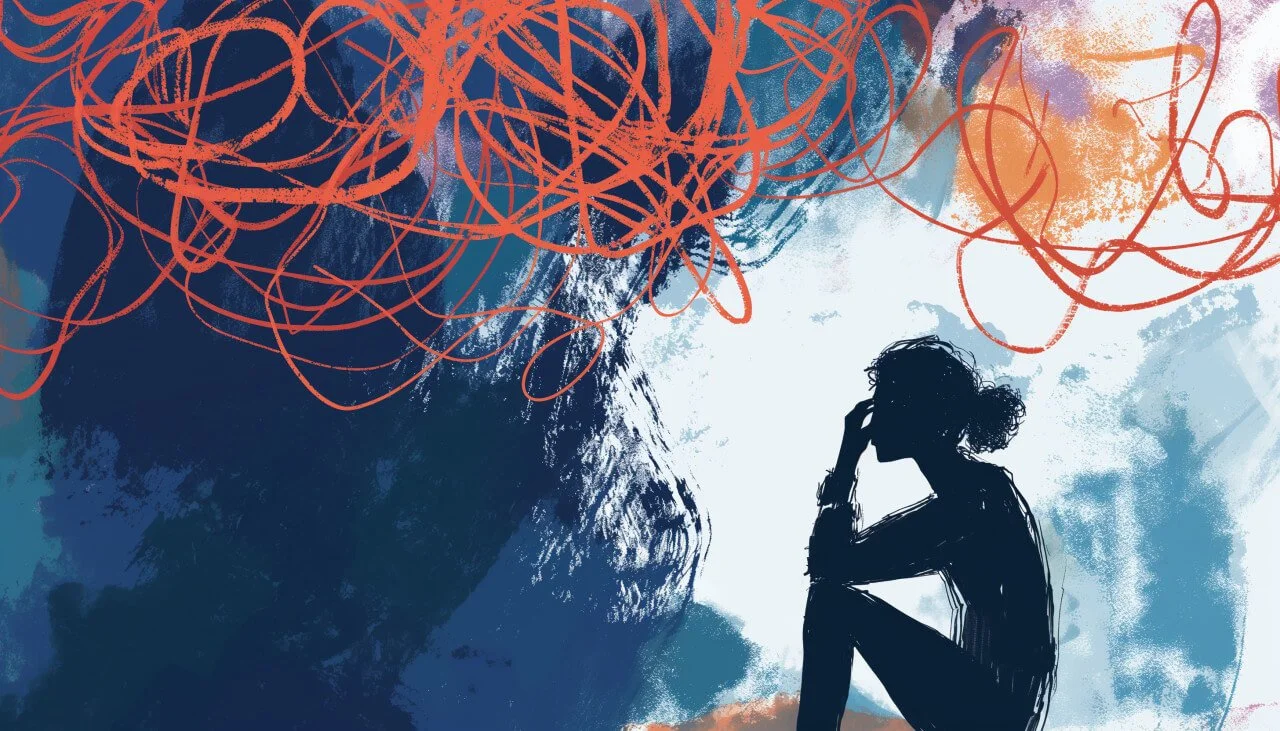
Anxiety is a natural human emotion that everyone experiences at some point. It can be helpful in situations where quick thinking and alertness are needed, such as preparing for a test or avoiding danger. However, when anxiety becomes persistent, overwhelming, or starts interfering with daily life, it may signal an anxiety disorder. Recognizing Anxiety symptoms early is essential for managing them effectively and maintaining emotional and physical well-being. This beginner’s guide will help you understand common signs, real-life examples, and strategies to cope.
Understanding Anxiety
Anxiety is more than just feeling worried or stressed. It is a response to perceived threats or pressures and can affect both the mind and the body. Physiologically, anxiety triggers the “fight or flight” response, releasing stress hormones like adrenaline and cortisol. While this reaction can be protective, constant activation may lead to chronic anxiety with serious consequences for mental and physical health.
Types of Anxiety Disorders
It is important to note that anxiety can appear in different forms:
- Generalized Anxiety Disorder (GAD): Persistent, excessive worry about daily life events.
- Panic Disorder: Sudden and intense episodes of fear with physical symptoms.
- Social Anxiety Disorder: Fear of being judged or embarrassed in social situations.
- Specific Phobias: Anxiety triggered by specific objects or situations, such as heights or spiders.
- Separation Anxiety: Excessive fear of being away from loved ones, common in children but can affect adults.
Common Anxiety Symptoms to Watch For
Recognizing anxiety symptoms early can help individuals seek support before the condition escalates. Symptoms generally fall into three categories: physical, emotional, and behavioral.
Physical Anxiety Symptoms
Anxiety often manifests physically, making the body feel tense and uncomfortable. Common physical signs include:
- Rapid heartbeat or palpitations
- Shortness of breath or difficulty breathing
- Muscle tension, especially in the shoulders, neck, or jaw
- Headaches or migraines
- Sweating, trembling, or shaking
- Stomach issues, such as nausea, diarrhea, or indigestion
- Feeling dizzy or lightheaded
Real-life example: A student might feel their heart racing and palms sweating before an important presentation, even though there is no real danger.
Emotional Anxiety Symptoms
Emotions are strongly affected by anxiety. People experiencing anxiety may notice:
- Constant worry or fear, even about minor things
- Irritability or frustration with others
- Feeling overwhelmed or unable to cope with daily tasks
- Difficulty concentrating or making decisions
- Persistent negative thoughts or rumination
Analogy: Emotional anxiety is like a radio stuck on a worrying station, constantly replaying negative messages that make it hard to focus on anything else.
Behavioral Anxiety Symptoms
Anxiety can also influence how someone behaves. Common behavioral signs include:
- Avoiding situations that trigger anxiety, such as social events or public speaking
- Procrastination or difficulty completing tasks
- Compulsive behaviors or repetitive actions to reduce anxiety, like checking or cleaning
- Changes in sleep patterns, such as insomnia or restless sleep
Case study: A teenager may avoid joining a school club because they fear being judged, leading to social isolation and increasing feelings of anxiety.

Early Recognition: Why It Matters
Recognizing anxiety symptoms early can prevent the condition from becoming more severe. Early intervention often includes lifestyle changes, therapy, and sometimes medication. Being aware of your body’s signals and emotional state allows you to take action before anxiety interferes with relationships, school, work, or daily functioning.
Self-Assessment Tips
To identify early signs of anxiety:
- Track your symptoms: Keep a daily journal of physical sensations, moods, and behaviors.
- Notice triggers: Pay attention to situations or thoughts that make you feel anxious.
- Observe changes over time: Increased worry, irritability, or physical discomfort can signal anxiety.
- Ask for feedback: Trusted friends or family members may notice changes you overlook.
Causes and Risk Factors
Anxiety does not occur randomly. Several factors can contribute to the development of anxiety symptoms:
- Genetics: Family history of anxiety or other mental health conditions increases risk.
- Brain chemistry: Imbalances in neurotransmitters, such as serotonin and dopamine, affect mood regulation.
- Life experiences: Trauma, abuse, or significant life changes can trigger anxiety.
- Personality traits: Individuals who are perfectionists or highly sensitive may be more prone to anxiety.
- Chronic stress: Ongoing stress from work, school, or relationships can lead to persistent anxiety symptoms.
Coping Strategies for Beginners
Understanding anxiety symptoms is just the first step. Developing coping strategies can improve emotional resilience and reduce the impact of anxiety on daily life.
Lifestyle Approaches
- Regular exercise: Physical activity reduces stress hormones and improves mood.
- Balanced diet: Nutrient-rich foods support brain function and emotional health.
- Sleep hygiene: Establishing a consistent sleep schedule can prevent fatigue and emotional instability.
- Mindfulness and meditation: Practices like deep breathing and guided meditation reduce anxiety symptoms.
Cognitive Strategies
- Challenge negative thoughts: Ask yourself if worries are realistic or exaggerated.
- Problem-solving: Break tasks into manageable steps instead of feeling overwhelmed.
- Positive self-talk: Replace self-critical thoughts with encouraging statements.
Professional Support
- Therapy: Cognitive-behavioral therapy (CBT) is particularly effective for anxiety disorders.
- Support groups: Sharing experiences with others can reduce feelings of isolation.
- Medication: In some cases, healthcare providers may prescribe medication to manage severe anxiety.
Real-Life Examples of Early Recognition
- Workplace Stress: John, a young professional, noticed tension in his shoulders, frequent headaches, and irritability when assigned new tasks. By recognizing these as early anxiety symptoms, he sought support and incorporated mindfulness techniques, reducing stress significantly.
- School Pressure: Emma, a high school student, experienced racing thoughts and insomnia before exams. Journaling and speaking to a school counselor helped her manage anxiety effectively.
- Social Situations: Ahmed felt persistent nervousness before social events, leading to avoidance. Awareness of his symptoms prompted him to practice exposure gradually, improving confidence and reducing anxiety.
Long-Term Benefits of Early Recognition
Identifying anxiety symptoms early allows individuals to:
- Maintain better emotional and physical health
- Improve productivity and focus
- Strengthen relationships with family and friends
- Reduce the risk of developing chronic anxiety disorders
Conclusion
Recognizing anxiety symptoms is essential for maintaining emotional well-being and preventing long-term complications. By understanding physical, emotional, and behavioral signs, individuals can take proactive steps to manage anxiety. Simple lifestyle changes, mindfulness practices, professional support, and early intervention can significantly improve quality of life. Calm Minds Hub emphasizes awareness, education, and compassionate support to help you navigate anxiety safely and effectively. Explore featured stories and top recommendations on the main page.
FAQs
What are the first signs of anxiety?
Early signs of anxiety often include persistent worry, irritability, trouble concentrating, muscle tension, and changes in sleep patterns. Recognizing these early can help prevent more severe symptoms.
How can I tell if my anxiety is normal or needs professional help?
Normal worry is temporary and situational, while anxiety disorders are persistent, intense, and interfere with daily life. If symptoms affect relationships, work, or school, seeking professional help is recommended.
Can lifestyle changes really reduce anxiety symptoms?
Yes, lifestyle changes such as regular exercise, healthy eating, consistent sleep, and mindfulness practices can significantly reduce anxiety symptoms. Combining these with professional support can provide the best results.