Understanding Wall Paneling: A Comprehensive Guide
Wall paneling is a versatile interior design element that has gained notable popularity for its ability to transform spaces, adding both beauty and functionality. By integrating wall paneling into your home, you can enhance aesthetics while providing various practical benefits.
What is Wall Paneling?
Wall paneling refers to the application of decorative panels to interior walls. These panels can be crafted from various materials, including wood, MDF, or vinyl, and serve both aesthetic and practical purposes. Available in an array of colors, textures, and styles, wall paneling can create everything from a contemporary look to a traditional charm. Whether it is used for entire walls or as accent pieces, wall paneling can influence the ambiance of any room.
The History and Evolution of Wall Paneling
Historically, wall paneling dates back to the Middle Ages when wooden panels were used to insulate buildings. These initial panels not only added warmth but also showcased craftsmanship through intricate carvings. As time progressed, wall paneling evolved, reflecting changing design trends and technologies. In the 19th century, ornate Victorian styles emerged, followed by the minimalist aesthetics of the mid-20th century. Today, wall paneling continues to innovate, blending traditional materials with modern techniques and eco-friendly options.
Types of Wall Paneling: Which One Fits Your Style?
There are several types of wall paneling options available, each offering unique characteristics and appeal.
- Wood Paneling: Timeless and classic, wood paneling adds a warm and inviting atmosphere to rooms. Choices range from oak and pine to reclaimed wood for a rustic touch.
- Vinyl Paneling: Durable and moisture-resistant, vinyl paneling is ideal for areas prone to humidity, like kitchens and bathrooms. It's available in various finishes that mimic natural materials.
- MDF Paneling: Medium Density Fiberboard is a cost-effective alternative to solid wood. It provides a smooth surface ideal for painting and can replicate the look of more expensive materials.
- Fiber Cement Paneling: Known for its longevity and resistance to weather, fiber cement is suitable for both interior and exterior wall applications.
- 3D Wall Panels: Offering depth and texture, 3D panels provide dramatic effects and can serve as statement pieces in contemporary homes.
Benefits of Wall Paneling in Interior Design
Sound Insulation and Aesthetic Appeal
One of the significant benefits of wall paneling is its ability to enhance sound insulation. By adding an extra layer to walls, paneling can reduce noise transmission between rooms, creating a more peaceful environment. From busy urban settings to family homes, the sound-dampening qualities of paneling create enhanced comfort. Aesthetic appeal is equally crucial; wall paneling can bring sophistication, texture, and visual interest to walls that might otherwise appear flat and uninspired.
Maintenance and Durability Insights
When it comes to maintenance, wall paneling stands out as a practical choice. Many modern materials are designed for easy cleaning and long-term durability. For example, vinyl paneling can be wiped down effortlessly without the fear of damaging the surface. Wooden panels, while requiring periodic sealing or staining to maintain their finish, offer longevity when properly cared for. Understanding the material and care requirements will help in maintaining the beauty of your wall paneling over time.
Improving Home Value Through Wall Paneling
Installing wall paneling can significantly enhance your home's value. Potential buyers are often attracted to properties featuring stylish and well-maintained interiors. Wall paneling can transform a seemingly ordinary room into an extraordinary space, making it more marketable. Moreover, high-quality paneling can create a sense of luxury and refinement, which can positively influence appraisals and buyer interest.
Choosing the Right Wall Paneling for Your Space
Criteria for Selecting Wall Paneling Materials
When selecting wall paneling, consider factors such as the intended room's purpose, moisture levels, and design style. For humid areas like bathrooms, moisture-resistant materials such as vinyl or fiber cement should be prioritized. In contrast, living rooms or bedrooms can benefit from the warmth and character of wooden paneling. Beyond function, the material should align with the overall aesthetic you're aiming for.
Color and Texture Considerations
Color and texture play pivotal roles in the visual impact of wall paneling. Light colors can brighten a space and make it feel larger, while dark tones create intimacy and warmth. Texture is equally significant; smooth finishes impart a modern touch, whereas rough-hewn surfaces provide rustic charm. Think about how different colors and textures will interplay with your existing decor, furniture, and lighting when making your decision.
Measuring and Planning for Wall Paneling Installation
Before installation, precise measurements are critical. Begin by measuring each wall's length and height to determine the quantity of materials required. Assess the room's layout, taking note of windows, doors, and outlets that may affect paneling placement. Planning the style and installation direction—horizontal vs. vertical—will also affect the room's perception of space. Sketching your layout can ensure clarity during the installation process.
Creative Wall Paneling Ideas for Different Rooms
Living Room Wall Paneling Inspirations
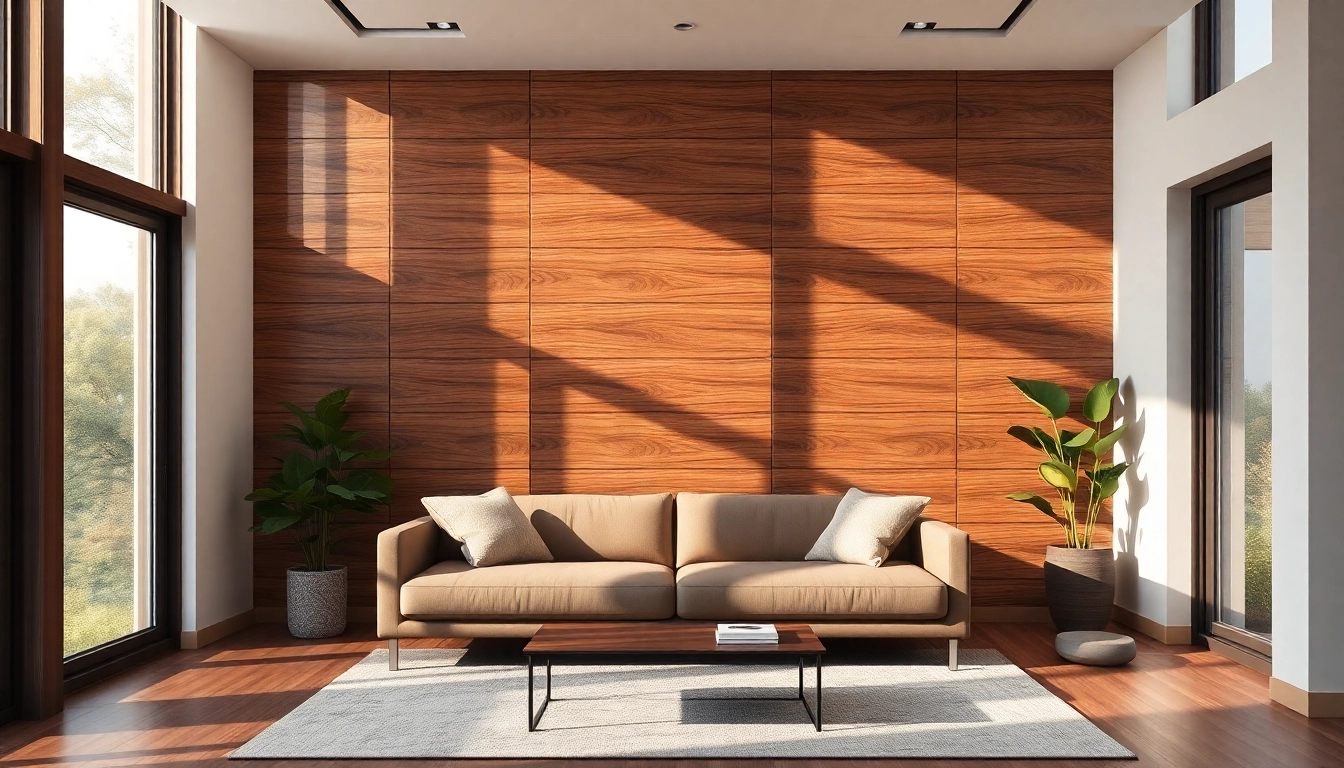
The living room is a focal point for social interaction, making it an ideal space for expressive wall paneling. Consider horizontal wooden slats for a contemporary twist, or go bold with geometric 3D panels to create visual drama. Accent walls behind furniture, such as sofas or entertainment centers, can anchor and define a space, lending depth and character.
Kitchen and Dining Area Paneling Tips
In kitchens and dining areas, wall paneling can be functional and decorative. Installing moisture-resistant vinyl paneling can protect walls from spills while providing an appealing backdrop. Shaker-style paneling works beautifully in traditional kitchens, adding a classic touch. Installing paneling at chair-rail height can create visual interest while maintaining practicality.
Bedroom Wall Paneling Designs for Comfort
In bedrooms, wall paneling can foster a soothing, inviting atmosphere. Soft colors and textured wood can create a cozy feeling, while upholstered paneling adds an element of luxury. Consider a headboard wall of paneling that wraps around bedside tables for a cohesive look, or opt for accent walls painted in serene hues to promote relaxation and tranquility.
FAQs About Wall Paneling
How do I maintain wall paneling?
Regular dusting and occasional cleaning with mild soap and water keeps wall paneling looking fresh. Avoid harsh chemicals that can damage the finish.
Can wall paneling be installed over wallpaper?
Generally, it's best to remove wallpaper before installing wall paneling for a smoother finish and better adhesion to the walls.
Is wall paneling suitable for small spaces?
Yes! Light-colored or mirrored paneling can make small rooms feel larger and more inviting by reflecting light and creating visual depth.
What materials are best for outdoor wall paneling?
Weather-resistant materials like vinyl or treated wood are ideal for outdoor wall paneling, as they withstand exposure to the elements effectively.
Is wall paneling easy to install?
Many wall paneling styles are designed for DIY installation, though hiring a professional can ensure a polished result and save time.