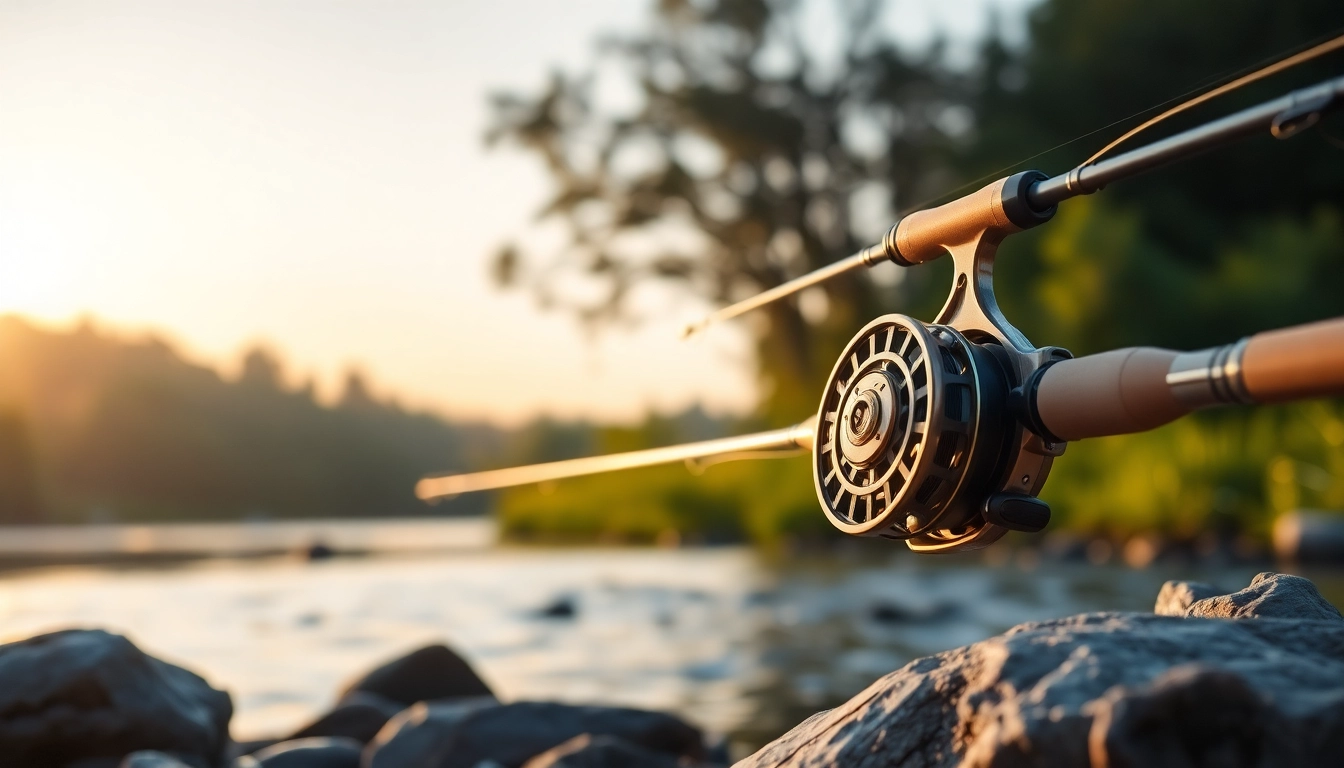
Understanding the Fly Fishing Combo Basics
Fly fishing is an art that marries technique with the thrill of catching fish. Before diving into the intricate details, it's essential to understand what a Fly fishing combo entails. A fly fishing combo typically consists of a rod and reel that are designed to work seamlessly together, providing an optimized setup for both beginners and seasoned anglers.
The Components of a Fly Fishing Combo
A proper fly fishing combo consists of several key components:
- Fly Rod: The backbone of your setup, typically ranging in length from 7 to 9 feet. The rod's action—fast, medium, or slow—determines its responsiveness and casting distance.
- Fly Reel: This holds the fly line and helps in controlling the fish once hooked. It comes with various drag systems that manage the line tension during a catch.
- Fly Line: Pre-spooled onto the reel, the fly line is heavier than regular fishing line to enable casting lightweight flies.
- Backing: This is essential for large fish. It’s a secondary line that provides extra capacity on the reel.
- Tippet Line: A thin line connecting the fly to the main line. It plays a crucial role in the presentation of the bait without spooking fish.
Why Choose a Combo Over Separate Gear?
Choosing a combo eliminates the guesswork involved in matching the respective rod and reel weights, action types, and sizes. It provides a perfectly balanced setup, making it easier for beginners to start fishing confidently. Furthermore, combos are generally more cost-effective, as they come as a complete package with necessary components included.
Popular Types of Fly Fishing Combos
Fly fishing combos come in various types tailored to different fishing styles and environments:
- Freshwater Combos: Designed for streams, rivers, and lakes, these setups typically range from 3wt to 6wt rods.
- Saltwater Combos: Built to withstand harsher conditions, these combos usually feature heavier lines and rods ranging from 8wt to 12wt.
- Travel Combos: Compact and often multi-piece, these combos are designed for ease of transport without sacrificing performance.
Choosing the Right Fly Fishing Combo for Your Needs
Skill Level Considerations
Understanding your skill level is crucial when choosing a fly fishing combo. Beginners may benefit from a straightforward combo that includes all essential components, while more experienced anglers might prefer specific features that cater to their preferred fishing environments and techniques. It’s advisable to consult with experienced anglers or retailers to select the best combo for your needs.
Target Species and Environment
Selecting your fly fishing combo should also align with the type of fish you aim to catch. Trout, bass, and panfish require different approaches:
- Trout: A 5wt or 6wt combo is typically recommended for freshwater trout fishing.
- Bass: An 8wt combo may be more effective when targeting larger freshwater species.
- Saltwater Species: For larger species like tarpon or bonefish, a robust 10wt to 12wt combo is recommended.
Budget-Friendly Options
Fly fishing does not have to be an expensive pastime. Several budget-friendly combos deliver excellent performance for novice anglers. When evaluating options, prioritize durability and quality over lower cost, ensuring you invest in equipment that will last. Look for brands that offer warranty and return policies to help protect your purchase.
Features to Look for in a High-Quality Fly Fishing Combo
Material and Build Quality
The materials used in a fly fishing combo significantly affect its performance. High-quality rods are often made from graphite or fiberglass, which provide durability and sensitivity. The reel should be made from corrosion-resistant materials, especially if used in saltwater, to ensure longevity and reliability.
Rod Action and Length
Rod action describes how much of the rod bends when pressure is applied. Fast action rods bend near the tip, offering quick responsiveness for precise casts and improved hook sets, ideal for moving waters. Conversely, slow action rods bend throughout their length, delivering better flexibility and control, which can be advantageous in calm conditions.
Reel Specifications and Gear Ratio
A reel's gear ratio affects how quickly you can retrieve line. A higher gear ratio allows faster line retrieval, which is particularly useful when battling swift fish. Look for reels with a reliable drag system that allows smooth tension adjustments without slipping.
Best Practices for Using Your Fly Fishing Combo
Setting Up Your Combo for Success
Proper setup is critical for maximizing your fishing experience. Ensure that the fly line is correctly spooled onto your reel. Follow these steps for optimizing your combo’s performance:
- Attach the backing to the reel, ensuring it is secure.
- Spool the fly line over it without unnecessary twists.
- Attach the tippet line and your fly.
Common Fly Casting Techniques
Mastering various casting techniques takes practice, but it significantly improves your chances of a successful catch. Learning the basic overhead cast, roll cast, and false cast will allow you to effectively present your fly to fish. Consider practicing in open areas to develop your comfort and proficiency before heading to the water.
Maintaining Your Equipment
Caring for your fly fishing combo will prolong its lifespan and improve performance. After each use, rinse the rod and reel under fresh water, especially after saltwater fishing. Regularly inspect for wear and Replace any damaged lines or components to maintain optimal functionality.
FAQs About Fly Fishing Combos
What is a fly fishing combo?
A fly fishing combo consists of a rod and reel combined for easy use, typically pre-spooled with line for convenience.
How do I choose the right weight for my fly fishing combo?
The weight should match the type of fish you're targeting: generally 5wt for trout and 8wt for bass. Choose according to your preferred species.
Are fly fishing combos suitable for beginners?
Yes, fly fishing combos are excellent for beginners as they provide a ready-to-use setup that simplifies the learning process.
What’s the difference between a fly fishing rod and a spinning rod?
Fly rods are designed specifically for casting lightweight flies using a technique that utilizes the weight of the line, while spinning rods are for heavier lures and bait.
How can I maintain my fly fishing combo?
Regularly clean your rod and reel, store them properly to avoid damage, and check for any signs of wear or deterioration after every use.