Understanding the Importance of Construction Safety Training
Construction sites are known for their dynamic environments where risks and hazards abound. These can lead to severe accidents if not managed properly. This makes construction safety training a critical component in protecting workers and ensuring workplace efficiency. This article delves into the necessity of such training, highlighting why it's essential, the crucial risks involved, and the regulatory frameworks guiding these training programs.
Why Construction Safety Training Matters
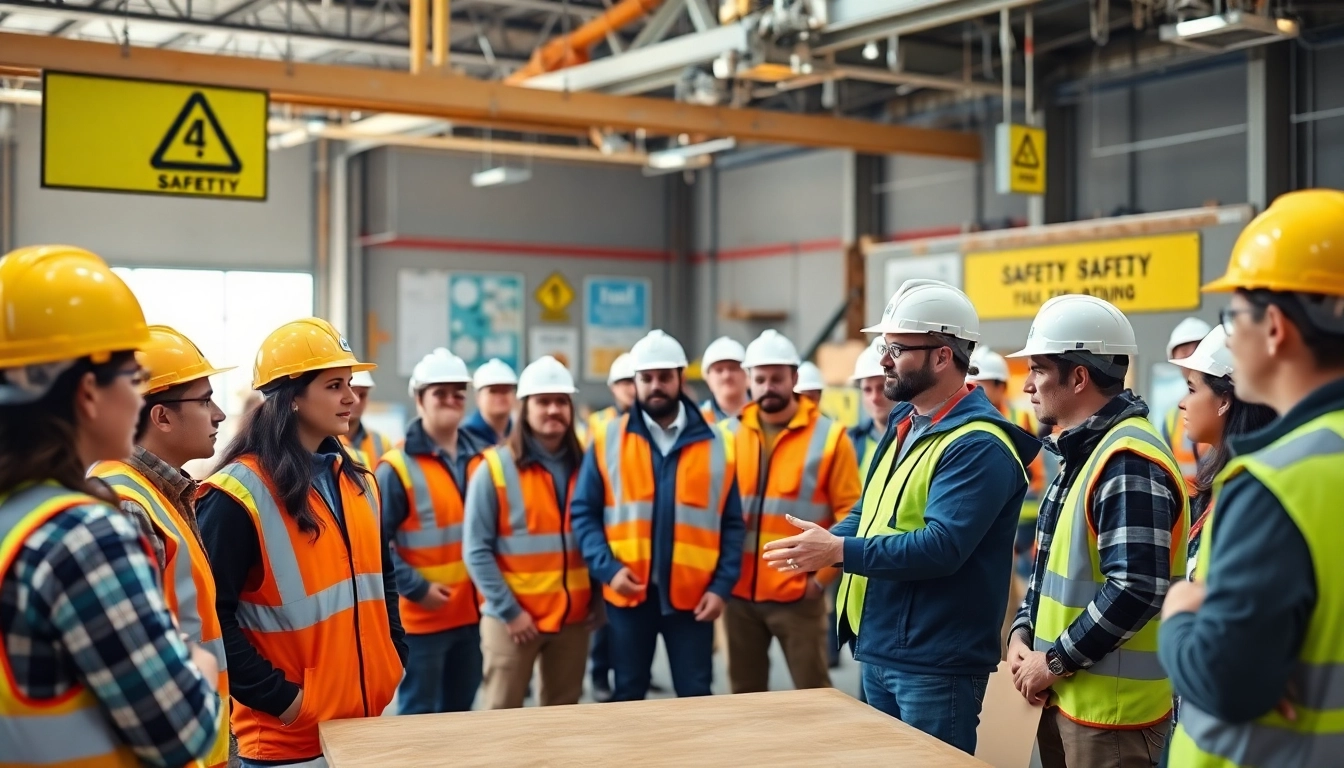
The significance of construction safety training can hardly be overstated. First and foremost, it cultivates a culture of safety within organizations. Workers equipped with proper training are better prepared to recognize hazards, adhere to safety protocols, and respond appropriately in emergencies. This proactive approach not only reduces the frequency of accidents but also mitigates potential liability for employers.
Common Risks in Construction Environments
Construction sites are fraught with risks ranging from falls, which consistently top the list of construction-related injuries, to accidents involving equipment, exposure to hazardous materials, electric shocks, and more. Understanding these risks is critical to tailoring an effective safety training program.
- Falls: Often caused by unprotected edges, scaffolding issues, or improper use of ladders.
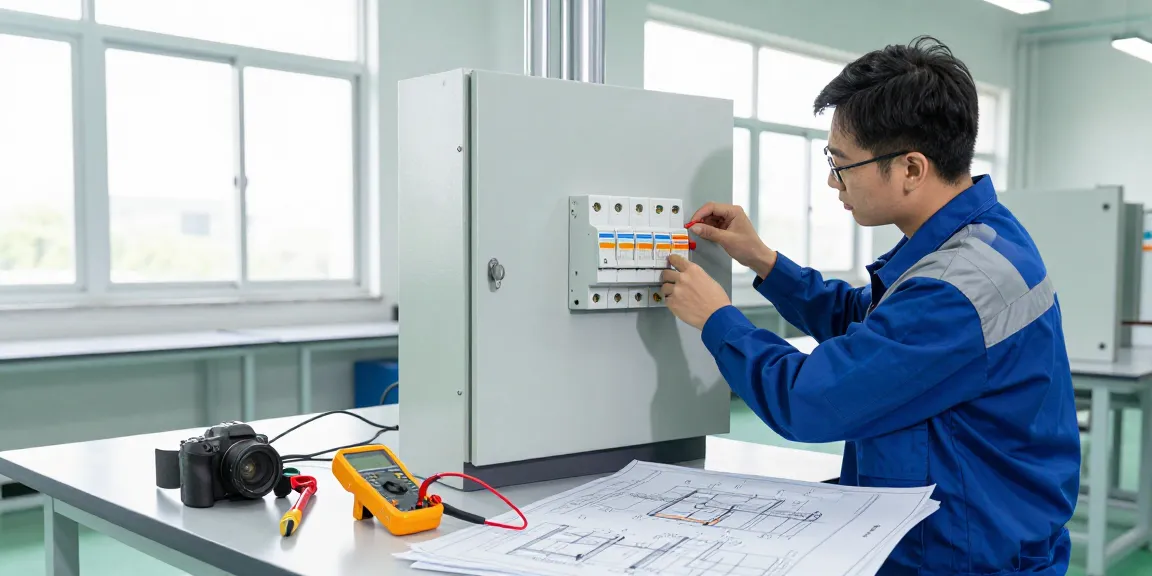
- Electrocutions: Resulting from contact with live wires or equipment.
- Struck-by incidents: Occurring when workers are hit by moving equipment or materials.
- Caught-in/between hazards: Where workers become trapped by collapsing materials or equipment.
Regulatory Requirements for Training Programs
Regulatory bodies, such as the Occupational Safety and Health Administration (OSHA) in the United States, mandate construction safety training programs to ensure compliance with safety protocols. Employers must not only provide training but document it thoroughly. Failure to comply can result in penalties, increased insurance costs, and, most importantly, unacceptable risks to worker safety.
Key Components of Effective Construction Safety Training
An effective construction safety training program comprises several essential components that equip employees with the necessary skills and knowledge to navigate risks safely.
Essential Safety Protocols to Cover
Every training program should cover basic safety protocols, including hazard identification, proper use of personal protective equipment (PPE), and emergency response plans. Additional training aspects should include:
- Safe machine operation procedures.
- Ergonomics to prevent musculoskeletal injuries.
- Understanding material safety data sheets (MSDS) for hazardous materials.
Innovative Training Techniques
With the evolution of technology, training methods have also diversified. Incorporating virtual reality (VR), simulations, and hands-on practical experiences can significantly enhance learning outcomes. These techniques not only improve retention but also prepare workers for real-life scenarios.
Evaluating Training Effectiveness
The success of any training program should be measured. This can be done through assessments, feedback surveys, and observing behavior changes on-site. Tracking incident reports and comparing rates of injuries before and after training sessions is crucial to assess improvements.
Implementing Construction Safety Training Programs
Successfully implementing a construction safety training program requires careful planning and execution. Below are steps to guide organizations in designing an effective curriculum.
Steps to Design a Training Curriculum
1. Identify the specific needs of your workforce and the types of risks present at your construction sites.
2. Develop course materials and select training methods that cater to diverse learning styles.
3. Include practical exercises and real-life scenarios to reinforce learning.
4. Regularly update the training curriculum to keep pace with industry changes and new technologies.
Choosing the Right Trainers and Resources
Selecting qualified trainers who possess not only knowledge but also practical experience is vital. Resource availability, such as training materials and equipment, should also be assured for effective learning.
Scheduling and Logistics for Training Sessions
To maximize participation and effectiveness, schedule training sessions at convenient times. Consider integrating shorter sessions more frequently rather than lengthy, infrequent ones, and utilize both on-site and off-site training methods to accommodate various teams.
Monitoring and Improving Training Outcomes
Continuous improvement is essential in any training program. Monitoring training outcomes allows organizations to identify areas for enhancement.
Performance Metrics to Track Success
Successful training programs will reflect improvements in key performance indicators such as decreased accident rates, reduced workers’ compensation claims, and enhanced employee engagement in safety practices. Establish a baseline before training and measure these metrics regularly thereafter.
Gathering Feedback from Trainees
Soliciting feedback from trainees is paramount for assessing the training's effectiveness. Use anonymous surveys to gather candid responses about the training quality, relevancy, and effectiveness. This data can provide invaluable insights for refining the training programs.
Adapting Training to Industry Changes
The construction industry is continually evolving. Factors such as new technologies, updated regulations, and emerging safety trends necessitate ongoing adaptations in training content and delivery methods. Stay informed on industry news to ensure your training programs remain relevant and effective.
Frequently Asked Questions about Construction Safety Training
What is the goal of construction safety training?
The goal is to reduce workplace injuries, enhance awareness, and ensure legal compliance regarding safety protocols.
How often should safety training occur?
Safety training should be conducted regularly, ideally quarterly or bi-annually, to keep knowledge current and enforce safety standards.
What topics should be covered in the training?
Key topics include hazard recognition, emergency procedures, personal protective equipment (PPE), and regulations compliance.
Are there online options for construction safety training?
Yes, many organizations offer comprehensive online training programs, making it easier for companies to train employees remotely.
How can training effectiveness be measured?
Effectiveness can be measured through assessments, observing on-site behavior changes, and tracking injury incident rates before and after training.