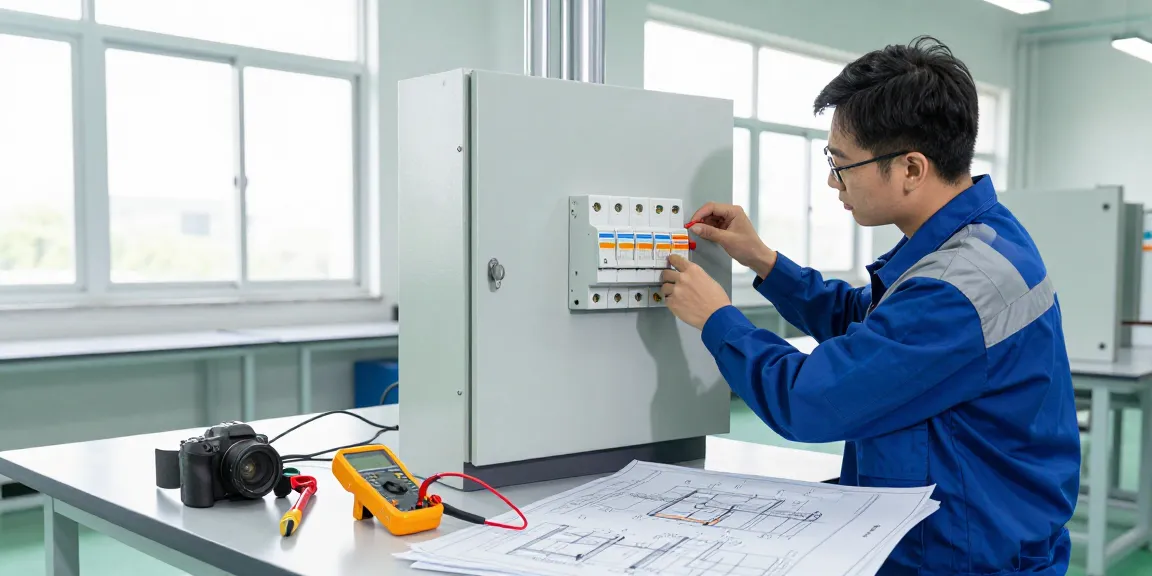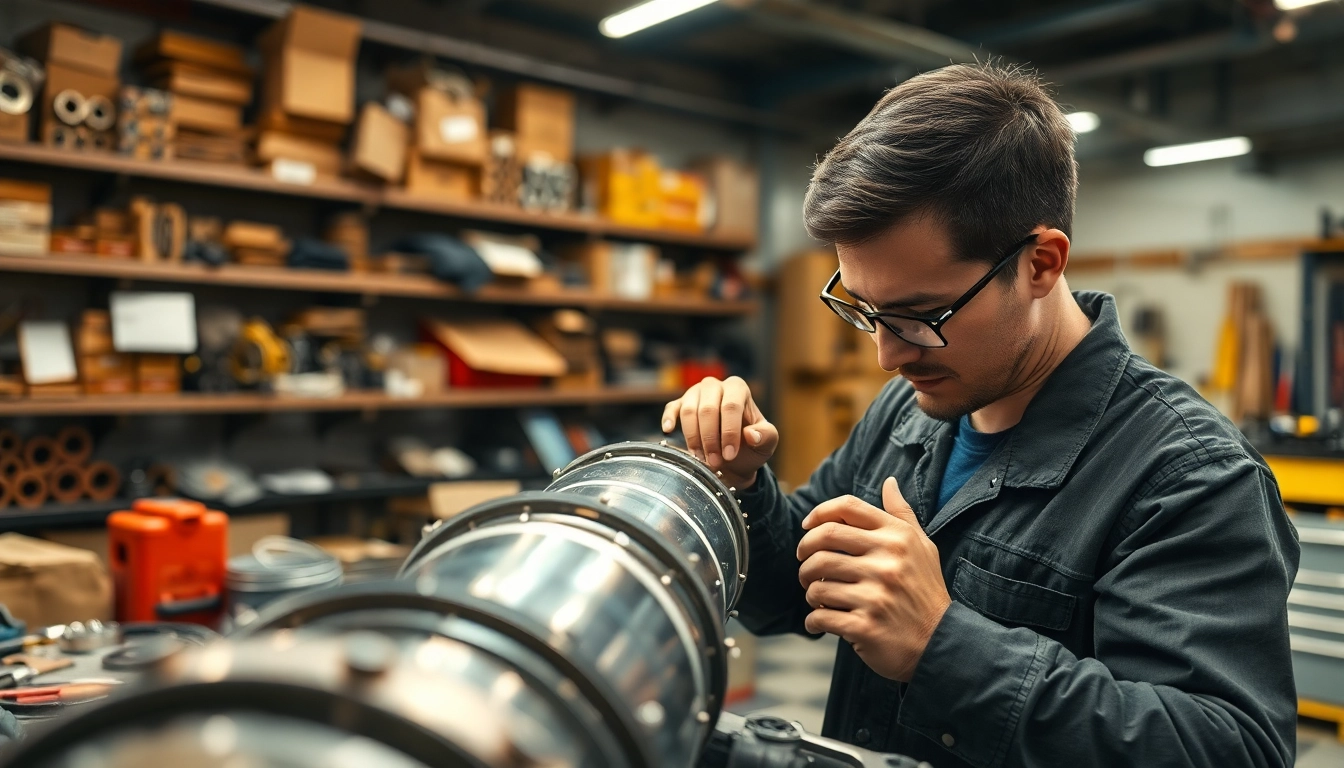
In the world of heavy machinery, hydraulic systems play a crucial role in providing the force needed for equipment operation. One key component of these systems is the hydraulic cylinder, which is essential for converting hydraulic energy into mechanical work. However, over time, these cylinders may experience wear and damage, making hydraulic cylinder repair an important skill to master for those working with heavy equipment.
This comprehensive guide will explore the nuances of hydraulic cylinder repair, covering everything from tools and techniques to best practices and maintenance. By the end, you’ll be equipped with the knowledge needed to effectively carry out repairs and ensure the longevity of your hydraulic systems. For more insight, you can refer to this hydraulic cylinder repair guide.
Understanding Hydraulic Cylinder Repair
What is Hydraulic Cylinder Repair?
Hydraulic cylinder repair involves restoring or replacing damaged components of hydraulic cylinders, which can be subject to stress and wear from regular use. The process typically includes identifying the source of a malfunction, disassembling the cylinder, replacing damaged seals and other parts, and reassembling it to ensure that it operates correctly. Repairing rather than replacing can save significant costs, especially in industrial settings.
Common Types of Hydraulic Cylinder Damage
Several types of damage can occur to hydraulic cylinders, including:
- Seals Wear and Tear: Seals are critical components that prevent hydraulic fluid from leaking. They degrade over time due to pressure, heat, and contamination.
- Piston Rod Damage: Rods can suffer from pitting or scratches that may affect performance. Surface finish and material quality are essential in preventing such damage.
- Cylinder Body Dents or Cracks: Physical damage can compromise the integrity of the cylinder body, leading to further complications if not addressed in time.
- Contaminated Fluid: Fluid contamination is often due to foreign particles, water, or air entering the system, leading to premature wear and damage.
Importance of Timely Repairs
Addressing hydraulic cylinder damage promptly is essential for maintaining equipment efficiency and safety. Ignoring repairs can lead to more severe damage, resulting in costly downtimes and potential safety hazards. Regular inspections and timely interventions help maintain optimal performance and extend the lifespan of hydraulic systems.
Tools and Materials for Hydraulic Cylinder Repair
Essential Tools for Effective Repairs
A variety of tools are necessary for successfully executing hydraulic cylinder repairs. Key tools include:
- Wrenches and Ratchets: For loosening and tightening bolts and nuts on hydraulic components.
- Seal Pullers: Essential for safely removing old seals from the cylinder.
- Piston Ring Compressors: Useful for installing new piston rings effectively.
- Cleaning Supplies: Solvents and brushes are vital for cleaning cylinder components before reassembly.
- Torque Wrench: To ensure that all fasteners are set to the manufacturer’s specifications.
Recommended Materials and Kits
When repairing hydraulic cylinders, having the right materials can drastically affect the effectiveness of the repair. Recommended items include:
- Replacement Seals and O-rings: Ensure they match the specifications of the original components.
- Hydraulic Oil: Fresh oil is necessary for operation and must be compatible with the system.
- Repair Kits: Complete kits containing seals, O-rings, and other essential parts can save time and ensure compatibility.
Sourcing Quality Parts for Repairs
Quality parts are crucial for successful hydraulic cylinder repairs. Sourcing should focus on reputable suppliers who provide standardized and certified parts. Always check compatibility with your specific hydraulic cylinder model and verify the quality of materials to ensure durability and performance.
Step-by-Step Hydraulic Cylinder Repair Process
Preparation and Safety Measures
Before starting any repair work, it’s vital to follow proper preparation steps and safety measures:
- Safety Gear: Wear gloves, safety glasses, and protective clothing to prevent injuries.
- Clean Workspace: Ensure your work area is clear of debris and well-lit to avoid accidents.
- Gather Tools and Parts: Assemble all necessary tools and replacement components to streamline the process.
Dismantling the Hydraulic Cylinder
Careful dismantling is crucial to avoid further damage:
- Drain Hydraulic Fluid: Thoroughly drain all fluid from the cylinder to prevent spills.
- Remove Cylinder: Disconnect hoses and remove the cylinder from the machinery.
- Open the Cylinder: Gently remove the end caps to access the inner workings.
- Inspect Components: Look for signs of wear or breaks on seals, rods, and the cylinder body.
Reassembly and Testing Procedures
After repairs, reassembly must be conducted with care:
- Install New Seals: Ensure they are properly positioned to prevent leaks.
- Reassemble Cylinder: Carefully put the cylinder back together, ensuring all components align correctly.
- Test Functionality: Before full operation, conduct a pressure test to check for leaks and performance.
Best Practices for Hydraulic Cylinder Maintenance
Regular Inspection Techniques
Implementing a routine inspection schedule for hydraulic cylinders can help identify potential issues early. Techniques for effective inspections include:
- Visual Checks: Examine for leaks, dents, or bends in the cylinder structure.
- Pressure Testing: Regularly test the cylinder’s pressure capability for any discrepancies.
- Lubrication Checks: Ensure that moving parts are adequately lubricated to prevent wear.
Sealing Solutions for Longevity
Utilizing high-quality seals can prevent leaks and extend the life of hydraulic cylinders. Choose seals made from durable materials that can withstand the operating environment and consider using dual sealing systems for added safety.
Environmental Factors Affecting Performance
Hydraulic systems can be significantly affected by environmental conditions. Factors such as temperature variations, exposure to moisture, and contamination from dirt or debris can lead to diminished performance. Protective measures such as using dust covers and ensuring a clean working environment are crucial for maintaining functionality.
FAQs About Hydraulic Cylinder Repair
Is hydraulic cylinder repair cost-effective?
Yes, it is often more cost-effective to repair hydraulic cylinders compared to replacing them. Repairs can extend the life of the cylinder and improve overall system performance.
What are signs indicating cylinder damage?
Common signs include leaking fluid, abnormal noises during operation, reduced performance, and visible damage to seals or the cylinder body.
Can anyone perform hydraulic cylinder repairs?
While it's possible for anyone with the right tools and knowledge to perform repairs, having technical expertise is recommended for safe and effective outcomes.
What common parts need replacing during repairs?
Commonly replaced parts include seals, O-rings, piston rods, and sometimes the cylinder body itself, depending on the level of damage.
How often should hydraulic cylinders be serviced?
Regular maintenance should occur at least once a year, or more frequently based on usage and operating conditions, to ensure optimal performance.