Understanding the Colonial Home Build Concept
The design of a colonial home build is steeped in history, boasting a unique architectural language that reflects cultural values and historical contexts. These homes typically evoke nostalgia while offering modern comforts, bridging the past with contemporary living. Understanding the fundamental aspects of colonial homes can enhance your building journey, allowing you to create a timeless residence that honors tradition yet meets today’s lifestyle needs.
History and Characteristics of Colonial Homes
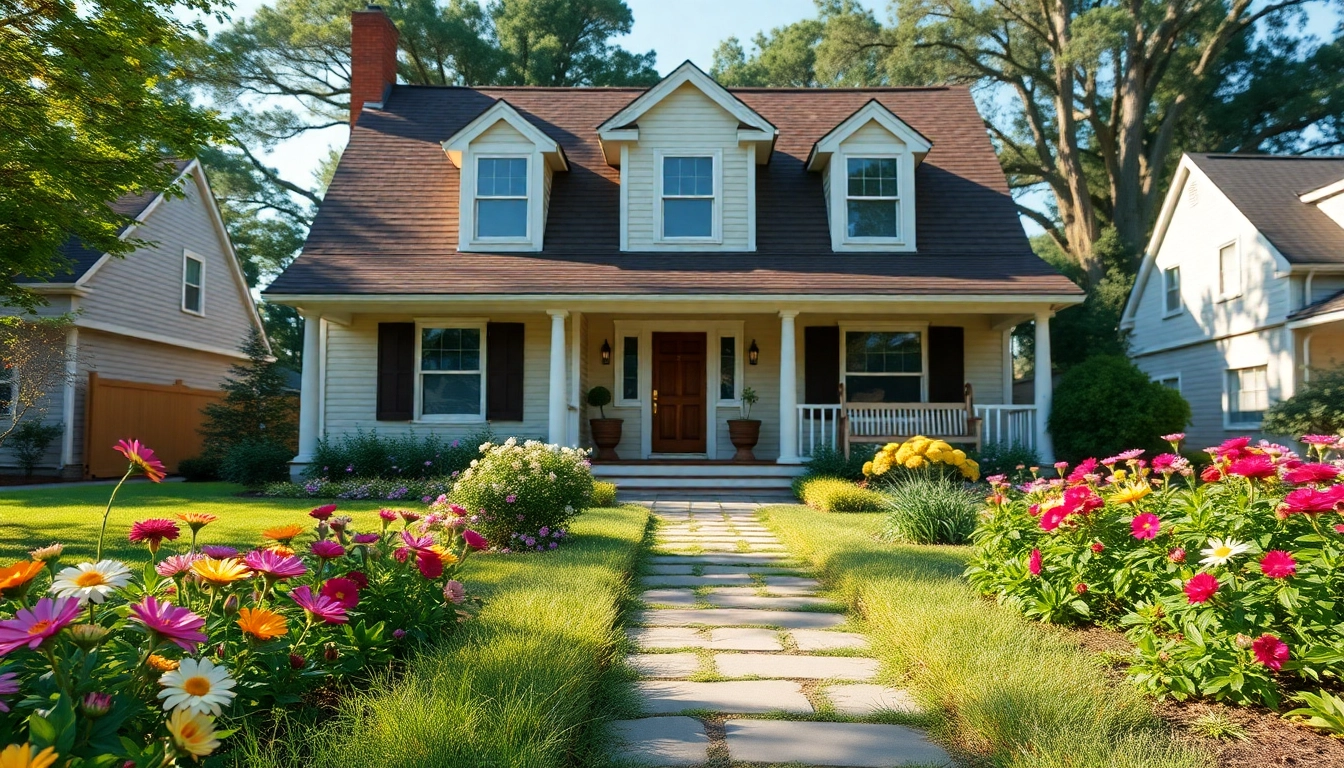
Colonial homes emerged during the period of European colonization in America, particularly from the 17th to the mid-19th century. These homes were heavily influenced by various European architectural styles, including Dutch, English, French, and Spanish. The defining characteristics of colonial architecture include symmetry, a central front door, evenly spaced windows, and gabled roofs. The materials used in these builds often reflect regional availability; for instance, brick was popular in the Northeast while timber was prevalent in the South.
Popular Colonial Home Styles
There are several popular styles of colonial homes, each with its distinctive features:
- Georgian Colonial: Known for its grand scale and symmetry, this style often features brick exteriors, multi-paned windows, and decorative cornices.
- Colonial Revival: Emerging in the late 19th century, this style draws inspiration from earlier colonial designs, often showcasing elaborate rooflines and rich detailing.
- Federal Colonial: Characterized by understated elegance, Federal-style homes often showcase fanlights above doors and intricate moldings.
- Dutch Colonial: Recognizable by its gambrel roof design, this style often incorporates dormer windows, giving the upper floor more usable space.
Architectural Features to Embrace
When planning your colonial home build, embracing traditional architectural features can enhance the authenticity of your design. Key elements include:
- Symmetry: Architectural symmetry is a hallmark of colonial homes, evident in window placement and entrance design.
- Custom Woodwork: Incorporate classic moldings, wainscoting, and built-in shelves to add character and charm to interior spaces.
- High Ceilings: Features like tall ceilings can add to the sense of grandeur typical in colonial designs.
- Foyer: A grand foyer often acts as the focal point, providing a welcoming transition into the home.
Planning Your Colonial Home Build
The planning phase is crucial to the success of any colonial home build. From selecting a suitable location to adhering to zoning regulations, careful consideration paves the way for a seamless construction process.
Choosing the Right Location for Your Build
Assessing potential locations for your colonial home involves several factors:
- Neighborhood Character: Look for areas historically known for colonial homes to maintain a cohesive aesthetic.
- Land Features: Consider the lot size, terrain, and surrounding landscape, ensuring they complement your design plans.
- Community Amenities: Proximity to schools, parks, and shopping can enhance your living experience and property value.
Understanding Zoning and Building Regulations
Familiarizing yourself with local zoning laws and building regulations is essential for compliance and successful project execution. Understanding setbacks, height restrictions, and historical preservation guidelines can prevent costly setbacks during construction.
Budgeting for Your Colonial Home Project
Creating a detailed budget for your colonial home build involves more than just construction costs. Consider aspects like:
- Site Preparation: Costs associated with land clearing, grading, and excavation.
- Material Choices: Budget for high-quality materials that enhance the durability and aesthetic of your home.
- Labor Costs: Account for skilled labor in both construction and finishing phases.
Designing Your Colonial Home Build
The design aspect is where the beauty of your colonial home truly comes to life. Creating a balance between traditional styles and modern amenities is key to a successful build.
Selecting Materials and Finishes
The materials selected can have a significant impact on both the aesthetic and efficiency of your home. Focus on:
- Exterior Finishes: Brick, wood siding, and stone can enhance the classic colonial appearance while ensuring durability.
- Interior Materials: Use hardwood floors, natural stone countertops, and quality fixtures that align with colonial aesthetics.
- Energy-Efficient Options: Incorporate Energy Star-rated windows and insulation materials to improve efficiency.
Incorporating Modern Conveniences
Modern conveniences enhance daily living without detracting from a colonial home's traditional charm. Key elements to consider include:
- Open Floor Plans: While maintaining traditional aesthetics, an open design can make spaces feel larger and more connected.
- Smart Home Technology: Integrate home automation systems to improve security, energy management, and convenience.
- Modern Appliances: Invest in state-of-the-art appliances that blend seamlessly with classic cabinetry and spaces.
Maximizing Energy Efficiency
Energy efficiency is a crucial contemporary consideration even within traditional design frameworks. You can maximize efficiency by:
- Advanced Insulation: Use insulated wall systems and high-quality roofing materials to reduce energy loss.
- Solar Energy: Consider solar panel installation for sustainable energy solutions without compromising aesthetics.
- High-Efficiency HVAC: Implement energy-efficient heating and cooling systems to improve comfort and reduce costs.
Working with Professionals on Your Colonial Home Build
Engaging professionals can significantly influence the success of your build. Architects, builders, and design software can guide you through a streamlined process.
Finding the Right Architect
Choosing an architect with experience in colonial designs is essential. Look for professionals who:
- Portfolio Evaluation: Review their previous work to assess their understanding of colonial architecture.
- Client Testimonials: Seek feedback from past clients regarding their project experience and satisfaction.
- Design Philosophy: Ensure their design ideas align with your vision for the project.
Collaborating with Builders and Contractors
Your builder plays a pivotal role in realizing your architectural vision. To ensure a successful collaboration:
- Communication: Establish clear lines of communication to address any issues promptly.
- Timeline Management: Develop a project timeline that aligns with your goals and daily life.
- Quality Control: Regular site visits can ensure quality at all stages of construction.
Utilizing Design Software for Visualizations
Incorporating design software can help you visualize your colonial home prior to construction. Tools such as 3D modeling programs allow you to:
- Make Adjustments: Easily modify designs based on preferences and constraints.
- Create Realistic Renderings: Visualize how your finished home will look in its intended environment.
- Facilitate Collaboration: Share designs with architects and builders for feedback and improvements.
Finishing Touches and Aftercare for Your Colonial Home Build
Once the construction is complete, focus on the finishing touches and ongoing maintenance to truly make your home shine.
Landscaping and Outdoor Spaces
A well-designed landscape can enhance the overall appeal of your colonial home. When planning your exterior, consider:
- Front Yard Design: Use symmetry and classic plantings to complement your home’s architecture.
- Outdoor Living Areas: Create patios or decks for entertainment that reflects the home’s style.
- Hardscaping Features: Incorporate walkways, retaining walls, and stone paths in traditional designs.
Maintaining the Colonial Aesthetic
Ongoing maintenance ensures that your colonial home retains its charm and elegance. Suggestions include:
- Regular Painting: Keep exterior finishes fresh with regular repainting and maintenance.
- Historic Preservation: Consider guidelines for any renovations to maintain authenticity.
- Interior Care: Regular upkeep of woodwork, floors, and fixtures to keep them looking pristine.
Legal Considerations Post-Build
Understanding the legal aspects of your colonial home build ensures compliance and protects your investment. Key considerations include:
- Permits and Inspections: Ensure all necessary permits have been obtained, and inspections completed after construction.
- Property Taxes: Be aware of potential property tax liabilities resulting from your new home.
- Homeowner’s Associations: Familiarize yourself with any neighborhood guidelines or restrictions related to property care and modifications.
FAQs
What are the characteristics of a colonial home?
Colonial homes typically feature symmetry, a centered front door, evenly spaced windows, and gabled roofs, reflecting the design principles from their historic roots.
How do I choose the right location for my colonial home build?
Consider neighborhood aesthetics, land features, and proximity to amenities like schools and parks when selecting the perfect location for your colonial home.
What materials are best for a colonial home build?
High-quality materials such as brick, wood siding, and natural stone are ideal, providing durability and enhancing the traditional colonial aesthetic.
How can modern amenities be incorporated without compromising historic character?
Use modern conveniences like open floor plans and energy-efficient appliances, while ensuring they blend with traditional cabinetry and design elements.
What maintenance does a colonial home typically require?
Regular upkeep includes painting, caring for woodwork, and ensuring that landscaping complements the architectural style to maintain its charm.