
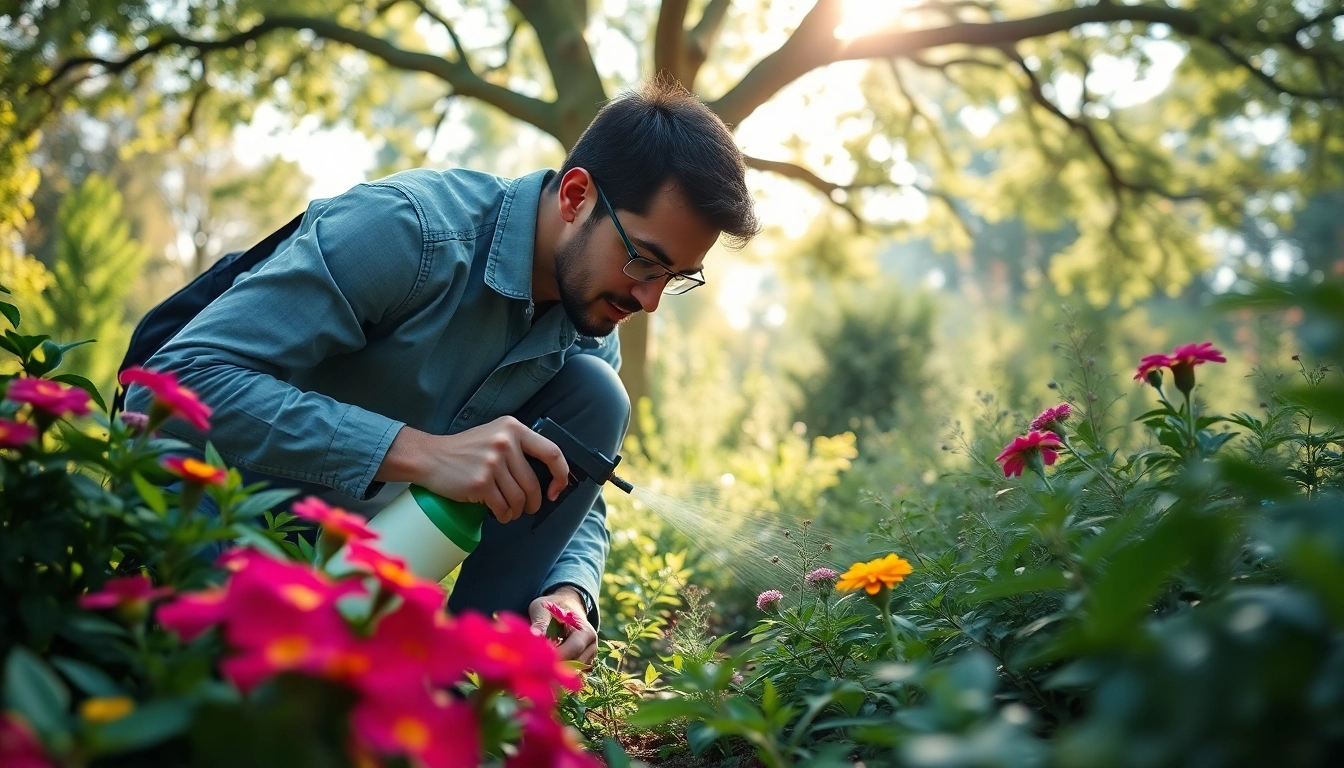
- The Importance of Environmentally Friendly Bug Service
- How It Works: Strategies for Effective Pest Management
- Choosing an Environmentally Friendly Bug Service Provider
- Do-It-Yourself Tips for Eco-Friendly Bug Control
- Measuring Success: Evaluating Your Pest Control Efforts
- FAQs about Environmentally Friendly Bug Services
The Importance of Environmentally Friendly Bug Service
As awareness of environmental issues grows, so does the demand for environmentally friendly bug service. These services focus on pest control methods that minimize harm to the environment, human health, and non-target organisms. In this comprehensive guide, we will explore the significance of eco-friendly pest solutions, the strategies that drive them, and how to choose the best service providers while also considering DIY options and ways to measure success.
Understanding Eco-Friendly Pest Control
Eco-friendly pest control, often referred to as Integrated Pest Management (IPM), combines different management strategies and practices to control pest populations sustainably. At its core, eco-friendly pest control considers the life cycle of pests and incorporates biological control agents, preventative strategies, and mechanical controls, minimizing the reliance on chemical pesticides.
This approach emphasizes understanding the foundational ecological principles, addressing the root causes of pest issues rather than simply treating symptoms. Consequently, the goal is to reduce pest populations while maintaining a healthy environment for both humans and wildlife.
The Benefits of Going Green
Choosing environmentally friendly pest control offers numerous benefits. Here are some key advantages:
- Healthier Homes: Eco-friendly methods involve fewer harmful chemicals, which can lead to improved indoor air quality and a healthier living environment.
- Safety for Pets and Wildlife: Natural solutions pose less risk to pets and beneficial wildlife, allowing ecosystems to flourish while managing pest populations.
- Long-term Solutions: By focusing on prevention and natural controls, eco-friendly pest control can provide sustainable management of pest populations over time.
- Environmental Protection: Reducing chemical pesticides helps protect water supplies, soil health, and local biodiversity.
- Regulatory Compliance: With many municipalities implementing stricter regulations, using eco-friendly methods helps businesses and homeowners stay compliant with local environmental laws.
Common Misconceptions about Natural Solutions
Despite the myriad benefits of environmentally friendly pest services, misconceptions persist. One common myth is that eco-friendly solutions are less effective than traditional methods. However, research has shown that when applied correctly, natural pest control methods can be just as effective, if not more so, than conventional chemical treatments.
Another misconception is that eco-friendly pest control is costly. While initial investments may appear higher, these methods often lead to long-term savings by reducing the need for repeated treatments and the costs associated with chemical pesticides.
How It Works: Strategies for Effective Pest Management
To effectively manage pests while prioritizing environmental considerations, various strategies are employed. Below, we explore some of the key methodologies used in eco-friendly pest control.
Naturally Derived Insecticides
Naturally derived insecticides are made from plant materials or other natural sources. Common examples include pyrethrins (derived from chrysanthemum flowers), neem oil, and diatomaceous earth. These substances disrupt the insect’s nervous system or inhibit growth without the pesky environmental residues associated with synthetic options.
Using these insecticides in conjunction with proper application techniques can yield effective pest management solutions while maintaining ecological balance.
Biological Control Methods
Biological pest control involves using natural predators or parasites to manage pest populations. For example, ladybugs can effectively control aphid infestations, while beneficial nematodes target soil-borne pests. This method minimizes the need for chemical interventions and helps promote biodiversity in gardens and landscapes.
Integrating biological controls into pest management not only supports effective pest control but also fosters a healthier ecosystem.
Preventative Measures for Homes and Gardens
Preventative measures are essential in maintaining a pest-free home environment. Here are some effective strategies:
- Regular Maintenance: Regularly inspecting and maintaining properties can prevent infestations by addressing potential entry points before they become issues.
- Habitat Modification: Altering the habitat can deter pests. This includes managing moisture levels, keeping mulch layers thin, and proper plant spacing.
- Natural Deterrents: Planting pest-repellent plants, like marigolds or mint, can help keep insects at bay in gardens and yards.
Choosing an Environmentally Friendly Bug Service Provider
Selecting the right provider for an environmentally friendly bug service is crucial for long-term success. Here are essential factors to consider when making your choice:
What to Look For
When researching service providers, look for companies that are transparent about their methodologies. They should prioritize eco-friendly practices, use natural pest control products, and provide tailored solutions based on specific pest problems.
Check for reviews and testimonials, as well as the provider’s history in applying eco-friendly practices successfully.
Questions to Ask for Transparency
Asking the right questions can provide insight into a company’s operation. Consider the following inquiries:
- What products do you use, and are they approved for organic use?
- Can you provide references from past clients who sought eco-friendly services?
- What specific methods do you employ to reduce chemical exposure in homes?
Assessing Certifications and Eco-Credentials
Verify any claimed certifications or credentials related to eco-friendly practices. Look for recognitions from official bodies or organizations specializing in responsible pest management. Certification can be a solid indicator of a company’s commitment to sustainability.
Do-It-Yourself Tips for Eco-Friendly Bug Control
For those who prefer a hands-on approach, several DIY methods can effectively manage pests. Below are some practical tips and techniques that can help you achieve pest control success naturally.
Homemade Solutions: Recipes You Can Use
Making homemade pest control solutions is both economical and effective. Consider these recipes:
- Soap and Water Spray: Combine two tablespoons of liquid soap with a quart of water. This solution can help eliminate soft-bodied insects like aphids and spider mites.
- Neem Oil Spray: Mix neem oil with water in a spray bottle; this not only deters pests but also supports plant health.
Effective Traps and Barriers
Creating traps and barriers can help mitigate infestations. For example:
- Beer Traps: Place shallow dishes of beer in the garden to attract and drown slugs.
- Row Covers: Utilize lightweight fabric covers to protect seedlings from pests while allowing sunlight and moisture to penetrate.
Creating a Bug-Resistant Garden Environment
A pest-resistant garden begins with strategic planting and maintenance practices. Here are some ways to encourage resistance:
- Diversity in Planting: Maintaining a diverse plant palette can confuse pests and reduce their rates of reproduction.
- Companion Planting: Planting certain species together can enhance growth and deter specific insects. For instance, basil repels harmful flies and mosquitoes.
Measuring Success: Evaluating Your Pest Control Efforts
Measuring the success of your pest control strategies is vital for their effectiveness. The following indicators can help ascertain if your efforts are successful.
Key Indicators of Success
Indicators of successful pest management include:
- Reduced pest populations over time
- Decreased damage to plants and structures
- Healthier ecosystems with thriving beneficial species
Data Collection: Tracking Progress
Keep a journal or log of pest sightings, treatment methods, and outcomes. Documenting this information helps develop an understanding of trends and patterns, allowing for informed decisions regarding ongoing pest management strategies.
Adapting Strategies Based on Results
Reviewing data regularly allows you to adapt strategies as necessary. If a particular technique isn’t working, explore alternative approaches or products. Flexibility and informed decision-making are key to long-term success in pest management.
FAQs about Environmentally Friendly Bug Services
What is an environmentally friendly bug service?
This service focuses on using sustainable methods for pest control that protect the environment and human health, minimizing the use of harmful chemicals.
How effective is eco-friendly pest control?
Eco-friendly pest control can be very effective, as it uses integrated methods tailored to specific pests, often providing long-term solutions without harsh chemicals.
Are homemade pest control solutions safe?
Yes, homemade solutions made from natural ingredients, such as soap and water or neem oil, are generally safe for most pets and plants when used correctly.
How often should I apply eco-friendly treatments?
The frequency of application depends on the specific pest and treatment method, but typically every few weeks during peak pest seasons is recommended.
Can eco-friendly pest services save me money?
Yes, although the upfront costs may be higher, eco-friendly pest services often lead to long-term savings by reducing chemical use and the need for repeated treatments.