
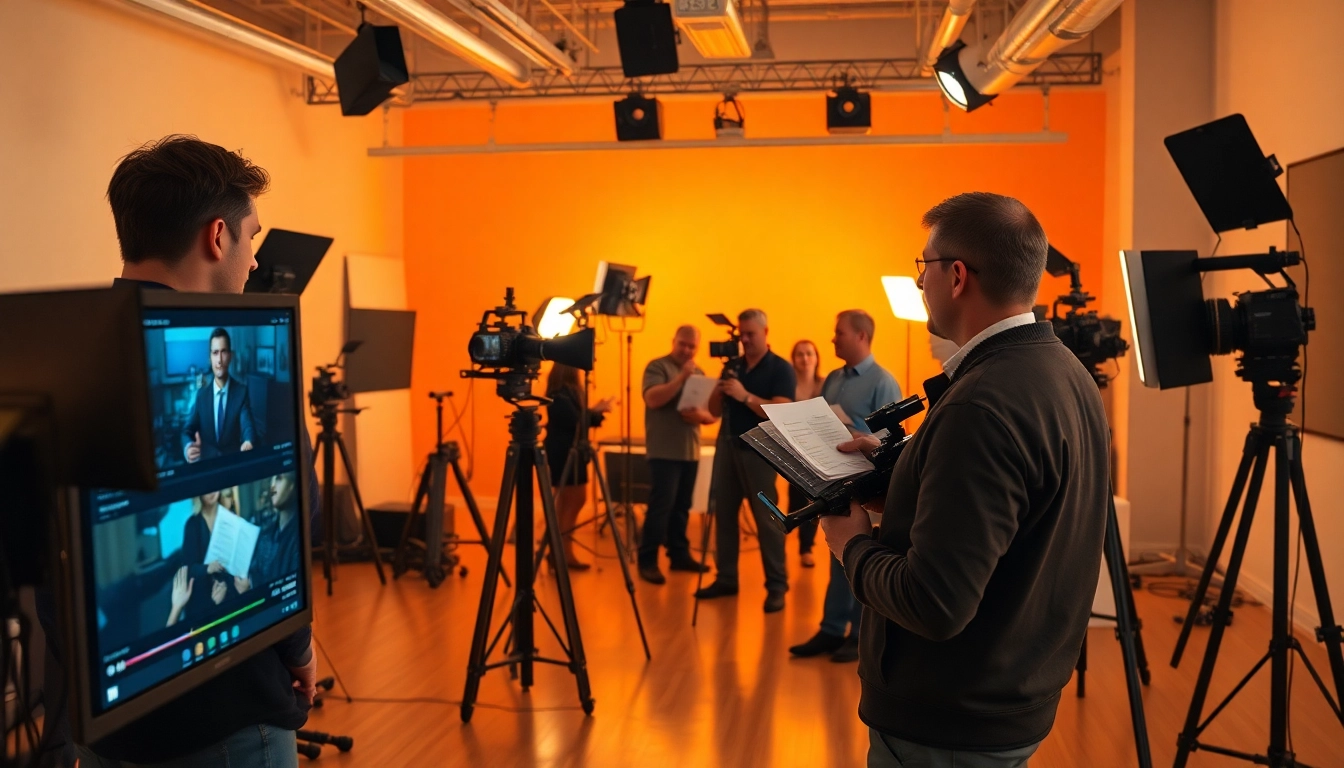
Understanding the Role of a Video Production Agency
Defining Video Production: What It Entails
Video production encompasses the entire process of creating video content, from conception to final product. It involves various stages, including pre-production, production, and post-production. Pre-production includes planning, scripting, and storyboarding, where the creative vision is outlined. Production is the phase where the actual filming occurs, utilizing cameras, lighting, and sound equipment to capture high-quality footage. Finally, post-production involves editing the footage, adding visual effects, sound design, and finalizing the project for distribution.
The Benefits of Hiring a Video Production Agency
Employing a video production agency can significantly enhance the quality and effectiveness of your video content. Agencies offer several advantages, including professional expertise, access to state-of-the-art equipment, and a team of specialists including directors, videographers, editors, and sound engineers. This collaborative effort ensures the production of polished and impactful videos. Agencies also bring a strategic approach to video creation, aligning your content with specific marketing goals, such as brand awareness, lead generation, and audience engagement.
Common Services Offered by Video Production Agencies
Video production agencies typically provide a variety of services to cater to different client needs. These services often include:
- Corporate videos: Typically used for internal training, onboarding, or external marketing, these videos encapsulate the essence of a brand.
- Commercials: Short, engaging videos aimed at advertising products or services through television or online platforms.
- Promotional videos: Designed to promote a specific event, product launch, or campaign, these highlight key features and benefits.
- Documentaries: Longer, storytelling formats that can inform audiences while reflecting a brand’s values or mission.
- Social media content: Short videos tailored for platforms such as Instagram, Facebook, and YouTube, focusing on quick engagement and shareability.
- Animated videos: Utilizing animation or motion graphics to effectively communicate complex ideas in a visually appealing manner.
How to Select the Right Video Production Agency
Key Factors to Consider When Choosing an Agency
Choosing the right video production agency is pivotal for the success of your project. Consider the following factors:
- Experience: Look for agencies with a proven track record in your industry or with your type of project.
- Client base: Evaluate the agency’s previous clients to determine their credibility and ability to handle various projects.
- Specialization: Some agencies might specialize in specific types of video production, such as corporate videos or animated content, so it’s essential to find one that aligns with your needs.
- Creative vision: The agency’s approach should resonate with your brand’s voice and mission.
- Budget: Ensure that the agency’s pricing aligns with your project’s budget without compromising the quality of work.
Assessing Portfolio and Previous Work
Before finalizing your choice, thoroughly review the agency’s portfolio. This will give you insights into their style, creativity, and technical abilities. Pay attention to:
- Diversity of work: A varied portfolio indicates versatility and the ability to adapt to different styles and formats.
- Quality of production: Assess the visual and audio quality of their work, ensuring it meets industry standards.
- Impactful storytelling: Check whether the videos effectively convey a message and engage the audience.
Understanding Client Testimonials and Reviews
Client testimonials and reviews are invaluable when assessing a video production agency. Look for:
- Ratings and feedback: High ratings across multiple platforms can indicate client satisfaction.
- Case studies: Agencies that showcase successful projects and their outcomes provide transparency and credibility.
- Communication and collaboration: Reviews that speak to the agency’s responsiveness and teamwork can tell you about the working relationship you can expect.
Pricing Models and Budget Considerations
Typical Pricing Structures in the Video Production Industry
Understanding the pricing structures prevalent in the video production industry is crucial. Agencies typically employ one of the following pricing models:
- Hourly rate: Agencies charge based on the number of hours spent working on the project.
- Project-based pricing: A fixed price for the entire project, which can provide clarity about costs upfront.
- Retainer packages: Clients pay a monthly fee for ongoing services, ideal for businesses needing regular video content.
Budgeting for Your Video Production Project
When budgeting for your video production, consider the following elements:
- Pre-production expenses: Costs for scripting, storyboarding, casting, and equipment rental.
- Production costs: Expenses incurred during filming, including crew salaries, location fees, and equipment use.
- Post-production costs: Editing, color correction, sound design, and any special effects that enhance the final product.
- Marketing and distribution: Budgeting for promoting the video can help amplify reach and engagement.
Evaluating Value for Money with Video Production Agencies
Value for money transcends mere cost; it incorporates the quality and impact of the final product. Consider these aspects:
- Return on investment (ROI): Track performance metrics post-deployment to assess the effectiveness of your video content.
- Quality vs. price: A higher price tag often correlates with better quality and more experienced teams, leading to high-impact videos.
- Partnership value: An agency that understands your vision can deliver more relevant and timely content.
The Creative Process: From Idea to Final Product
Initial Consultations and Concept Development
The creative journey begins with initial consultations where ideas are brainstormed and refined. This stage is crucial for:
- Understanding goals: Defining what you want to achieve with the video helps guide each subsequent step.
- Target audience: Identifying who the video is for can influence style, tone, and content.
- Creative ideas: Developing unique concepts that resonate with the audience while aligning with your brand voice.
Scripting, Storyboarding, and Planning
Once ideas are crystallized, the next steps involve scripting and storyboarding:
- Scripting: Crafting a detailed script that outlines the dialogue, actions, and key information to be conveyed.
- Storyboarding: Collaborating with a visual artist to create a shot-by-shot visual representation of the video.
- Logistical planning: Coordinating shoots, securing locations, casting, and scheduling crew availability to streamline the production process.
Post-Production Essentials: Editing and Feedback
The post-production phase is where all elements come together to finalize the video:
- Video editing: This involves cutting, arranging footage, and adding transitions for a seamless viewing experience.
- Sound design: Incorporating music, sound effects, and voiceovers to enhance the narrative quality.
- Client feedback: Engaging clients throughout the editing process ensures the final product meets expectations and allows for revisions if necessary.
Metrics for Measuring Success in Video Productions
Key Performance Indicators for Video Projects
To ascertain the effectiveness of your video content, utilize various key performance indicators (KPIs):
- View count: The number of views indicates reach and initial interest, reflecting how well the video attracts attention.
- Engagement rate: Measured through likes, shares, comments, and interaction on social platforms, this metric gauges viewer interest.
- Conversion rate: Evaluates how many viewers completed a desired action, such as signing up or making a purchase after watching the video.
Analyzing Viewer Engagement and Feedback
Collecting and analyzing viewer feedback can provide deeper insights into your content’s performance:
- Surveys and polls: Gaining direct viewer feedback can guide improvements for future videos.
- Comments and shares: Observing levels of interaction on social media can reveal the relevance and impact of your content.
- A/B testing: Running tests with different video styles or messaging can help identify what resonates best with audiences.
Utilizing Data to Improve Future Video Production Projects
Data obtained from video performance can significantly influence future projects:
- Content refinement: Use insights to create more relevant and effective videos that cater to audience preferences.
- Strategy alignment: Adjusting your content strategy based on viewer behavior ensures ongoing engagement and conversion.
- Measuring competitive performance: Keeping track of industry trends and competitor performance can inform your video production approach and help you stay relevant in your niche.