
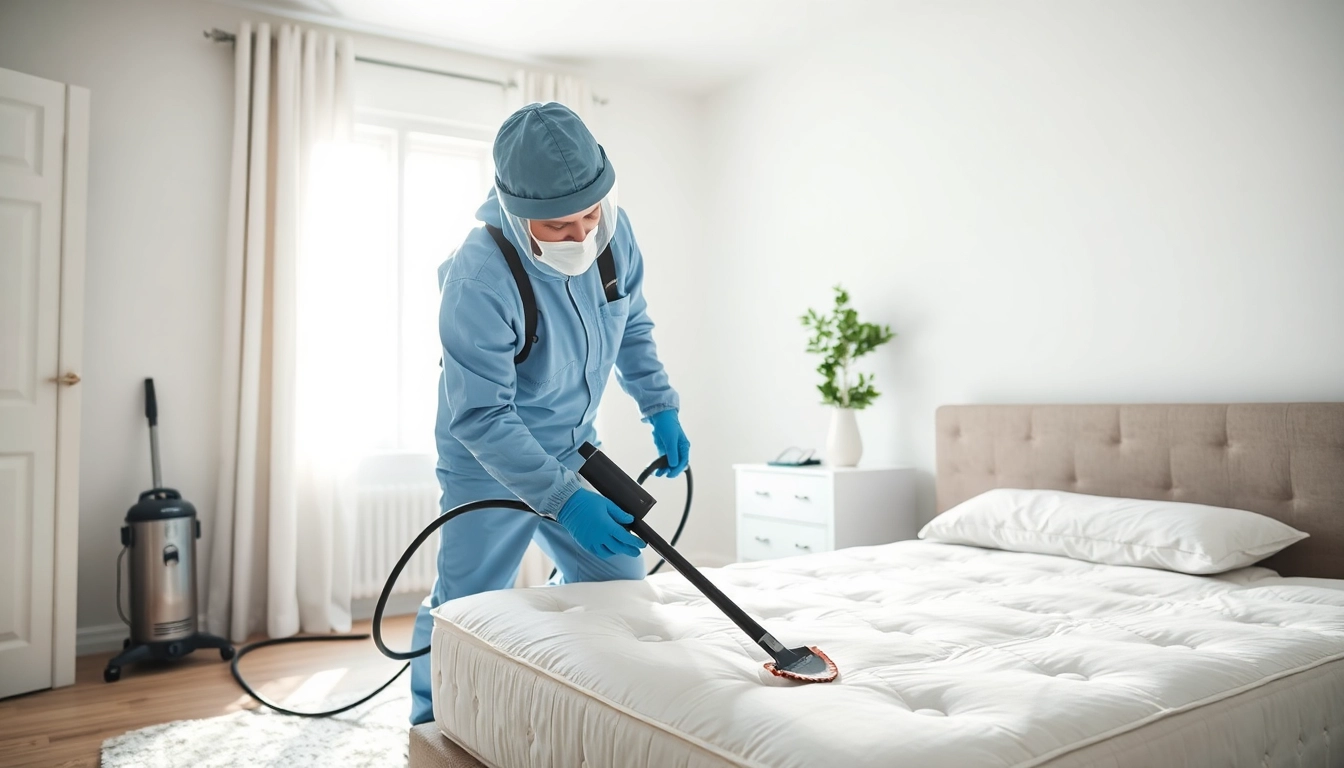
Understanding Bed Bugs
What are Bed Bugs?
Bed bugs are small, flat, wingless insects that feed on the blood of humans and animals. Typically measuring about 4-5 mm in length, these pests have a brownish color and become more elongated and red after feeding. Bed bugs are nocturnal creatures that often hide in cracks, crevices, and folds of mattresses, bed frames, and furniture. Their ability to reproduce swiftly and evade detection makes them a persistent household nuisance.
Signs of Infestation
Identifying a bed bug infestation early can prevent a situation from worsening. Look for these signs:
- Physical Sightings: Spotting bed bugs in your bed, furniture, or luggage is a clear indicator.
- Blood Stains: Small stains on sheets or fabric can result from bed bugs being crushed after a meal.
- Dark Spots: Tiny dark spots on bedding, furniture, or walls might indicate bed bug feces.
- Egg Shells: These tiny, translucent shells are a sign of new hatching; they resemble rice grains.
- Unusual Odor: A musty scent in infested areas may result from bed bug excretions.
Health Risks Associated with Bed Bugs
While bed bugs are not known to transmit diseases, their presence can have various health implications. Bites can lead to intense itching, allergic reactions, and secondary infections from scratching. Furthermore, the psychological impact can include anxiety and insomnia, resulting from the stress of dealing with an infestation. These factors underline the importance of effective bed bug removal.
Bed Bug Removal Techniques
Professional Pest Control Solutions
For severe infestations, hiring professional pest control services may be the most effective route. These experts employ a multi-faceted approach combining various methods:
- Heat Treatments: This method raises the temperature in infested areas to levels that are lethal for bed bugs, effectively eliminating all life stages.
- Insecticides: Professionals use targeted chemical treatments that are meant to eliminate bed bugs from their hiding spots.
- Vacuuming: Specialized vacuums can remove bed bugs as well as eggs, aiding in the initial removal phase.
- Steam Cleaning: High-temperature steam can penetrate into cracks and crevices ensuring thorough elimination of bugs.
DIY Bed Bug Removal Methods
Some homeowners prefer to use do-it-yourself (DIY) methods for treating bed bugs. While these may not always be sufficient for a severe infestation, they can be effective for minor issues or as a supplemental method:
- Laundering: Washing and drying bedding and clothes on high heat can kill bed bugs and eggs effectively.
- Freezing: Exposing infested items to temperatures below 0°F (-18°C) for several days can eliminate bed bugs.
- Diatomaceous Earth: This natural powder can be applied to infested areas to dehydrate bed bugs when they come into contact with it.
- Encasements: Special mattress and pillow encasements can prevent bed bugs from infesting your sleeping area.
Integrated Pest Management (IPM) Approach
An effective strategy for long-term pest control is the Integrated Pest Management (IPM) approach, which combines various techniques for maximized results. The IPM framework consists of:
- Monitoring: Regular inspections and monitoring help to assess the presence and density of bed bugs.
- Preventive Measures: Educational resources for preventing bed bugs can minimize the risk of future infestations.
- Combination Treatments: Utilizing both chemical and non-chemical methods in conjunction enhances treatment effectiveness.
Preparing for Bed Bug Removal
Initial Assessment and Inspection
Before taking any formal action, conduct an initial assessment to determine the extent of the infestation. Check all common hiding spots including your bed, furniture, and behind wall hangings. Inspect luggage and personal items that may have brought bed bugs into your home. Document these findings, as this will guide your treatment strategy.
Cleaning and Decluttering
A critical step in preparing for bed bug removal is cleaning. Remove clutter from your home that may serve as harborages for bed bugs. Vacuum frequently and ensure to dispose of the vacuum bag immediately thereafter. Wash bedding, linens, and clothing in hot water, followed by drying on a high heat setting.
Protective Preparations for Your Home
Before applying any treatment, it’s essential to make protective preparations:
- Move furniture away from walls: This helps to create barriers and reduces hiding spots for bed bugs.
- Seal cracks and crevices: Use caulk to fill any gaps in walls or furniture where bed bugs may hide.
- Store items securely: Keep other items in sturdy containers to reduce the risk of spreading bed bugs during treatment.
Post-Treatment Care and Maintenance
Monitoring for Reinfestation
After treatment, it’s essential to monitor for any signs of reinfestation. This may include regular inspections of sleeping quarters and common areas. Use bed bug traps or interceptors to aid in capturing any lingering bugs and monitor their presence.
Long-Term Prevention Strategies
Preventing bed bugs from returning requires ongoing vigilance. Implement these strategies:
- Regular Inspections: Continually check common hiding spots, especially after traveling.
- Educate Yourself: Stay informed about bed bugs, learning where they are commonly found and how they behave.
- Encasements: Maintain encasements on mattresses and pillows as ongoing protection from reinfestations.
When to Call Professionals Again
If you notice persistent signs of bed bugs even after treatment, or if you are overwhelmed by the infestation, it may be time to call in professionals. Their expertise and advanced techniques can provide an effective solution for substantial infestations and ensure long-term resolution.
Frequently Asked Questions
How can I tell if I have a bed bug infestation?
Look for signs like bite marks on your body, blood stains on sheets, dark spots on bedding, and actual sightings of bugs or their excrement.
What is the safest method for bed bug removal?
Using professional pest control services tends to be the safest and most effective way to manage a bed bug infestation.
Can I stay in my home during bed bug treatment?
In most cases, you can remain in your home during treatment, but it is advisable to follow the pest control operator’s guidelines to minimize exposure.
What should I do to prepare my home for pest control?
Clear clutter, wash and dry bedding and clothes, and create access to areas where treatment will be applied. Follow specific instructions given by the pest control service.
How effective are homemade bed bug treatments?
While some DIY remedies may temporarily reduce bed bugs, they are usually not as effective as professional treatments for severe infestations.