
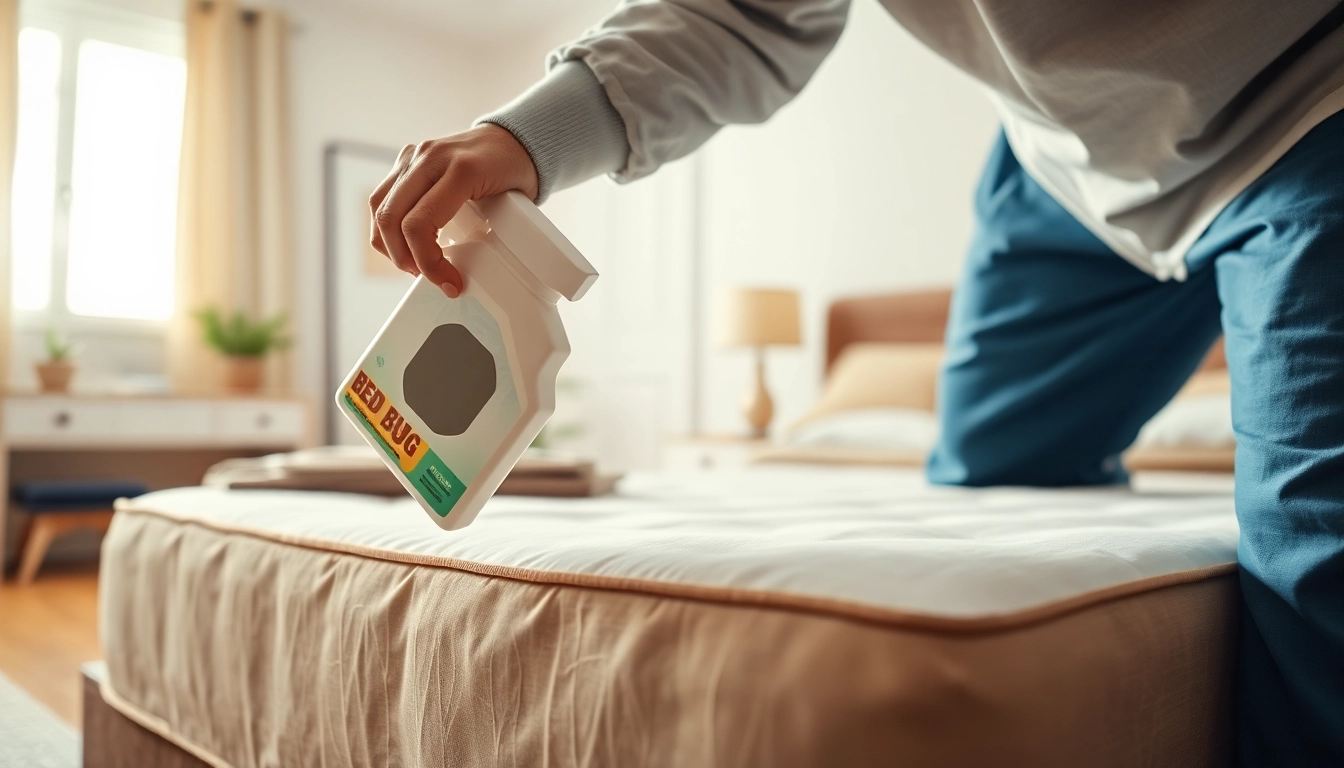
Understanding Bed Bugs and Their Impact
What Are Bed Bugs?
Bed bugs are small, reddish-brown insects that belong to the Cimicidae family. These nocturnal pests primarily feed on human blood, making their presence particularly problematic for households, hotels, and social establishments. Adult bed bugs can reach up to 5mm in length and are known for their flattened bodies, which allow them to hide easily in crevices and upholstery. Over the last few decades, the prevalence of bed bugs has surged due to increased travel, urbanization, and resistance to common pesticides, rendering their eradication more challenging.
Signs of Bed Bug Infestation
Identifying a bed bug infestation can be crucial for early intervention. Common signs to look out for include:
- Bites: Small, red, itchy welts appearing in a line or cluster on your skin, typically during the night.
- Blood Stains: Small rust-colored stains on bed linens or mattresses, caused by bed bugs being crushed after feeding.
- Fecal Spots: Dark spots or stains on bedding, indicating bed bug droppings.
- Shed Skins: Exoskeletons that are left behind as bed bugs grow and molt.
- Musty Odor: A sweet, unpleasant scent can emanate from a heavily infested area, caused by pheromones released by the bugs.
Health Risks Associated with Bed Bugs
While bed bugs are not known to transmit diseases, their bites can lead to itching, red welts, and allergic reactions in some individuals. Scratching bites can result in secondary infections. The psychological impact can be significant, often causing anxiety, insomnia, and even depression. Understanding the non-physical implications of an infestation highlights the importance of effective bed bug treatment to restore peace of mind.
Effective Bed Bug Treatment Methods
Chemical Treatments Explained
Chemical treatments typically involve the application of pesticides specifically formulated to kill bed bugs and their eggs. Professional exterminators often utilize insecticides that belong to various chemical classes, including pyrethroids, neonicotinoids, and insect growth regulators (IGRs). It is crucial to follow safety guidelines and ensure proper ventilation when using chemical treatments, as they can pose health risks if misapplied.
Non-Chemical Approaches to Bed Bug Treatment
Non-chemical approaches are increasingly popular, especially among those hesitant to use pesticides. These methods include:
- Vacuuming: Effective at removing bed bugs from surfaces, vacuuming should be coupled with disposal of the vacuum bag to prevent re-infestation.
- Steam Treatment: High temperatures can kill bed bugs on contact. Steam cleaning is particularly useful for upholstered furniture and mattresses.
- Encasements: Mattress and box spring encasements can trap bed bugs and prevent them from biting, while also making it easier to detect infestations.
- Essential Oils: Some essential oils, like tea tree or lavender oil, have insecticidal properties. However, results can vary and may not be as effective as proven chemical treatments.
Heat Treatment: A Quick Solution?
Heat treatment involves raising the temperature of an entire room to levels lethal to bed bugs, typically above 120°F (49°C). This method is effective as it can kill bugs at all life stages in a single session. It often requires professional equipment and expertise, and it must be conducted with care to avoid damage to household items. While heat treatment provides quick results, it may not eliminate hidden infestations if thoroughness is not observed.
Preparing for Bed Bug Treatment
What to Do Before Your Exterminator Arrives
Preparation is essential for effective bed bug treatment. Before your exterminator arrives, consider the following steps:
- Remove clutter from affected rooms to facilitate access for treatment.
- Strip beds and wash all linens, clothing, and fabrics in hot water to reduce the number of pests.
- Inform your pest control professional about any previous treatments or observed bed bug activity.
How to Prepare Your Home
To enhance the effectiveness of the treatment, homeowners should:
- Vacuum carpets, rugs, and furniture to minimize the number of active bugs.
- Check behind wall hangings, baseboards, and electrical outlets for signs of bed bugs.
- Seal any cracks or crevices in walls or furniture to limit hiding spots.
Safety Precautions During Treatment
Staying safe during treatment is crucial. Residents, especially those with allergies or respiratory issues, should vacate the premises during application and for any recommended post-treatment duration. Pets should also be relocated. Air out the home after treatments and follow all safety guidelines provided by your pest control expert.
Post-Treatment Care and Prevention
How to Maintain a Bed Bug-Free Environment
Maintaining a bed bug-free home requires vigilance. Regularly inspect your living space, especially after traveling, and monitor for signs of new infestations. Utilize protective covers for mattresses and box springs, and declutter regularly to reduce hiding spots.
Identifying Remaining Signs After Treatment
After treatment, it’s important to continue monitoring your home for any signs of bed bugs. Inspect any newly introduced furniture or linens, and conduct periodic checks of your bed and surrounding areas. Reporting any findings immediately can help prevent a re-infestation.
When to Call for Follow-Up Treatments
If you notice any signs of bed bugs after treatment, contact your pest control service as soon as possible. Follow-up treatments might be necessary depending on the severity of the original infestation, the treatment methods applied, and your specific living conditions.
Frequently Asked Questions About Bed Bug Treatment
How long does bed bug treatment take?
Typically, bed bug treatment takes about 3-4 hours, but this can vary based on the infestation level and methods used.
Can I treat bed bugs on my own?
DIY treatments exist; however, professional methods often lead to more successful and lasting eradication. It’s recommended to consult professionals.
What are the costs involved?
Costs for bed bug treatments can vary widely, usually ranging from $200 to $2,500, depending on the extent of the infestation and treatment method employed.
How do I know if the treatment worked?
Monitor your home for any signs of bed bugs for a few weeks. Consulting with professionals can also help confirm the success of the treatment.
Are there any side effects of treatment?
Most treatments are safe when conducted professionally, but minor odors or irritations from chemicals can occur temporarily.