
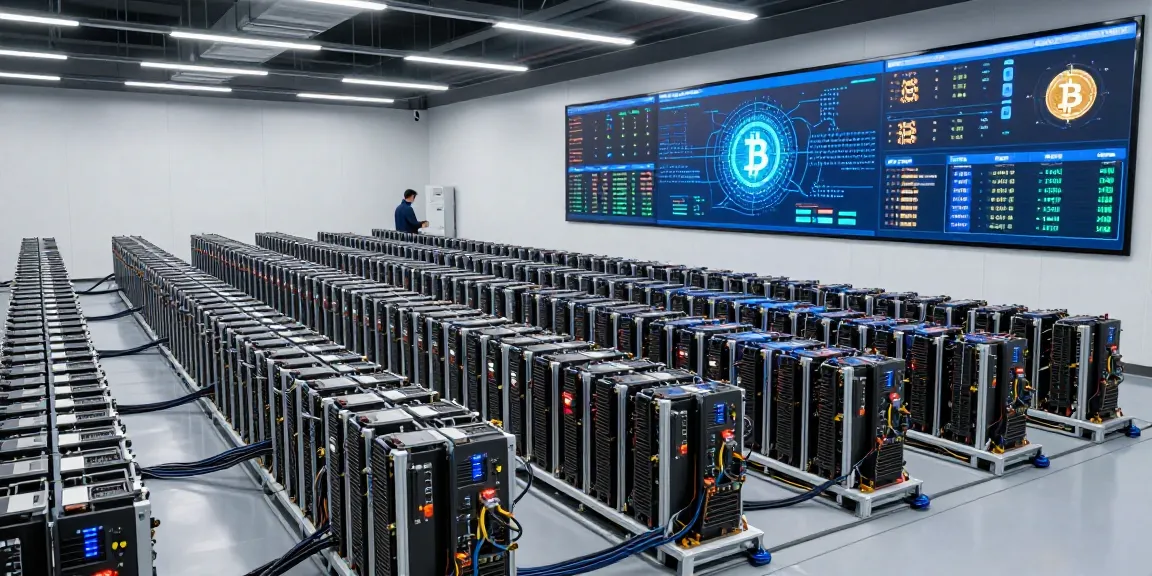
Understanding Bitcoin Mining Farms and Their Operations
As blockchain technology continues to revolutionize various industries, the phenomenon of bitcoin mining farms has gained substantial attention. These facilities are pivotal in the Bitcoin network’s operation, ensuring the integrity and security of transactions while enabling miners to earn rewards for their contributions. Through the use of massive amounts of computing power, bitcoin mining farms help to maintain the decentralized nature of the network, a crucial feature that distinguishes it from traditional financial systems. With an increase in cryptocurrency adoption, it is essential to explore the underlying mechanics of these farms, their setup, and their profitability in an ever-evolving regulatory landscape. When exploring options, bitcoin mining farm configurations provide comprehensive insights for anyone looking to enter this space.
What is a Bitcoin Mining Farm?
A bitcoin mining farm typically refers to a dedicated facility or collection of computers configured to mine Bitcoin. These farms consist of numerous Application-Specific Integrated Circuits (ASIC) miners, which are specially designed hardware optimized for the computational tasks required in mining. Each miner works independently to solve complex mathematical puzzles as part of the process of validating transactions on the Bitcoin blockchain. Upon successfully mining a block, miners receive block rewards, which currently stand at 3.125 BTC, alongside transaction fees from processed transactions.
Key Components of Mining Operations
Effective bitcoin mining operations rely on several critical components:
- Mining Hardware: ASIC miners are the backbone of a mining farm and have been designed to maximize hash rates while maintaining energy efficiency.
- Power Supply: Since mining requires enormous electricity, a reliable and efficient power supply is crucial to operational sustainability.
- Networking and Infrastructure: High-speed internet connections and robust network setups are essential for consistent communication with the Bitcoin blockchain.
- Cooling Systems: Mining rigs generate significant heat, and cooling solutions (like HVAC systems) are vital for maintaining optimal operating temperatures.
Power Consumption and Environmental Considerations
Bitcoin mining is often critiqued for its high energy consumption, raising concerns about its environmental impact. According to recent studies, Bitcoin mining consumes around 0.5% of the world’s total energy. In response to sustainability concerns, many mining farms are beginning to adopt renewable energy sources such as solar and wind. These initiatives not only reduce emissions but can also lead to more favorable regulatory treatment in regions with stringent environmental laws.
Setting Up Your Bitcoin Mining Farm
Choosing the Right Mining Hardware
Selecting the appropriate mining hardware is the first step to establishing a successful bitcoin mining farm. Given the rapid advancements in technology, it’s essential to consider factors such as hash rate performance, energy efficiency, and initial costs when choosing miners. Top manufacturers, including Bitmain’s Antminer and MicroBT’s Whatsminer, are recognized for offering high-performance options that balance profitability with power consumption.
Location, Layout, and Power Supply Strategy
The choice of location for a mining farm is critical. It should ideally be situated in areas with cheap electricity and favorable climates to facilitate cooling. Moreover, the layout of the farm—how miners are arranged and connected—can affect both efficiency and maintenance. An optimal power supply strategy, including options for backup power and alternative energy sources, is crucial for mitigating downtime.
Cooling Systems and Infrastructure Management
Proper cooling systems are essential for extending the life span of mining hardware and ensuring consistent performance. Techniques can range from traditional air conditioning to advanced immersion cooling technologies. Infrastructure management also entails regular maintenance, monitoring of systems, and ensuring redundancy to avoid hardware failure.
Maximizing Profitability in Bitcoin Mining
Understanding Difficulty and Block Rewards
Bitcoin mining profitability is influenced by two primary factors: the network difficulty and block rewards. Network difficulty adjusts approximately every two weeks, reflecting the total computational power in the network. As more miners join the network and the difficulty increases, the chances of earning block rewards diminish. Thus, successful mining operations continuously assess their profitability against these metrics, recalibrating their strategies accordingly.
Cost Analysis: Equipment, Power, and Maintenance
For accurate profitability assessments, miners must perform a comprehensive cost analysis that includes the following:
- Initial equipment costs
- Ongoing electricity expenses
- Maintenance and cooling costs
Regularly reviewing these expenses is essential to ensure that mining remains viable, particularly as the Bitcoin ecosystem continues to evolve.
Staying Competitive: Mining Pools vs Solo Mining
Miner collaboration through mining pools is becoming increasingly popular as it allows participants to combine resources and increases the chance of earning rewards. By pooling hashing power, miners may receive smaller, more frequent payouts, which can be less risky than solo mining, especially given the growing network difficulty. Understanding the dynamics of various pools—such as fees and payout structures—is pivotal in the decision-making process for individual miners.
Regulatory Considerations in Bitcoin Mining
Current Regulations in 2026
The regulatory landscape for cryptocurrency and bitcoin mining is rapidly changing. In 2026, regulators worldwide continue to examine and impose laws impacting mining activities. Compliance with these regulations typically includes registration requirements, energy consumption disclosures, and adherence to local laws governing cryptocurrency transactions.
Tax Implications for Miners in the U.S.
In the United States, the IRS considers mined bitcoins as taxable income based on their fair market value at the time of acquisition. Miners must maintain thorough records of their mining activities for accurate tax reporting. It’s essential to consult with a tax professional familiar with cryptocurrency taxation to ensure compliance and avoid potential penalties.
Compliance with Environmental Regulations
As environmental sustainability becomes more critical, mining operations face increased scrutiny. Adherence to local environmental regulations, particularly regarding energy use and emissions, is mandatory for long-term operational viability. Failure to comply can result in fines and operational shutdowns.
Future Trends in Bitcoin Mining Technology
Emerging Technologies and Their Impact
The Bitcoin mining sector is on the brink of significant transformation driven by emerging technologies. Innovations like AI-based optimization algorithms and advanced cooling systems are likely to enhance operational efficiency, while blockchain-specific hardware development can further reduce energy consumption.
The Role of Renewable Energy in Mining
As mentioned earlier, adopting renewable energy sources is pivotal for the future of bitcoin mining. By leveraging solar panels, hydroelectric power, and wind energy, miners can significantly reduce their carbon footprint and appeal to environmentally conscious investors.
Cryptocurrency Market Dynamics Affecting Mining Strategies
The cyclical nature of the cryptocurrency market influences mining strategies. For instance, as Bitcoin becomes more scarce due to halving events and increasing market demand, miners may need to adapt their techniques and strategies. Keeping an eye on market trends, such as the rise of alternative cryptocurrencies and developments in DeFi, will be vital for miners’ strategies moving forward.
What are the costs associated with starting a Bitcoin mining farm?
The startup costs for a bitcoin mining farm can be substantial, often requiring investments in high-performance hardware, supportive infrastructure, and significant electricity costs. In addition, operational expenses such as cooling systems and regular maintenance must also be factored in. Understanding these elements will allow prospective miners to gauge their return on investment effectively.
How do environmental factors influence mining profitability?
Environmental factors, particularly energy costs and regulatory compliance regarding emissions, can significantly impact mining profitability. Regions with access to cheap energy resources and supportive legislation tend to provide more favorable conditions for mining operations. Conversely, areas with strict environmental regulations and high power costs can deter mining investment.
What are the current trends in mining hardware?
Current trends in mining hardware focus on efficiency and computational power. Miners are gravitating towards the latest models that provide the highest hash rates for the lowest energy consumption. Manufacturers are also exploring next-generation technologies that may usher in the advent of quantum computing in mining.
How do mining pools affect profit margins?
Mining pools can enhance profit margins by reducing variance in payouts. Though participating in a pool might incur fees, the consistent stream of payouts can buffer against the unpredictability of solo mining rewards. Thus, understanding the trade-offs when joining a pool is crucial for miners.
What regulations should miners be aware of in 2026?
Miners in 2026 must stay updated on SEC regulations affecting security classifications, CFTC oversight of crypto derivatives, and compliance under MiCA. Additionally, they should be aware of jurisdiction-specific requirements for AML/KYC protocols, particularly when interacting with exchanges or processing transactions.
Security Threats & Risk Management
Common Security Threats
The cryptocurrency space is rife with security threats that may impact bitcoin mining operations. Common threats include phishing attacks, where attackers impersonate legitimate services to steal credentials; sim-swap attacks that can lead to account takeovers; and malware designed to compromise hardware. Additionally, smaller blockchains are often targets for 51% attacks, which can result in a take-over of the network.
Provide risk mitigation strategies
Mitigating risks associated with bitcoin mining involves regularly employing several best practices:
- Due Diligence: Always verify the reputation of suppliers and partners.
- Red Flags: Monitor for signs of distress in your operations.
- Community Reviews: Engage with the community to gauge project legitimacy.
- Contract Verification: Verify third-party contracts and conduct audits.
- Gradual Investment: Avoid heavy investments without thorough testing.
- Emergency Protocols: Establish exit strategies in case of failure.
Content Quality & Depth
This article aimed to provide technical insights into bitcoin mining farms, balancing rigor with accessibility. The discussion covered various operational strategies, profitability assessments, and highlighted potential risks and regulations surrounding mining activities. As the cryptocurrency landscape evolves, continuous research and adaptation to emerging trends and threats will be crucial for miners and enthusiasts alike.
Conclusion
Engaging in bitcoin mining requires a sound understanding of both the technical landscape and fluctuating market dynamics. By planning strategically, adhering to regulations, and maintaining a strong security posture, prospective miners can maximize their chances of success in this rapidly changing environment. As with any investment, it’s important to proceed with caution, keep informed, and remember that this is not financial advice – DYOR (Do Your Own Research).