
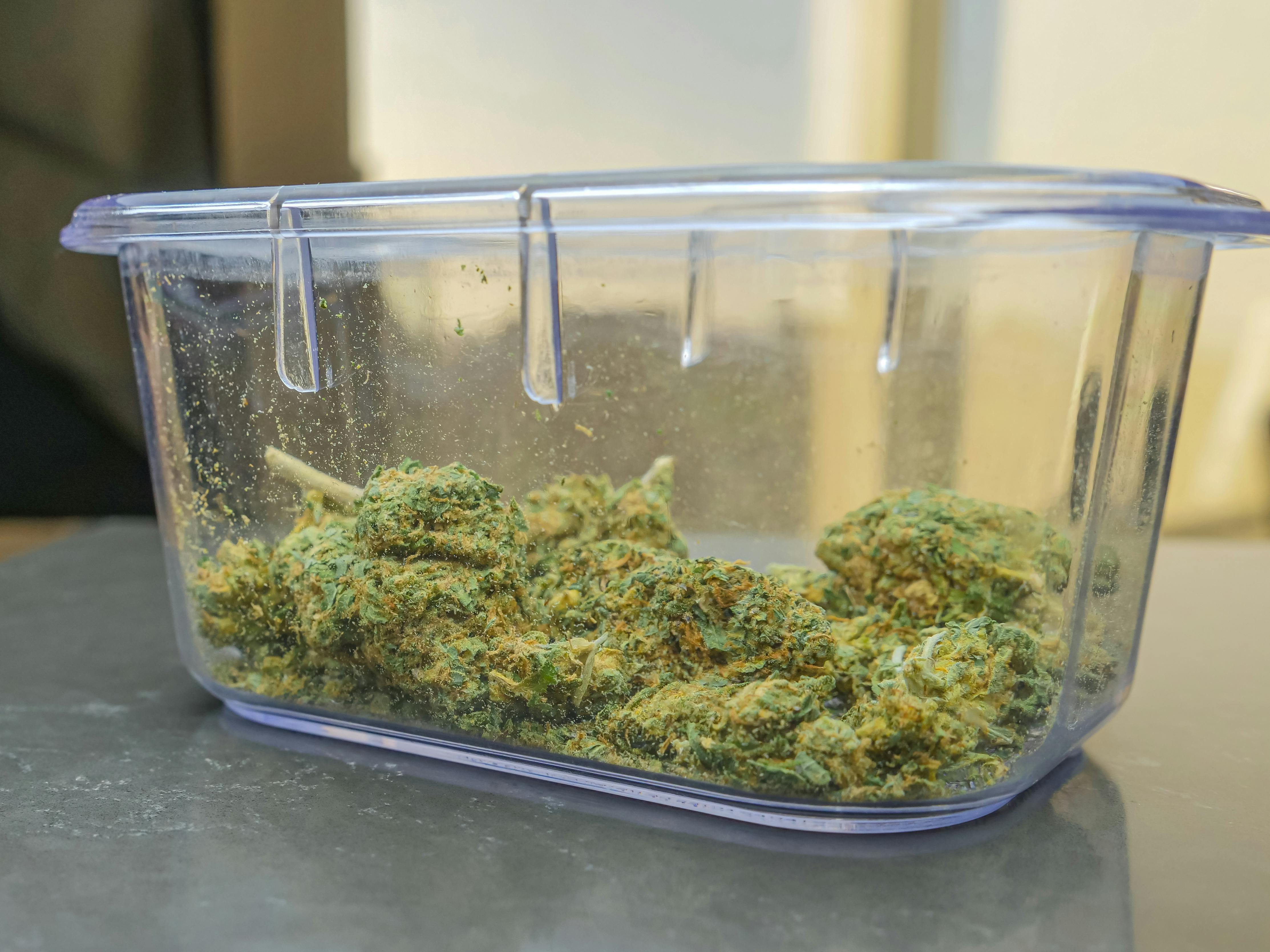
Introduction to THCA
THCA, or tetrahydrocannabinolic acid, is a naturally occurring cannabinoid found in raw cannabis plants. Unlike THC, THCA is non-psychoactive and does not produce a “high” when consumed in its natural form. As research and consumer interest in cannabinoids grow, understanding THCA’s potential benefits and limitations is essential for making informed choices about cannabis use and wellness applications.
Potential Benefits of THCA
Preliminary studies and anecdotal evidence suggest several potential benefits of THCA. THCA may have anti-inflammatory, neuroprotective, and antioxidant properties, which could support overall wellness and natural health routines. Its non-psychoactive nature allows users to explore these potential benefits without the cognitive effects associated with THC, making it appealing for daily use and wellness-focused lifestyles.
THCA in Consumer Products
THCA is available in a variety of products designed to preserve its natural form. Raw cannabis flowers, tinctures, concentrates, and capsules are popular options that allow consumers to enjoy THCA without converting it into THC through heat. These products provide versatility for those seeking non-intoxicating cannabinoid experiences and support a wide range of consumption preferences, from dietary integration to precise dosing.
Limitations and Considerations
Despite its potential benefits, THCA has certain limitations. Research is still in its early stages, and scientific evidence supporting its therapeutic properties is limited compared to THC or CBD. Additionally, THCA can convert into THC when exposed to heat through smoking, vaping, or cooking, which may result in psychoactive effects. Consumers must handle THCA products carefully and be aware of dosage, preparation methods, and storage to maintain its non-intoxicating properties.
Legal and Regulatory Aspects
The legal status of THCA varies depending on jurisdiction. While many laws target THC content, THCA’s ability to convert to THC can influence regulatory oversight. Total potential THC content is often considered in product testing and compliance. Understanding local regulations is essential to ensure legal and safe use of THCA-containing products, particularly for consumers who wish to avoid psychoactive effects.
Consumer Education and Safety
Education is crucial for safe and effective THCA use. Consumers should examine lab reports, verify product labeling, and start with small doses to monitor personal tolerance. Proper storage and handling help prevent accidental conversion to THC. Being informed about both the benefits and limitations of THCA enables users to maximize its potential advantages while minimizing risks.
Conclusion
THCA is a unique cannabinoid offering potential wellness benefits without the intoxicating effects of THC. While research is still developing, THCA’s non-psychoactive nature, versatility in products, and promising therapeutic properties make it an attractive option for consumers seeking natural alternatives. Awareness of its limitations, legal considerations, and proper usage ensures that THCA can be used safely and effectively in modern wellness practices.