
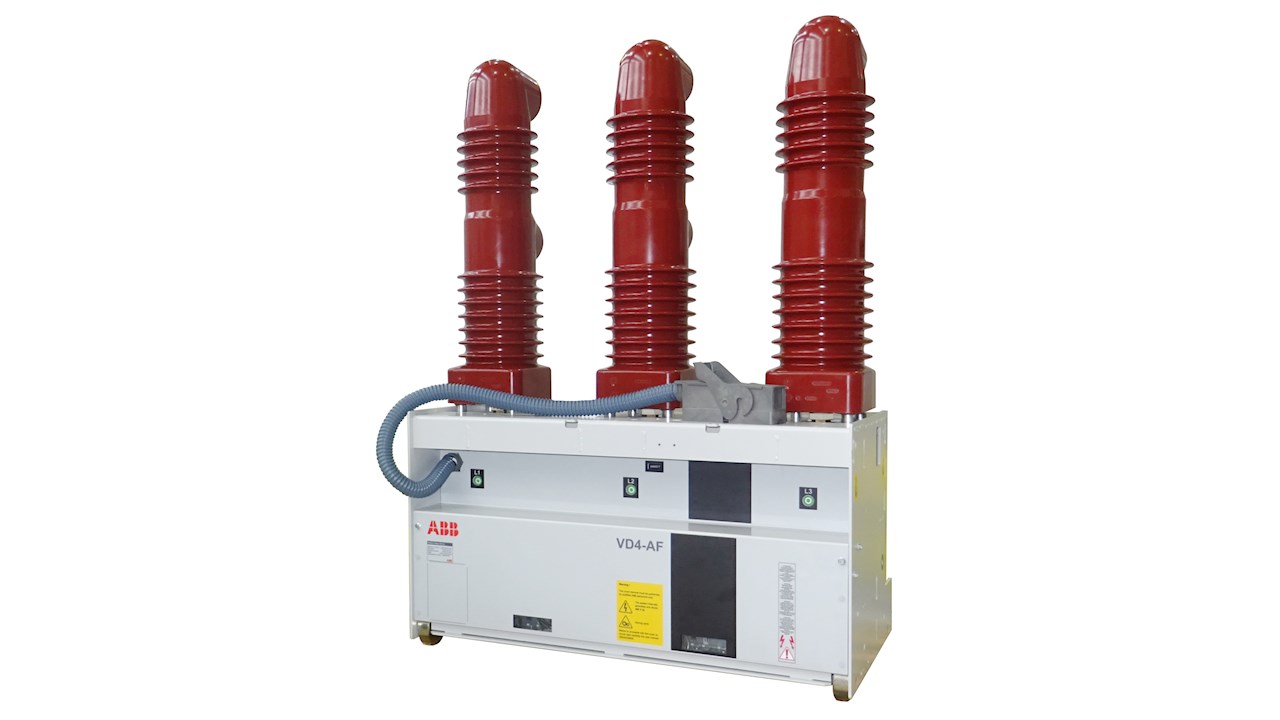
Introduction to Vacuum Circuit Breaker
A Vacuum circuit breaker is a crucial component in modern electrical systems, used to protect circuits from overloads and short circuits. The Vacuum circuit breaker works by interrupting the current flow when a fault occurs, ensuring that electrical equipment and personnel remain safe. In recent years, the Vacuum circuit breaker has gained immense popularity due to its reliability, compact size, and low maintenance requirements. The Vacuum circuit breaker operates in a vacuum environment, meaning the arc formed during current interruption is quickly extinguished, making it one of the most efficient types of circuit breakers. Engineers and technicians rely on the Vacuum circuit breaker for its long service life, high dielectric strength, and environmental friendliness. The Vacuum circuit breaker plays a vital role in both medium and high-voltage power systems, especially in industrial and utility applications. When it comes to electrical safety, the Vacuum circuit breaker stands out due to its advanced design and operational efficiency. Moreover, the Vacuum circuit breaker ensures minimal energy loss and a high level of performance consistency, making it an ideal choice for modern electrical grids. Therefore, understanding the internal structure of a Vacuum circuit breaker is essential for professionals working in the electrical industry.
Understanding the Internal Structure of a Vacuum Circuit Breaker
1. Main Components of a Vacuum Circuit Breaker
The Vacuum circuit breaker is composed of several key parts that work together to perform the interruption process effectively. These include:
- Vacuum Interrupter: The heart of the Vacuum circuit breaker, where the actual arc interruption occurs. It consists of two contacts enclosed in a vacuum-sealed chamber. When the contacts separate, the arc forms but is quickly extinguished due to the absence of gas or air.
- Contacts: The fixed and moving contacts are responsible for making and breaking the circuit. These contacts are usually made of copper-chromium alloy to handle high current and arc energy efficiently.
- Operating Mechanism: This system controls the movement of the contacts. It can be spring-operated, motor-operated, or magnetically controlled, depending on the design of the Vacuum circuit breaker.
- Arc Shield: This component protects the insulator from metal vapor during arcing. It ensures that the Vacuum circuit breaker continues to function safely without internal contamination.
- Insulation Housing: The external casing provides electrical insulation and mechanical support for the internal components.
2. Working Principle of a Vacuum Circuit Breaker
When a fault occurs, the contacts inside the Vacuum circuit breaker separate, creating an arc in the vacuum chamber. However, because there is no air or gas to sustain the arc, it quickly extinguishes. The vacuum provides a very high dielectric strength, which prevents current from re-establishing across the contacts. Once the arc is extinguished, the Vacuum circuit breaker restores its insulating properties, ensuring the circuit remains open until it is safe to reclose. This process happens within milliseconds, making the Vacuum circuit breaker one of the fastest protection devices in electrical systems.
3. Internal Design Features that Enhance Performance
The Vacuum circuit breaker incorporates several design features to enhance its durability and performance:
- Metallic Bellows: Allow smooth and sealed movement of the moving contact.
- Arc Control Mechanisms: Ensure the arc remains stable and evenly distributed.
- Compact Vacuum Bottle: Designed to maintain vacuum pressure for decades.
- Shielding Rings: Prevent deposition of metallic vapors on the insulating surface.
4. Advantages of a Vacuum Circuit Breaker’s Internal Structure
The Vacuum circuit breaker offers numerous benefits because of its internal structure:
- High Dielectric Strength: Vacuum offers superior insulation.
- Minimal Maintenance: The sealed chamber prevents oxidation and contamination.
- Compact and Lightweight: The design reduces installation space.
- Environmentally Friendly: No gas emissions or oil leakages.
- Long Service Life: Contacts experience minimal wear and tear.
Why Choose Us
Choosing us for your Vacuum circuit breaker needs means partnering with experts who understand every technical detail of this advanced electrical device. We provide high-quality Vacuum circuit breakers that meet international safety standards and offer long-term performance. Our products are designed with precision-engineered components, ensuring consistent operation under the most demanding conditions. With years of experience in electrical protection technology, we guarantee:
- Superior reliability and tested performance
- Custom engineering support for all voltage ranges
- Affordable pricing and fast delivery
- 24/7 technical assistance and maintenance supportWe take pride in offering solutions that combine innovation with durability, ensuring your systems stay safe and efficient at all times.
5 FAQs About Vacuum Circuit Breaker
1. What is the main purpose of a Vacuum circuit breaker?
A Vacuum circuit breaker is used to interrupt electrical current during faults, preventing damage to electrical equipment and ensuring system safety.
2. How does the arc extinguish in a Vacuum circuit breaker?
The arc is extinguished in a Vacuum circuit breaker because the vacuum environment provides no medium for the arc to sustain itself, allowing it to dissipate almost instantly.
3. What voltage range can a Vacuum circuit breaker handle?
A Vacuum circuit breaker is typically used in medium-voltage applications ranging from 1 kV to 36 kV, though advanced designs can manage higher voltages.
4. What are the maintenance requirements of a Vacuum circuit breaker?
The Vacuum circuit breaker requires minimal maintenance since its internal chamber is sealed, preventing contamination and oxidation of contacts.
5. Why is a Vacuum circuit breaker better than an air or oil circuit breaker?
A Vacuum circuit breaker is superior due to its compactness, environmental safety, quick operation, and long service life without the need for frequent maintenance or oil refilling.
Conclusion
In conclusion, the Vacuum circuit breaker stands as one of the most advanced and reliable forms of electrical protection technology. Its internal structure — including the vacuum interrupter, operating mechanism, and arc shields — ensures efficient arc extinction and long-term durability. Understanding the internal structure of a Vacuum circuit breaker helps engineers and technicians appreciate its exceptional performance and dependability. Whether used in power plants, substations, or industrial systems, the Vacuum circuit breaker remains the go-to choice for safe and efficient electrical operations.