
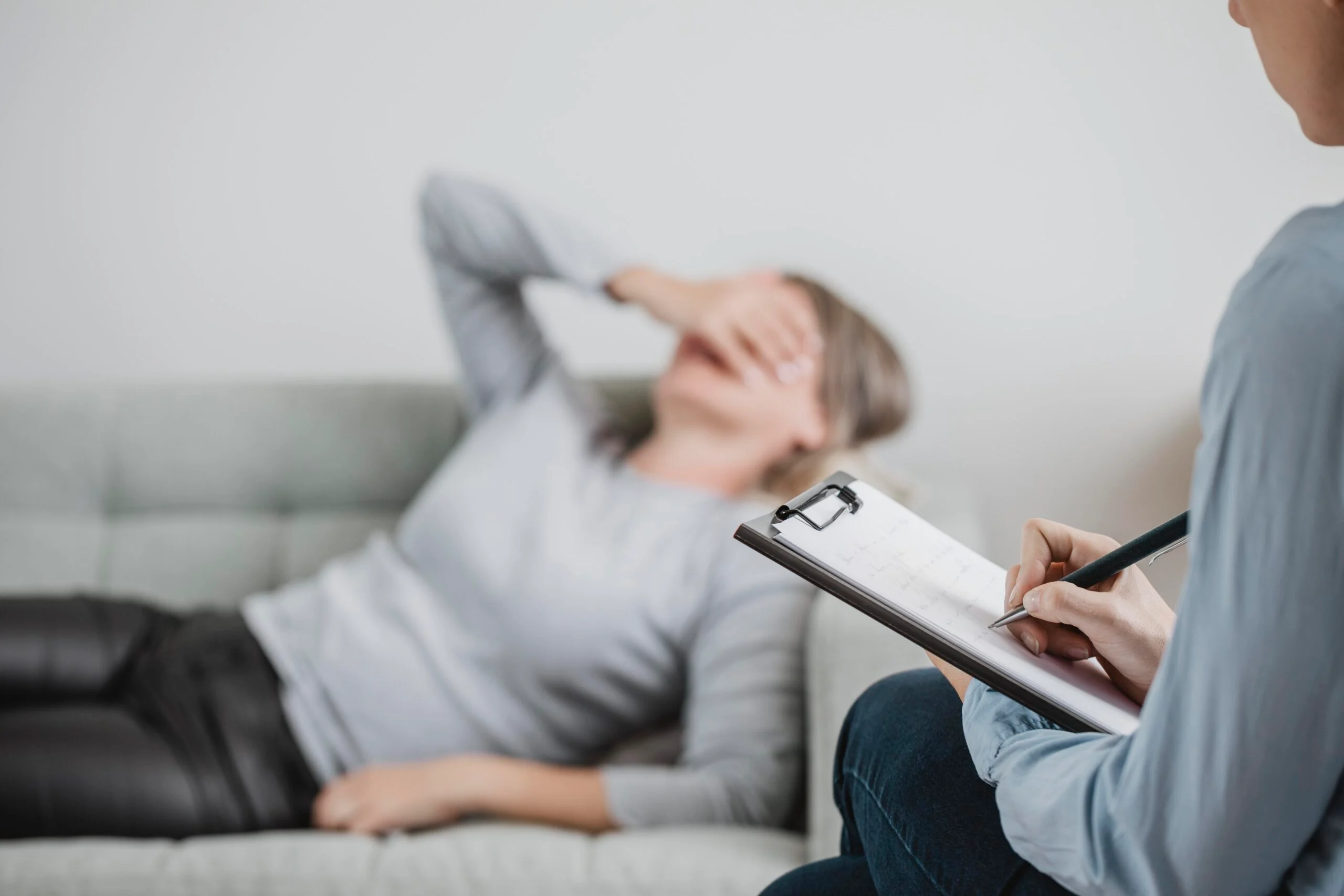
Stress and anxiety are part of life, but when they become overwhelming, they can negatively impact your mental, emotional, and physical well-being. Learning how to manage and cope with these conditions in a healthy way is crucial to maintaining overall health and achieving a balanced life. At Calm Minds Hub, we believe in providing evidence-based strategies that are both practical and accessible to help individuals cope with Stress and anxiety in healthier, more productive ways.
In this article, we will explore different coping strategies that can help alleviate stress and anxiety, from lifestyle changes and relaxation techniques to mental health support and healthy habits. By understanding the causes and effects of stress and anxiety, you can better equip yourself with the tools needed to manage these challenges effectively and lead a more peaceful life.
Understanding Stress and Anxiety
Before diving into how to cope with stress and anxiety, it’s important to understand what they are and how they affect the body and mind.
What is Stress?
Stress is a natural response to external pressures, challenges, or demands. When faced with stressors, such as work deadlines, family concerns, or financial difficulties, the body releases stress hormones like cortisol and adrenaline. These hormones prepare the body for “fight or flight,” increasing heart rate, alertness, and energy. In small doses, stress can be helpful—it motivates you to take action and meet demands.
However, prolonged or excessive stress can have negative consequences on both physical and mental health. Chronic stress can weaken the immune system, increase the risk of heart disease, and contribute to digestive problems, sleep disturbances, and anxiety.
What is Anxiety?
Anxiety, unlike stress, is a prolonged feeling of unease, fear, or worry. While stress is often linked to specific external triggers, anxiety tends to persist even in the absence of immediate danger. Anxiety is often characterized by constant worry, excessive fear of the unknown, and a sense of dread or panic. It can manifest in both emotional and physical symptoms, including restlessness, rapid heartbeat, shortness of breath, and irritability.
While stress and anxiety share common physical symptoms, anxiety tends to be more generalized and may lead to long-term mental health problems, including depression and panic attacks, if not addressed.
The Importance of Coping with Stress and Anxiety
Coping with stress and anxiety is essential because when left unchecked, these conditions can lead to more serious health issues. Chronic stress and anxiety can contribute to:
- Physical health problems: Heart disease, digestive issues, headaches, and fatigue.
- Mental health problems: Depression, mood swings, burnout, and panic attacks.
- Relationship difficulties: Increased irritability, withdrawal, and difficulty communicating effectively.
- Decreased productivity: Trouble concentrating, procrastination, and diminished performance at work or school.
Managing stress and anxiety through healthy coping mechanisms not only reduces the immediate negative effects but also contributes to long-term mental and physical well-being.
Healthy Ways to Cope with Stress and Anxiety
Now that we understand the impact of stress and anxiety, let’s explore effective strategies for managing these conditions in a healthy and sustainable way.
1. Practice Mindfulness and Meditation
Mindfulness and meditation are two powerful tools for managing stress and anxiety. These practices help you focus on the present moment, letting go of the worry and fear that often fuel stress and anxiety. Mindfulness encourages acceptance of your current state without judgment, while meditation helps you relax your mind and body.
- Mindfulness exercises: These can include paying attention to your breath, noticing physical sensations in your body, or observing your thoughts without getting caught up in them.
- Meditation techniques: Guided meditation, body scan meditations, or simply focusing on a calming sound can help bring you into a relaxed state.
Regular practice of mindfulness and meditation can lead to reduced stress and anxiety, improved emotional regulation, and increased overall well-being.
2. Exercise Regularly
Physical activity is one of the best ways to combat stress and anxiety. Exercise helps release endorphins—chemicals in the brain that promote happiness and relaxation. It also reduces the production of stress hormones, helping to balance your physical and emotional state.
- Aerobic exercises such as jogging, swimming, or cycling are particularly effective in reducing anxiety and stress.
- Yoga and Pilates can help reduce tension in the body, improve flexibility, and promote a sense of calm.
- Strength training can also provide mental benefits by improving self-esteem and confidence.
Aim to engage in some form of physical activity every day. Even a simple 30-minute walk can make a significant difference in your stress levels.
3. Focus on Nutrition
What you eat plays a significant role in how your body and mind respond to stress and anxiety. A poor diet, rich in processed foods and high in sugar, can exacerbate feelings of anxiety and stress. On the other hand, a balanced and nutritious diet can help stabilize mood and improve energy levels.
- Magnesium-rich foods such as spinach, almonds, and avocados can help reduce anxiety.
- Omega-3 fatty acids, found in fish like salmon, are known to help regulate mood and reduce anxiety.
- Complex carbohydrates like whole grains and vegetables can help maintain balanced blood sugar levels, preventing mood swings.
Drinking plenty of water and limiting caffeine and alcohol consumption are also important steps to support your emotional health.

4. Get Enough Sleep
Sleep and stress are closely linked. When you are stressed or anxious, your sleep quality often deteriorates, which can, in turn, exacerbate stress and anxiety. Establishing a healthy sleep routine is one of the most effective ways to cope with these conditions.
- Set a regular sleep schedule: Go to bed and wake up at the same time every day to regulate your body’s internal clock.
- Create a calming bedtime routine: Engage in activities like reading, listening to calming music, or practicing relaxation techniques before bed.
- Limit screen time before bed: Avoid screens such as phones, tablets, and computers at least an hour before bedtime, as the blue light emitted can interfere with sleep.
Prioritizing sleep is a crucial part of managing stress and anxiety.
5. Build Strong Social Connections
Social support is vital when coping with stress and anxiety. Having a strong network of friends, family, or peers can provide emotional relief and reduce feelings of isolation. Talking to someone you trust about your stressors can help you gain perspective and release pent-up emotions.
- Join support groups: Many online and in-person support groups are available for individuals coping with stress and anxiety. Sharing experiences and hearing others’ stories can be comforting and validating.
- Engage in social activities: Spend time with loved ones, engage in community events, or participate in group activities that help foster a sense of connection and belonging.
Remember that seeking help is a sign of strength, not weakness.
6. Practice Cognitive Behavioral Therapy (CBT)
Cognitive Behavioral Therapy (CBT) is a well-established therapeutic approach for managing stress and anxiety. It involves identifying negative thought patterns and replacing them with healthier, more balanced perspectives. CBT helps you challenge irrational thoughts, reduce worry, and learn new coping strategies.
You can work with a therapist to explore CBT techniques, or you can engage in self-help CBT programs that provide structured exercises to identify and alter harmful thought patterns.
7. Set Boundaries and Manage Your Time
Stress often arises from feeling overwhelmed by responsibilities, commitments, and expectations. Learning to set boundaries and manage your time effectively can significantly reduce stress levels.
- Prioritize tasks: Focus on completing the most important tasks first, and break large projects into smaller, more manageable steps.
- Learn to say no: Recognize when you are taking on too much and be assertive in declining additional responsibilities if they will compromise your well-being.
- Delegate: Don’t be afraid to ask for help when needed. Sharing responsibilities can help lighten your load and reduce stress.
Setting clear boundaries allows you to regain control over your life, preventing burnout and promoting a balanced lifestyle.
8. Engage in Creative Outlets
Creative activities like painting, writing, playing music, or crafting can provide an effective outlet for stress and anxiety. These activities allow you to focus on the present moment and express your emotions in a healthy way.
- Journaling: Writing about your thoughts and feelings can help you process emotions and gain clarity.
- Artistic endeavors: Engaging in creative hobbies can promote relaxation and help release emotional tension.
Making time for creative outlets provides a break from the demands of daily life, allowing your mind to rest and recharge.
9. Seek Professional Help When Needed
While self-care and healthy habits are crucial, there may be times when stress and anxiety become overwhelming. If your symptoms persist or interfere with your daily functioning, seeking professional help is an important step. A licensed therapist or counselor can provide tailored guidance and therapeutic support to help you manage stress and anxiety.
In some cases, medication may be prescribed to help alleviate symptoms, particularly if anxiety is severe or chronic.
Conclusion
Coping with stress and anxiety in a healthy way requires commitment, patience, and self-compassion. By incorporating these strategies into your life, you can manage stress and anxiety more effectively and improve your mental, emotional, and physical well-being. Remember that it’s okay to seek help when needed and that everyone’s journey to managing stress and anxiety is unique.
Prioritizing self-care, maintaining healthy habits, and reaching out for support are key steps to living a balanced and fulfilling life, free from the overwhelming effects of stress and anxiety. By taking proactive steps today, you are investing in your long-term health and happiness. Go back to the homepage to explore a wide range of topics.
FAQs
What are the main causes of stress and anxiety?
Stress and anxiety can be triggered by various factors, such as work-related pressures, financial difficulties, health problems, relationship challenges, or traumatic experiences. They can also be caused by ongoing negative thinking patterns or a lack of coping mechanisms.
Can stress and anxiety be prevented?
While it may not be possible to completely prevent stress and anxiety, practicing regular self-care, maintaining healthy relationships, and developing effective coping strategies can reduce their impact and prevent them from becoming chronic issues.
When should I seek professional help for stress or anxiety?
If stress or anxiety is interfering with your daily life, relationships, or ability to function effectively, it may be time to seek professional help. A mental health professional can help you identify the underlying causes and develop tailored coping strategies to manage these conditions more effectively.
Contact Us:
Name: Calm Minds Hub
Address: London Eye, Riverside Building, County Hall, Westminster Bridge Rd, London SE1 7PB, United Kingdom
Website: https://calmmindshub.com/