Understanding the Importance of Gmail Countdown Timer
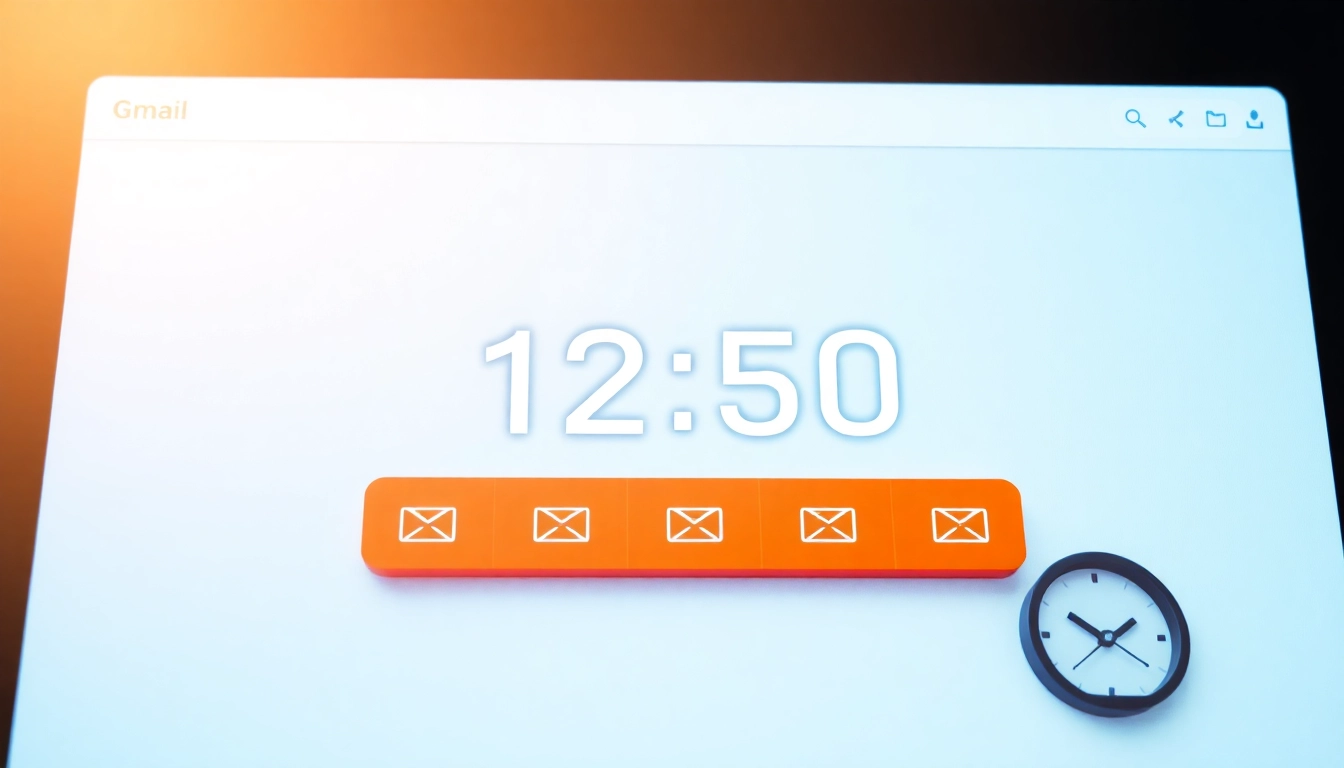
In the fast-paced world of digital communication, capturing the attention of your audience has become more crucial than ever. One incredibly effective way to achieve this in your email marketing campaigns is through the use of a gmail countdown timer. This feature not only adds visual interest to your emails but also instills a sense of urgency that can significantly boost engagement and conversion rates. In this article, we’ll explore the importance of countdown timers, their benefits, common use cases, and their impact on engagement rates.
Benefits of Using a Countdown Timer
Countdown timers are not merely visual elements; they are powerful tools that drive action from your audience. Here are some core benefits:
- Creates Urgency: By displaying a ticking clock, you motivate readers to act swiftly, be it making a purchase, signing up for an event, or taking advantage of a limited-time offer.
- Enhances Engagement: Emails featuring countdown timers typically see higher open and click-through rates. This is largely due to their eye-catching design and the urgency they convey.
- Improves Conversion Rates: When prospects see a deadline, they are more likely to convert, particularly in promotional campaigns. Timers can lead to increased sales during special offers or events.
- Personalizes Communication: With the ability to tailor countdowns to specific products, events, or campaigns, you can create a personalized experience for your audience that resonates with their interests.
Common Use Cases for Email Campaigns
The versatility of countdown timers makes them suitable for various email campaign types:
- Product Launches: Create excitement around the launch of a new product by counting down to the release date.
- Seasonal Promotions: Whether it's Black Friday, Cyber Monday, or holiday sales, countdowns can motivate customers to take action before the offer expires.
- Event Reminders: For webinars, conferences, or in-person events, countdown timers alert participants about registration deadlines or event start times.
- Flash Sales: Use a countdown timer to promote limited-time offers, encouraging immediate purchases by showing how much time is left.
How Countdown Timers Impact Engagement Rates
Research has shown that urgency can significantly change behavior. Emails with countdown timers can increase open rates by as much as 20% and boost click-through rates by over 30%. These figures highlight the psychological impact of urgency. When recipients see a countdown, they subconsciously register the potential of missing out, which can compel them to interact with your content more than they would otherwise.
Setting Up Your Gmail Countdown Timer
The process of integrating a countdown timer into your Gmail emails is straightforward and can be accomplished in just a few steps. Below, we will outline a step-by-step guide, as well as explore best practices and customization options.
Step-by-Step Guide to Inserting Timers
- Choose Your Countdown Timer Generator: Before you can insert a timer, choose an online generator. Many options allow you to create timers that can be embedded in emails, such as Sendtric, CountdownMail, or MailTimers.
- Customize Your Timer: Input your desired end date and time. Many generators let you choose designs and formats for how the timer will appear.
- Retrieve the HTML Code: Once you’ve designed your timer, click the button to generate your timer. The generator will provide you with HTML code to copy.
- Open Gmail: Log in to your Gmail account and click 'Compose' to start a new email or reply to an existing one.
- Insert the Timer: Click on the “Insert Photos” icon in the compose window. Choose the “Web Address (URL)” tab in the insert image dialog and paste the URL of your countdown timer image. Finally, click 'Insert' to add it to your email.
Best Timer Settings for Various Occasions
Selecting the right timer settings can dramatically enhance the effectiveness of your email campaigns. Here are some recommendations based on specific events:
- Product Launch: Set the countdown to the exact launch date and time, including a compelling CTA (Call to Action) like “Be the First to Know!”
- Flash Sale: Choose a short duration, typically between 24 hours to a few days, and emphasize the percentage discounted along with the timer.
- Webinars: Use a timer set to the event time, and cross-promote the registration link in your email body.
- Seasonal Sales: For events such as Christmas, New Year, or Back-to-School, start the timer 1-2 weeks prior to create excitement and urgency.
Customizing Your Countdown Timer Design
A visually appealing countdown timer can elevate your email's aesthetic and maintain brand consistency. Consider customizing the timer’s design elements:
- Colors: Use your brand colors to create a cohesive appearance that reflects your identity.
- Font Styles: Choose clear, bold fonts for easy readability. Fonts should be large enough to attract attention but not so large that they overwhelm your email design.
- Backgrounds: A subtle background behind your timer can help it stand out. Consider transparency or gradient effects that match your overall email theme.
- Mobile-Responsive Design: Ensure your timer looks great on all devices. Test how it appears across desktops and smartphones before launching your campaign.
Advanced Features of Gmail Countdown Timers
After you’ve mastered the basics of adding countdown timers to your Gmail emails, you might want to explore more advanced features that can increase their effectiveness.
Integration with Email Marketing Tools
Many email marketing platforms, such as MailChimp and Constant Contact, offer built-in support for countdown timers. By integrating these tools, you can streamline the process of embedding timers and enhance your email campaigns without extra HTML coding. Here’s how:
- Select an Email Service Provider (ESP): Ensure your ESP supports HTML embedding of countdown timers.
- Create Your Timer in the Platform: Use built-in timer functionalities or import your timer code.
- Segment Your Audience: Employ your service's list-segmentation tools to tailor countdown timers for different demographics or behavior patterns.
- Monitor and Optimize: Use analytics tools provided by your ESP to track performance metrics and refine your approach.
Using HTML to Enhance Timer Functionality
If you're comfortable with HTML, there are numerous ways to enhance your countdown timer beyond standard offerings. Here are some ideas:
- Interactive Features: Add clickable buttons that redirect to your website or product page when the timer reaches zero.
- Dynamic Text: Use code to change the text displayed alongside your timer as the countdown progresses, such as “Hurry!” or “Just hours left!”
- Analytics Tracking: Integrate tracking parameters in your countdown links to monitor click-through rates and conversions.
Measuring the Effectiveness of Your Timers
Tracking the performance of your countdown timers is essential for understanding their impact. Consider the following metrics to gauge effectiveness:
- Open Rates: Compare the open rates of emails with countdown timers versus those without.
- Click-Through Rates (CTR): Monitor how many recipients clicked on your countdown timer link compared to other email elements.
- Conversion Rates: Track how many recipients took the desired action and compare it to historical data from similar campaigns.
- Engagement Metrics: Analyze the amount of time readers spent engaging with your email and the overall response rate.
Common Challenges and Solutions
Even though countdown timers can greatly benefit email marketing campaigns, various challenges may arise. Here we outline some common issues along with their potential solutions.
Technical Issues When Inserting Timers
Sometimes, HTML code can be finicky, causing the timer not to display correctly in your emails. Here are some troubleshooting tips:
- Check Compatibility: Ensure that the email client of your recipients supports HTML and images; the Gmail app generally does, but some may have settings that block them.
- Test Display: Always send test emails to yourself or colleagues first to verify the timer appears and functions correctly across various devices.
- Adjust Code: If you’re using custom HTML, ensure there are no mistakes in the code syntax that could prevent proper rendering.
Overcoming Design Limitations
Another common issue can be the aesthetic integration of the countdown timer within your overall email layout:
- Design Cohesion: Ensure that the colors, fonts, and visuals align with your overall branding for seamless integration.
- Responsive Design: Use media queries to adjust how the timer appears on different device sizes for optimal visual appeal.
FAQ on Gmail Countdown Timer Usage
Addressing common queries can assist users in setting up their countdown timers more efficiently:
- Can I use a free countdown timer? Yes, numerous free online tools provide countdown timer generation.
- How do I change the timer’s end date? You would need to return to your timer generator, adjust the settings, and generate new code.
- Will the timer work on mobile devices? Most countdown timers generated through reputable platforms are mobile responsive, but always test before sending.
Case Studies: Successful Gmail Countdown Timer Campaigns
Examining real-world examples can illuminate how countdown timers have positively impacted campaigns:
Examples of Effective Implementations
Consider the following case studies:
- Email Campaign for a New Product: A tech company launched a new gadget with a countdown timer of one week, prompting 50% more purchases than their previous product launches.
- Seasonal Promotions: An e-commerce brand saw an overall 35% increase in sales during Cyber Week by using countdown timers for flash sales leading up to Black Friday.
- Event Registration: A webinar provider utilized a countdown for early registrations, boosting participant sign-ups by 60% compared to similar previous events.
Lessons Learned from Failure Cases
While many campaigns are successful, some fail to gain traction due to several avoidable errors:
- Improper Timing: A travel agency set a timer too close to a distant holiday, which confused consumers and decreased engagement.
- Overly Complex Design: An online furniture shop used an overly detailed timer, which detracted from the key visual elements of the email, resulting in lower than expected click rates.
Future Trends in Email Countdown Timer Usage
As technology advances, countdown timers are likely to evolve as well:
- Integration with AI: Future countdowns may incorporate AI to personalize marketing strategies based on user behavior and preferences.
- Advanced Interaction Features: Such as live updates displaying stock levels alongside countdowns, creating urgency not just from time constraints but from product availability.