
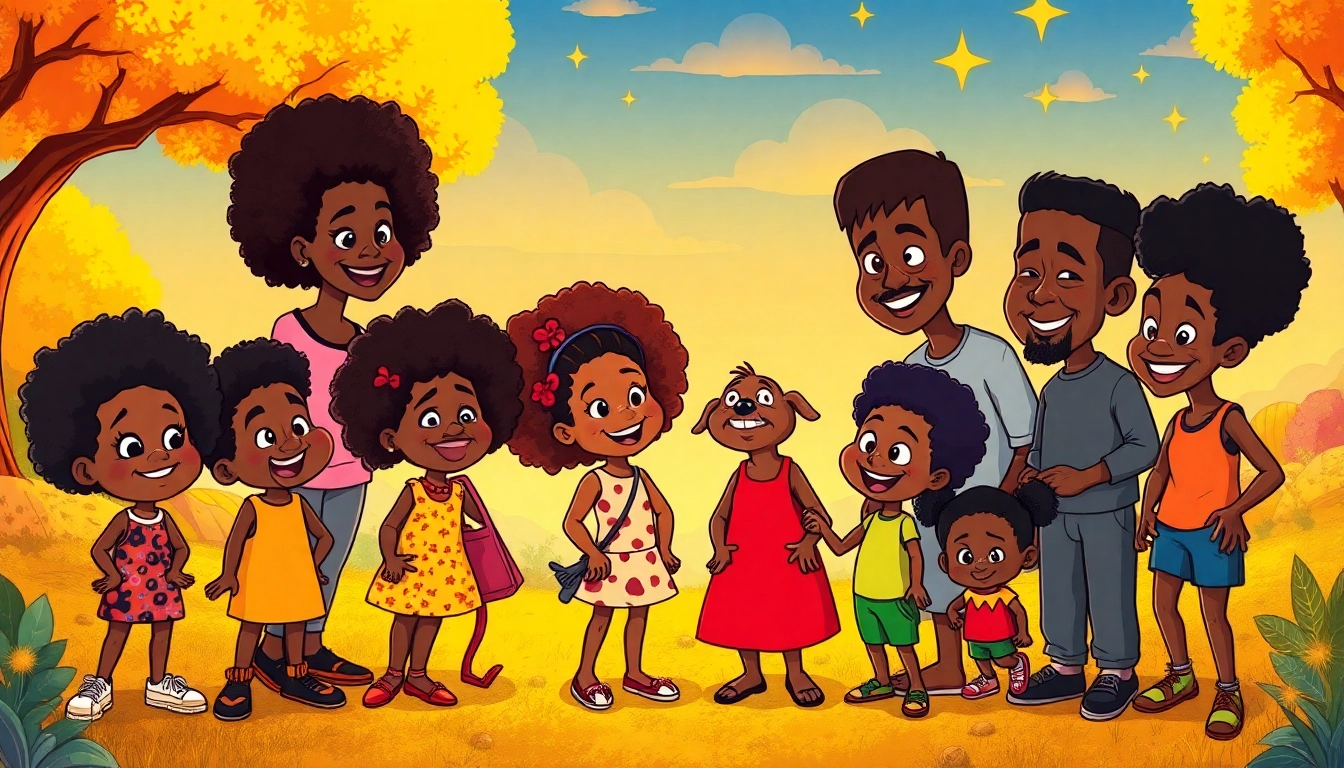
Understanding African American Cartoons
African American cartoons have played a significant role in the evolution of animated entertainment, offering a unique blend of culture, humor, and creativity. This genre not only entertains but also provides representation and reflection of the African American experience. As the animation industry continues to grow, understanding the historical context and the influential figures behind these vibrant narratives is essential for appreciating their impact on society and culture.
The importance of African American Cartoons cannot be overstated. From groundbreaking series that broke cultural barriers to modern-day animations that highlight contemporary issues, these works resonate with diverse audiences while fostering inclusivity and dialogue. In this article, we will explore the history of African American animation, its key figures, and its cultural significance.
1. Historical Context of African American Animation
The history of African American animation dates back to the early 20th century, when black artists and animators began to carve out a niche within the predominantly white animation industry. Notable early works include the Fleischer Studios’ “Bimbo” series and the first African American character in animation, “Coal Black and de Sebben Dwarfs,” which was released in 1943. These works not only entertained but also offered a lens through which audiences could view African American life and culture.
Throughout the decades, African American cartoons evolved significantly, with major milestones occurring during the civil rights movement, which sparked a demand for more authentic representation in media. Series like “Fat Albert and the Cosby Kids,” created by Bill Cosby in the 1970s, brought relatable stories to life, addressing issues faced by African American youth.
2. Key Figures in the Industry
Several influential figures have paved the way for African American representation in animation. One such pioneer is Floyd Norman, the first African American animator at Disney, who contributed to classics like “The Jungle Book” and “Sleeping Beauty.” His work not only showcased his talent but also laid the groundwork for future generations of animators.
Another notable figure is Aaron McGruder, creator of “The Boondocks,” a series that challenged societal norms with its sharp satire and commentary on race and culture. McGruder’s influence is evident in the way modern cartoons address complex themes, making them more relatable and impactful for younger audiences.
3. Impact on Culture and Society
The impact of African American cartoons extends beyond entertainment; they serve as cultural touchstones that help to shape societal perceptions of race and identity. Cartoons such as “The Proud Family” and “Doc McStuffins” not only entertain but also educate viewers about important themes like family dynamics, healthcare, and diversity.
Moreover, these cartoons have fostered a sense of identity and pride among African American audiences, allowing them to see themselves represented in a medium that has historically sidelined their experiences. The success of these shows has also prompted discussions about inclusivity in media, pushing for greater diversity across all forms of entertainment.
Top African American Cartoons to Watch in 2026
As we look ahead to 2026, several African American cartoons stand out, showcasing the creativity and talent of their creators. This section highlights both classics that continue to resonate with audiences as well as new releases that are making waves in the animation industry.
1. Classics that Shaped Generations
Classic shows like “The Boondocks,” “Fat Albert and the Cosby Kids,” and “The Proud Family” have left an indelible mark on the animation landscape. These series not only entertained but also introduced critical social issues to mainstream audiences, making them essential viewing for both children and adults alike.
- The Boondocks: Known for its incisive social commentary and humor, this series follows two African American boys navigating life in a predominantly white suburb.
- Fat Albert and the Cosby Kids: This beloved classic created by Bill Cosby features relatable stories about friendship, community, and growing up.
- The Proud Family: With its focus on family values and addressing social issues, this show remains a favorite for many audiences.
2. New Releases and Streaming Options
In 2026, viewers can look forward to new entries in the realm of African American animation. Upcoming series such as “Dino Ranch” and “The Amazing World of Gumball” continue to push boundaries, offering fresh perspectives and diverse characters.
Streaming platforms have also embraced African American cartoons, providing easy access to a wider audience. Services like Netflix, Hulu, and Disney+ feature a growing catalog of animated shows that reflect African American voices and stories.
3. Underrepresented Gems and Hidden Treasures
While many popular African American cartoons have received acclaim, there are countless underrepresented gems and hidden treasures waiting to be discovered. Shows like “Craig of the Creek” and “Proud Family: Louder and Prouder” offer unique storytelling elements and diverse characters that are often overlooked.
- Craig of the Creek: This series follows a young boy and his friends as they explore the wilderness of their suburban neighborhood, showcasing friendship and adventure.
- Proud Family: Louder and Prouder: A continuation of the original series, this show addresses contemporary issues while maintaining its heartwarming humor.
Character Development in African American Animation
The development of characters in African American cartoons reflects a broader shift toward inclusivity and authenticity in storytelling. The importance of representation cannot be overstated, as diverse characters serve as role models for young audiences and illustrate the rich tapestry of human experience.
1. Importance of Representation
Representation matters significantly in animation, as it shapes how children perceive themselves and others. Characters like Doc McStuffins, an African American girl who aspires to be a doctor, and the Freemans from “The Boondocks” offer diverse role models that challenge stereotypes.
2. Iconic Characters and Their Influences
Iconic characters such as Huey and Riley Freeman from “The Boondocks” and Penny Proud from “The Proud Family” have left lasting impressions on viewers. They tackle social issues, family dynamics, and personal growth, making them relatable and influential figures in animation.
3. Development Trends in 2026
As we move further into 2026, trends in character development reflect an increasing focus on depth and complexity. Today’s animated characters are multifaceted, with stories that resonate across age groups and cultural backgrounds. The emphasis on diversity within storytelling has led to a richer narrative experience, allowing for a greater exploration of identity and culture.
How African American Cartoons Influence Younger Audiences
African American cartoons play a vital role in shaping the values and perspectives of younger viewers. Through humor, storytelling, and relatable characters, these shows provide meaningful lessons that extend beyond the screen.
1. Educational Themes and Values
Many African American cartoons incorporate educational themes, promoting values such as empathy, teamwork, and respect for diversity. Programs that highlight social issues, like “Sesame Street,” offer children the opportunity to engage with complex topics in an age-appropriate manner.
2. Encouraging Diversity and Inclusion
By showcasing diverse characters and narratives, African American cartoons foster an environment of inclusivity. They encourage young viewers to appreciate differences and embrace their unique identities, contributing positively to societal dynamics.
3. Viewer Engagement Strategies
Animation studios are increasingly employing viewer engagement strategies to connect with younger audiences. Interactive elements, social media presence, and community outreach programs help build a strong relationship between fans and the content they consume, further enhancing the impact of these cartoons.
The Future of African American Cartoons
Looking into the future of African American cartoons, we can expect exciting developments that will shape the animation landscape. Emerging trends and technological advancements promise to enhance storytelling and representation in ways never before seen.
1. Emerging Trends in Animation Styles
As animation technology continues to evolve, new styles and techniques are emerging that allow creators to experiment with visual storytelling. From 3D animation to mixed media, these innovations provide fresh avenues for creativity and exploration within African American narratives.
2. Predictions for the Next Decade
In the next decade, we anticipate a further expansion of African American representation in animation. As audiences demand more authentic stories, creators will likely continue to push boundaries, leading to a greater variety of shows that showcase the richness of African American culture.
3. The Role of Technology in Animation
Technology is transforming the animation industry, enabling greater collaboration and creativity among artists. As tools become more accessible, we can expect an influx of new voices and stories that illuminate the African American experience, ensuring its continued relevance in popular culture.