
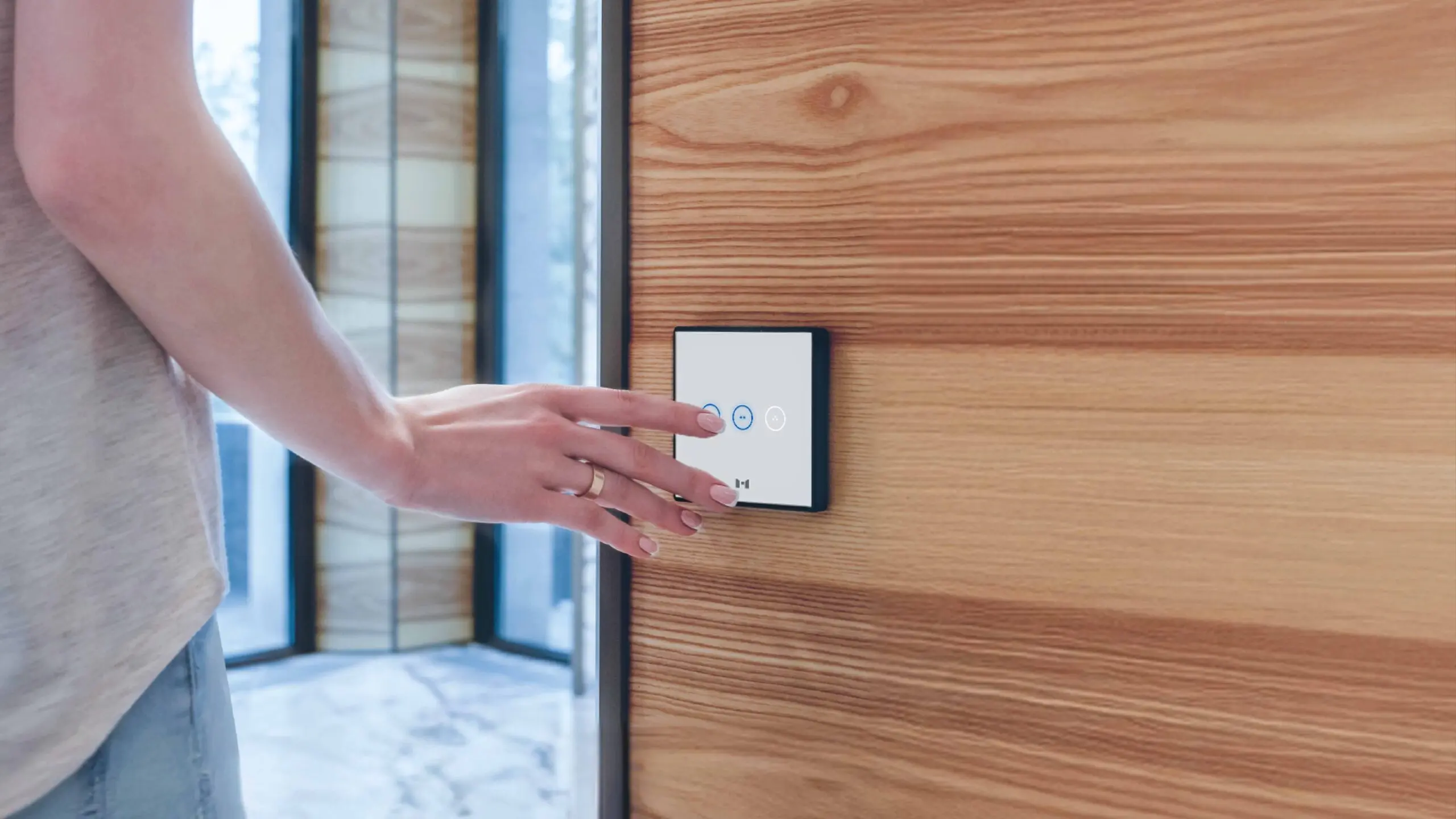
In an era where digital transformation is reshaping how people live, a Smart Home has emerged as a cornerstone of modern residential security. Homeowners today are no longer limited to basic alarms or standalone cameras. Instead, they can deploy interconnected smart home devices that work together to detect threats, prevent intrusions, and provide real-time visibility into what is happening inside and around their property. These devices do not simply react to incidents; they actively expand your home security by creating intelligent layers of protection that adapt to your habits and surroundings.
- The Evolution of Smart Home Security Devices
- Smart Locks as the Foundation of Home Security
- Smart Cameras That Extend Visual Protection
- Motion Sensors That Detect Threats Early
- Door and Window Sensors for Entry Protection
- Smart Lighting That Enhances Safety and Deterrence
- Smart Doorbells That Redefine Front Door Security
- Smart Alarms and Sirens for Immediate Response
- Environmental Sensors That Protect Beyond Intrusions
- Smart Home Integration Platforms That Tie Everything Together
- Network Security as a Critical Component
- How Smart Home Devices Work Together to Expand Security
- Planning a Smart Home Security Expansion
- Long-Term Benefits of Expanding Security With Smart Home Devices
- Conclusion
- FAQs
The Evolution of Smart Home Security Devices
Home security has undergone a dramatic evolution over the past decade. What once relied on manual locks and loud sirens has now transformed into a sophisticated smart home ecosystem capable of predictive monitoring and automated responses.
From Standalone Alarms to Intelligent Systems
Traditional alarm systems were designed to alert homeowners after a breach occurred. Smart home security devices, on the other hand, focus on prevention and early detection. By combining sensors, cameras, and automation, these systems identify unusual activity before it escalates into a serious threat.
The Role of Connectivity in Modern Security
Connectivity is at the heart of every smart home. Devices communicate through secure networks, sharing data and triggering actions across the system. This interconnected approach allows a single event, such as motion detection, to activate multiple responses that collectively enhance security.
Why Expansion Matters in Home Protection
Expanding home security is not about adding more devices randomly. It is about building a layered defense where each smart home device strengthens the overall system. Expansion ensures coverage across entry points, interior spaces, and environmental risks, creating comprehensive protection.
Smart Locks as the Foundation of Home Security
Smart locks are often the first step in expanding smart home security. They redefine access control by replacing traditional keys with digital authorization.
Advanced Access Management
Smart locks allow homeowners to manage who enters their property and when. Temporary access codes, scheduled permissions, and remote locking provide greater control than physical keys ever could. This capability is especially valuable for families, service providers, and short-term guests.
Activity Tracking and Alerts
One of the most powerful features of smart locks within a smart home is activity tracking. Homeowners can receive notifications whenever a door is locked or unlocked, ensuring complete visibility over access events.
Integration With Broader Smart Home Systems
When integrated into a smart home ecosystem, smart locks trigger automation that enhances security. Unlocking the door can disarm alarms, adjust lighting, or notify homeowners, creating a seamless and secure entry experience.
Smart Cameras That Extend Visual Protection
Smart cameras are among the most impactful smart home devices for expanding home security. They provide eyes on your property at all times.
Indoor Cameras for Interior Monitoring
Indoor smart cameras help monitor high-traffic areas, hallways, and common spaces. These devices allow homeowners to verify alerts from sensors and maintain awareness of activity inside the home.
Outdoor Cameras for Perimeter Security
Outdoor smart cameras extend protection beyond walls and doors. They monitor driveways, entrances, and yards, acting as both a deterrent and an evidence-gathering tool. High-definition video and night vision ensure reliable coverage in all conditions.
Intelligent Features That Improve Effectiveness
Modern smart home cameras include motion detection, facial recognition, and two-way audio. These features transform cameras from passive recorders into active security devices capable of real-time interaction and alerts.
Motion Sensors That Detect Threats Early
Motion sensors play a critical role in expanding smart home security by identifying movement where it should not occur.
Strategic Placement for Maximum Coverage
Proper placement ensures motion sensors detect intrusions without triggering false alarms. Hallways, staircases, and entry points are ideal locations within a smart home security setup.
Custom Sensitivity and Zones
Smart motion sensors allow homeowners to customize sensitivity and define detection zones. This flexibility ensures reliable detection while minimizing unnecessary alerts.
Coordinated Responses Through Automation
When motion sensors are integrated into a smart home system, detection can trigger cameras, lighting, and alarms simultaneously. This coordinated response significantly improves reaction time and deterrence.
Door and Window Sensors for Entry Protection
Doors and windows are common targets for intruders. Smart sensors specifically designed for these entry points expand security by monitoring every opening.
Instant Alerts for Unauthorized Access
Door and window sensors notify homeowners immediately when an entry point is opened unexpectedly. These alerts allow for rapid assessment and response.
Integration With Smart Home Alarms
Within a smart home ecosystem, these sensors work alongside alarms and cameras. Opening a protected door or window can activate sirens, start recording, and notify authorities if configured.
Enhancing Security Without Intrusion
Smart sensors are discreet and unobtrusive, making them ideal for homeowners who want strong security without visible hardware dominating their living space.

Smart Lighting That Enhances Safety and Deterrence
Lighting is often underestimated as a security tool, yet smart lighting is a powerful addition to any smart home security strategy.
Automated Lighting for Intrusion Deterrence
Automated lights that activate when motion is detected can startle intruders and draw attention to suspicious activity. Well-lit properties are less likely to be targeted.
Simulated Occupancy for Added Protection
Smart home lighting can follow schedules that simulate occupancy when homeowners are away. This feature creates the appearance of activity, reducing the risk of break-ins.
Integration With Cameras and Sensors
When combined with cameras and sensors, smart lighting improves visibility and recording quality. This integration ensures clear footage and safer navigation during nighttime events.
Smart Doorbells That Redefine Front Door Security
Smart doorbells have become essential smart home devices for expanding home security at the primary entry point.
Real-Time Visitor Monitoring
Smart doorbells provide live video feeds of visitors, allowing homeowners to see and communicate with anyone at the door, regardless of their location.
Motion Detection Beyond Button Presses
Advanced smart doorbells detect motion even when the doorbell is not pressed. This feature ensures that suspicious activity near the entrance does not go unnoticed.
Seamless Integration With Smart Home Systems
As part of a smart home ecosystem, doorbells can trigger recordings, lighting, and alerts, creating a secure and responsive front door experience.
Smart Alarms and Sirens for Immediate Response
Alarms remain a vital component of home security, and smart alarms elevate their effectiveness through connectivity and automation.
Intelligent Alarm Triggers
Smart alarms respond to data from multiple devices, reducing false alarms and improving accuracy. For example, alarms may activate only when both motion and entry sensors detect activity.
Remote Control and Monitoring
Smart home alarms can be armed or disarmed remotely, providing flexibility and peace of mind. Notifications ensure homeowners are always informed of system status.
Integration With Emergency Services
Some smart home security systems allow direct integration with emergency services, ensuring rapid response during critical incidents.
Environmental Sensors That Protect Beyond Intrusions
Security is not limited to preventing break-ins. Smart home devices also protect against environmental threats that can cause serious damage.
Smoke and Fire Detection
Smart smoke detectors provide real-time alerts and can integrate with other smart home devices to unlock doors or turn on lights during emergencies.
Carbon Monoxide Monitoring
Carbon monoxide sensors protect occupants from invisible dangers. Integration ensures alerts are sent instantly, even when homeowners are away.
Water Leak Detection for Property Protection
Water leak sensors detect leaks early, preventing costly damage. These devices expand smart home security by safeguarding both safety and property value.
Smart Home Integration Platforms That Tie Everything Together
The true power of smart home devices lies in integration. Platforms that unify devices ensure cohesive and effective security.
Centralized Control and Visibility
A unified platform provides a single interface to monitor all smart home security devices. This centralized view simplifies management and enhances situational awareness.
Custom Automation Scenarios
Integration platforms allow homeowners to create complex automation scenarios. For example, detecting motion at night can lock doors, turn on lights, and activate cameras simultaneously.
Scalability for Future Expansion
A robust smart home platform supports additional devices as security needs evolve. Scalability ensures long-term value and adaptability.
Network Security as a Critical Component
Smart home devices rely on digital networks, making cybersecurity an essential part of home protection.
Securing Device Communication
Encryption and secure protocols protect data exchanged between smart home devices. Strong network security prevents unauthorized access and system manipulation.
Regular Updates and Maintenance
Firmware updates address vulnerabilities and improve performance. Maintaining up-to-date smart home devices is critical for sustained security.
Network Segmentation for Added Safety
Separating smart home devices from personal devices reduces risk and limits potential breaches.
How Smart Home Devices Work Together to Expand Security
The strength of a smart home security system lies in collaboration. Each device contributes to a broader protective strategy.
Layered Defense Through Device Collaboration
Smart locks, cameras, sensors, and alarms create multiple layers of defense. This layered approach ensures that even if one component fails, others continue to protect the home.
Data-Driven Insights and Learning
Smart home systems analyze activity patterns to improve accuracy over time. This learning capability reduces false alerts and enhances threat detection.
Real-Time Awareness and Control
With remote access and instant alerts, homeowners maintain control over their security environment at all times.
Planning a Smart Home Security Expansion
Expanding home security with smart home devices requires thoughtful planning and execution.
Assessing Current Security Gaps
Understanding existing vulnerabilities guides device selection and placement. A targeted approach ensures efficient expansion.
Prioritizing High-Impact Devices
Not all devices deliver equal value. Prioritizing smart locks, cameras, and sensors provides the greatest immediate security benefits.
Balancing Security and Convenience
An effective smart home security setup enhances protection without disrupting daily life. User-friendly interfaces and automation maintain this balance.
Long-Term Benefits of Expanding Security With Smart Home Devices
Investing in smart home security delivers value beyond immediate protection.
Increased Peace of Mind
Knowing your home is continuously monitored and protected provides confidence and comfort.
Improved Property Value and Appeal
Smart home security features enhance property appeal, making homes more attractive to buyers and renters.
Adaptability to Future Needs
As technology evolves, smart home devices can be upgraded and expanded, ensuring lasting relevance and effectiveness.
Conclusion
Smart home devices have fundamentally changed how homeowners approach security. By expanding protection through smart locks, cameras, sensors, lighting, and integrated platforms, a smart home creates a dynamic and intelligent defense system. These devices work together to detect threats early, respond automatically, and provide real-time awareness regardless of location. When planned strategically and maintained properly, a smart home security setup delivers comprehensive protection, long-term value, and unmatched peace of mind. Tap into deeper knowledge by returning to our core platform homepage.
FAQs
How do smart home devices improve overall home security?
Smart home devices improve security by working together as an interconnected system. They provide real-time monitoring, automation, and alerts that detect and respond to threats faster than traditional systems.
Are smart home security devices difficult to manage?
Most smart home security devices are designed with user-friendly interfaces and centralized control platforms. Once configured, they are easy to manage and can be automated to reduce manual effort.
Can smart home devices be added gradually to an existing setup?
Yes, one of the advantages of a smart home ecosystem is scalability. Homeowners can start with essential devices and expand their security system over time as needs and budgets allow.