Understanding the Chest of Drawers
What is a Chest of Drawers?
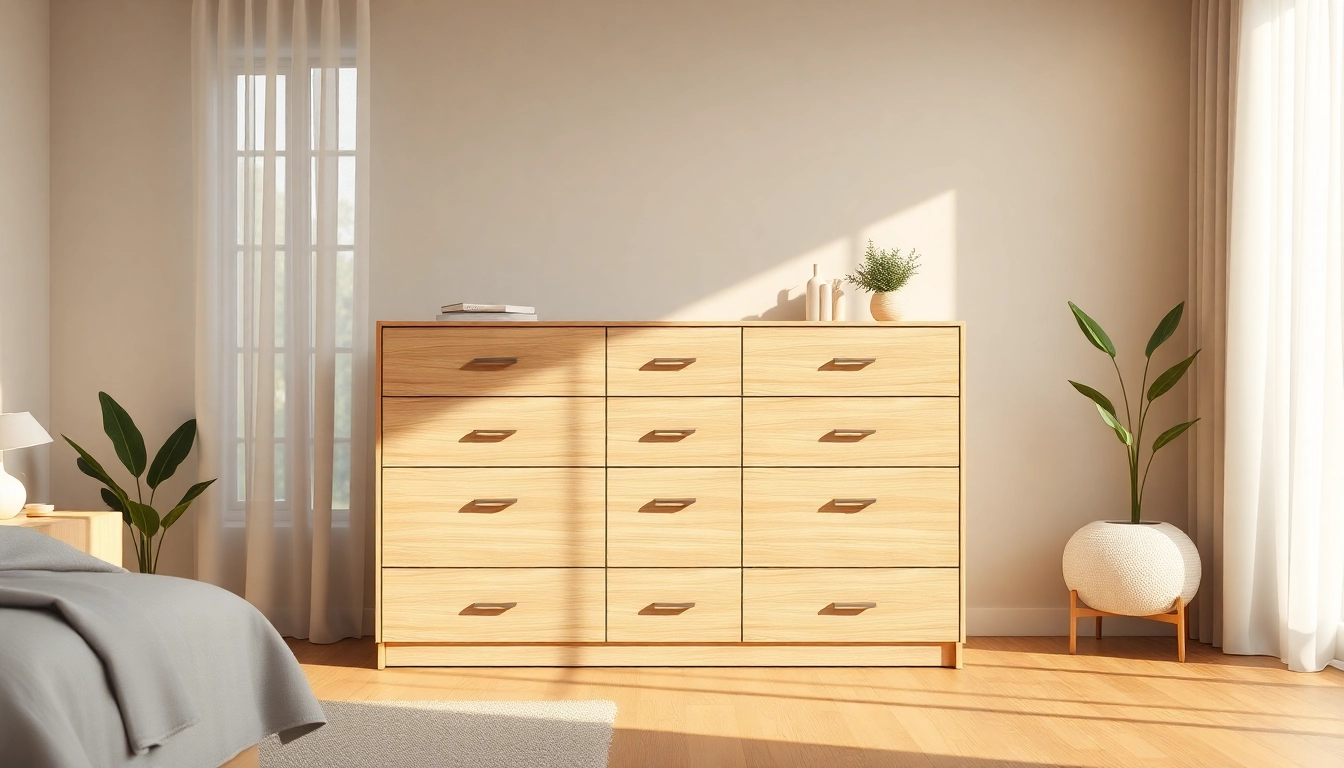
A chest of drawers is a piece of furniture typically used for storing clothing, accessories, and other personal items. Characterized by its multiple horizontal drawers, a chest of drawers is usually taller and narrower than a dresser, making it an efficient storage option for various spaces, especially bedrooms. The top surface of the chest may also be used for decorative items or additional storage needs.
Common Features and Sizes
Chests of drawers come in a variety of configurations, styles, and sizes, catering to different needs and aesthetic preferences. Standard sizes can range from small, compact units with two to four drawers for tight spaces, to larger models featuring six or more drawers designed for more extensive storage. Features often include:
- Material Choices: Available in wood, metal, and engineered materials, often finished with varnishes or paints.
- Drawer Types: Can include shallow drawers for smaller items and deeper ones for bulkier pieces, some may even have pull-out shelves or built-in dividers.
- Style Variations: From modern minimalist designs to ornate, vintage styles, catering to both contemporary and classic decors.
- Functional Features: Some chests may come equipped with locking mechanisms, hidden compartments, or soft-close drawer functionality.
Differences Between Dressers and Chests of Drawers
While the terms ‘dresser’ and ‘chest of drawers’ are often used interchangeably, they do have distinct characteristics:
- Size: Dressers are generally wider and shorter, offering more surface area for placing items such as a mirror or decorative objects. In contrast, chests of drawers are typically taller and narrower, emphasizing vertical storage.
- Functionality: Dressers often serve dual purposes, acting as a surface for display and storage. Chests of drawers prioritize efficient storage of clothing and accessories without the added surface space.
- Drawer Arrangement: Dressers usually feature fewer, larger drawers, often accompanied by smaller drawers for accessories. Chests of drawers, however, maximize vertical space, often incorporating many narrow drawers for a more extensive collection of items.
Choosing the Right Chest of Drawers for Your Space
Assessing Your Storage Needs
Before choosing a chest of drawers, it’s essential to assess your storage needs. Begin by taking inventory of the items you plan to store. Are you primarily organizing clothing, or do you need to also accommodate accessories, linens, or other household items? Consider what categories of items require storage, the approximate volume of these items, and how frequently you’ll access them. For example, frequently used items might benefit from being placed in top drawers for easier access, while less frequently used items could be stored in lower drawers.
Considering Style and Design
Choose a chest of drawers that complements the overall style of your room. Furniture should not only function well but also align with your aesthetic preferences. Consider how the colors, textures, and shapes will fit within your space:
- Modern Styles: Clean lines with minimalistic designs, often characterized by neutral tones and sleek finishes.
- Traditional Designs: Features intricate details, classic finishes, and sometimes an antique appearance.
- Eclectic Options: Bold colors or unique patterns that stand out and add character to your space.
Material Options for Durability and Aesthetics
Material choice plays a vital role in both durability and appearance. Common materials include:
- Solid Wood: Highly durable and often features beautiful grain patterns, suitable for long-term investment.
- Engineered Wood: A cost-effective alternative that offers stability and design flexibility, while often mimicking the look of solid wood.
- Metal: A modern choice that is both stylish and incredibly durable, often used in contemporary design settings.
Placement Tips for Optimal Use
Best Locations in Your Home
The placement of a chest of drawers can significantly impact the functionality of your room. Here are some popular locations for optimal use:
- Bedroom: The most common location, providing easy access to clothing and personal items.
- Entryway: A stylish option for an entryway, where it can serve as storage for shoes and outerwear.
- Living Room: When placed in a living room, a chest of drawers can store blankets, remote controls, and other living essentials.
Utilizing Vertical Space Efficiently
In smaller spaces, vertically oriented furniture, such as a chest of drawers, can help you utilize limited floor space effectively. For instance, consider placing a tall chest of drawers in a corner of your bedroom or aligning it against a wall to maximize area while minimizing clutter. If the chest has a flat surface, you can also add decorative items or functional pieces like lamps, making it both stylish and practical.
Styling Your Chest of Drawers with Accessories
Accessorizing the top of your chest of drawers can enhance its aesthetic appeal and serve practical purposes. Here are some styling tips:
- Add a Mirror: Incorporating a mirror above the chest enhances space perception and can serve as a functional piece for getting ready.
- Include Decorative Objects: Use books, plants, or decorative boxes for added interest and texture.
- Keep it Organized: Use trays or baskets to corral smaller items and keep the surface tidy.
Maintenance and Care for Longevity
Regular Cleaning Techniques
To ensure your chest of drawers maintains its appeal and function, regular maintenance is crucial. Here are effective cleaning strategies:
- Dusting: Use a microfiber cloth to dust surfaces regularly, preventing buildup.
- Deep Cleaning: For deeper cleans, a mixture of mild soap and warm water can be used. Wipe down with a damp cloth and ensure to dry immediately to avoid moisture damage.
- Polishing: Periodically apply wood polish or a conditioner to sealed wood finishes, enhancing shine and protecting against wear.
Dealing with Wear and Tear
Over time, wear and tear may occur. It’s essential to address these issues promptly to maintain the functionality and aesthetics of your chest of drawers:
- Drawer Alignment: If drawers misalign or stick, check for obstructions or adjust hardware as needed.
- Scratches: For minor scratches, use a wood filler or matching marker to touch up surfaces.
- Hardware Replacement: Replace any damaged hardware, such as knobs or rails, to restore your chest’s functionality.
Repairing Common Issues
In addition to maintaining cleanliness, being proactive about repairs can extend the lifespan of your chest of drawers. Common repairs include:
- Reinforcing Drawers: Adding wood glue or screws to drawer joints can provide additional strength.
- Refinishing: If the finish becomes dull or damaged, consider sanding and refinishing to regain its luster.
- Replacing Drawer Slides: If drawers are difficult to open, consider replacing their slides or tracks for smoother operation.
FAQs About Chest of Drawers
What are the best materials for a chest of drawers?
Solid wood is ideal for durability and aesthetics, while engineered wood is a cost-effective alternative. Metal is also a great choice for modern designs.
How much storage can I expect from a typical chest of drawers?
A standard chest of drawers typically offers between 5 to 10 cubic feet of storage capacity, depending on the number and depth of drawers.
Can I repurpose my old chest of drawers?
Absolutely! Old chests can be transformed into unique furniture, such as side tables, or be used in the garage for tool storage with a bit of creativity.
How to ensure my chest of drawers matches my decor?
Choose colors and styles that complement your existing decor. Additionally, consider the material and finish to ensure a cohesive look with your other furniture.
Do I need to use drawer liners?
While not necessary, drawer liners can protect the interior from stains and scratches and can add a decorative touch with various designs and colors.