The Charms of California’s Wine Country
California’s wine country is a haven for wine enthusiasts, adventurers, and anyone looking to explore the rich culture surrounding viticulture. With diverse climates and soil types across its regions, California boasts a magnificent selection of wineries producing exceptional wines. For those seeking to discover the best wineries in California, this guide will lead you through vibrant wine regions, unique varietals, and sublime experiences.
1.1 Overview of Top Regions for Wineries
California’s wine country is often characterized by its major regions: Napa Valley, Sonoma County, Paso Robles, and Santa Barbara, among others. Each of these regions has its own distinct identity, producing unique wines characterized by regional climate, terrain, and grape varietals.
Napa Valley is perhaps the most famous of California’s wine regions, celebrated for its Napa Cabernet Sauvignon. The climate is Mediterranean like—hot summers and mild winters—creating ideal growing conditions for high-quality grapes.
Sonoma County features a more diverse landscape, with influences from the Pacific Ocean, resulting in a range of varietals, including Pinot Noir and Chardonnay. Paso Robles is known for its bold Zinfandels and robust red blends, while Santa Barbara County offers cool coastal valleys that are fantastic for growing Pinot Noir and Sauvignon Blanc.
1.2 Unique Wine Varietals Found in California
California’s wineries are known for producing an array of diverse wine varietals. While varieties such as Cabernet Sauvignon and Chardonnay are ubiquitous, the state is home to lesser-known gems, including Grenache, Tempranillo, and Sangiovese. The state’s varied microclimates allow winemakers to experiment and produce exceptional craft wines.
For example, California’s Rhône varietals, like Syrah and Viognier, have gained a loyal following due to their unique flavors and profile. Similarly, the state’s Zinfandels have a renowned history, often referred to as America’s heritage grape. These varietals, along with many others, showcase California’s innovation and diversity in winemaking.
1.3 Seasonal Events and Festivals Celebrating Wine
Wine festivals and events are a staple in California’s wine country, providing visitors with memorable experiences and insights into the winemaking process. For instance, the Napa Valley Wine Auction is an annual highlight, bringing together wine aficionados to taste exquisite selections while supporting local charities.
Sonoma County’s Harvest Fair celebrates the grape harvest season, complete with food, wine and local products. Visitors experience live music, wine competitions, and opportunities to meet local vintners. Such events not only celebrate fine wine but also engage community and tourism.
What Makes a Winery Stand Out?
A winery is much more than mere wine production; it encapsulates history, art, and the commitment to quality. Some factors that contribute to the distinctiveness of a winery include its architecture, wine quality, and tasting experiences.
2.1 Distinct Architecture and Scenic Views
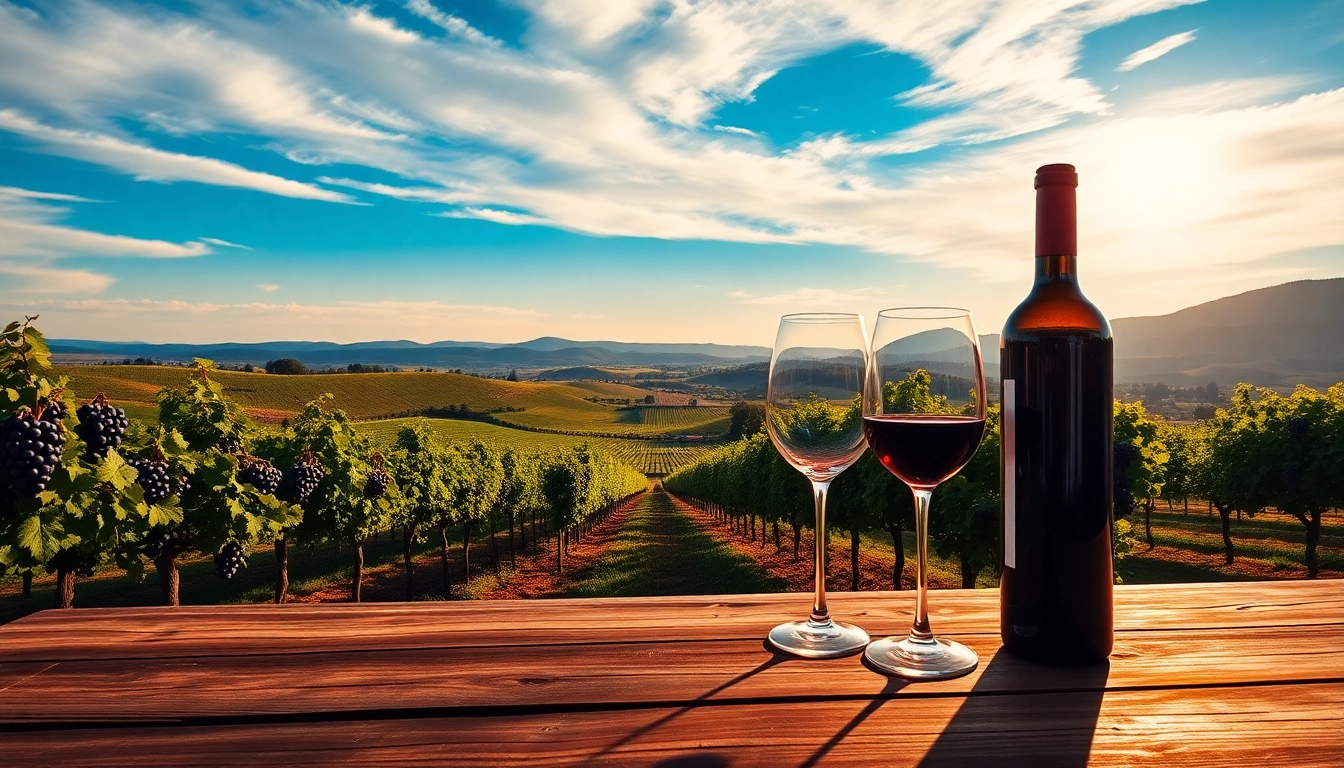
Many California wineries are renowned for their stunning architecture, which ranges from rustic barns to grand estates that resemble Mediterranean villas. The aesthetic appeal is often complemented by breathtaking views of rolling vineyards and majestic hills.
For example, wineries in Napa Valley come equipped with jaw-dropping vistas, making them a perfect backdrop for vineyard tours and tastings. Landscaping can also play a crucial role, with gardens and outdoor spaces inviting guests to enjoy their wine while soaking in the serene surroundings.
2.2 Exceptional Wine Quality and Sustainable Practices
Quality is paramount in California’s wine industry, with many wineries adopting sustainable and organic farming practices, ensuring that their wines reflect the best of their terroir. Winemakers emphasize minimal intervention in both vineyard management and wine production, promoting integrity in the flavors and aromas of their wines.
Certifications like California Certified Organic Farmers (CCOF) and Sustainable Winegrowing Program (SWP) are indicative of a winery’s commitment to sustainable practices. Consumers are increasingly seeking wines that are not only delicious but also produced responsibly.
2.3 Memorable Tasting Experiences and Tours
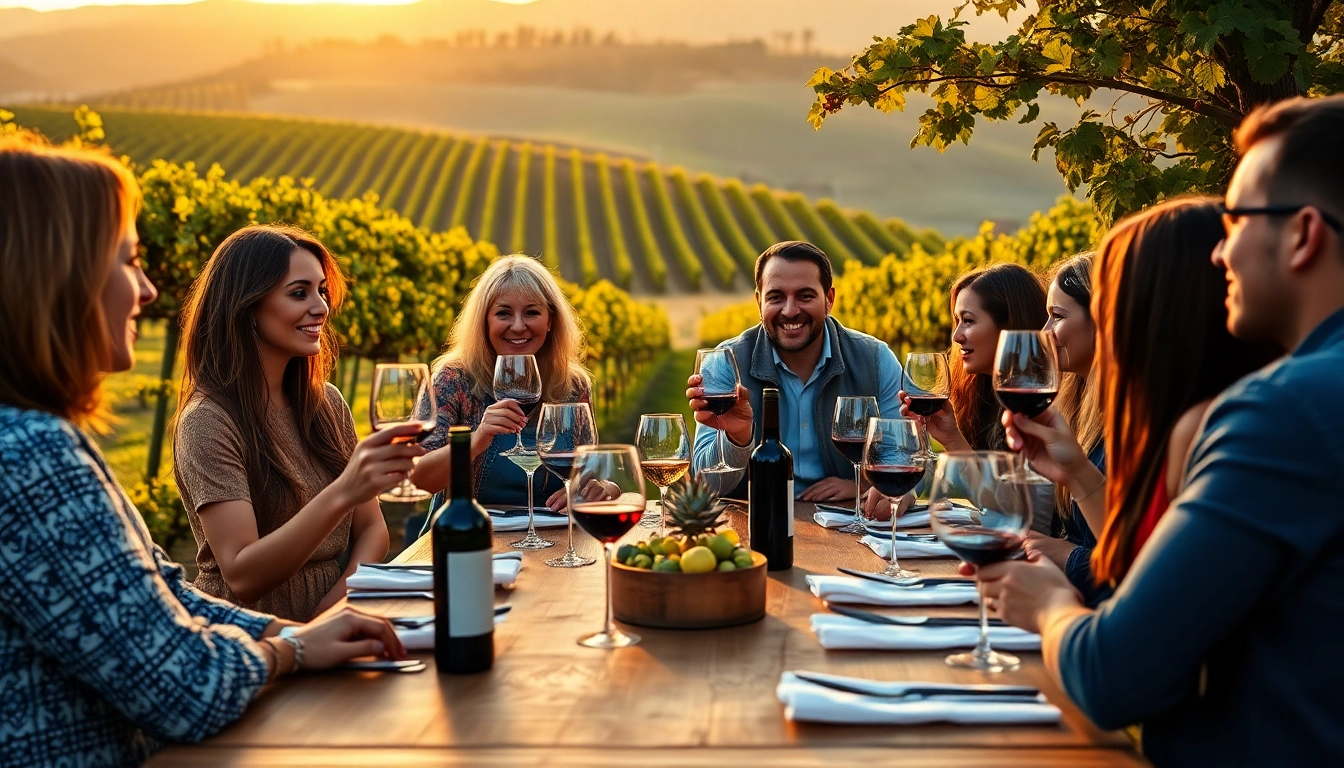
Wine tastings today are more dynamic than ever. Many wineries provide personalized experiences that offer insight into their production process, often led by winemakers or knowledgeable staff. Customized tours include food pairings, educational sessions regarding varietals, and even behind-the-scenes looks at barrel aging.
Additionally, many wineries introduce unique elements to their tasting experiences, such as sensory tastings that engage multiple senses, themed tasting flights, or exclusive access to limited vintage selections. These experiences deepen guests’ appreciation of wine and enhance the overall enjoyment.
Planning Your Vineyard Visits
Embarking on a journey through California’s wine country requires some planning. Understanding the best times to visit, tips for making the most of your vineyard tour, and what essentials to bring can significantly enhance your experience.
3.1 Best Times to Visit California Wineries
The ideal times to visit California wineries are during the spring (March to May) and fall (September to November). Spring offers beautiful blooming vineyards and delightful weather for outdoor tastings. The fall sees the grape harvest season, making it a vibrant and festive time, with numerous events celebrating the bounty of the harvest.
While summer is warm and busy, winter provides a quieter experience, often with discounted tasting fees or special events such as holiday celebrations. Each season brings its unique charms, allowing visitors to choose according to their preferences.
3.2 Tips for a Smooth Vineyard Tour Experience
Proper preparation can elevate your vineyard tour experience. Start by making reservations in advance, especially for well-known wineries. This guarantees your spot during peak times.
Dress appropriately for the weather, wearing comfortable shoes for vineyard walks. Hydrate prior to and during your visits, as tasting can lead to dehydration. Remember to pace yourself—enjoying the experience is more rewarding than trying to visit too many wineries in one day.
3.3 Essential Accessories for Wine Tasting
When planning your vineyard visits, a few accessories can enhance your experience. A portable wine opener and a wine preservation system can allow you to transport your favorites safely. A reusable water bottle is also vital to stay hydrated throughout the day.
Consider packing a notebook or an app to track your tastings, making a note of favorites. Lastly, sunscreen and a hat are invaluable for sunny days spent outdoors in the vineyards.
Unforgettable Wineries to Visit in California
Here’s a collection of extraordinary wineries in California that offer memorable experiences, beautiful surroundings, and exquisite wines.
4.1 Iconic Wineries with Historic Significance
Some wineries in California are steeped in history, having been established over a century ago. These iconic locations often blend rich heritage with modern winemaking practices.
Visiting such wineries can provide insight into the cultural evolution of California’s wine industry and the stories behind unique regional wines. Many of these wineries offer farm-to-table dining experiences and chic tasting rooms to enhance the visit.
4.2 Up-and-Coming Small Wineries to Discover
California’s wine landscape is ever-evolving, with numerous small and family-owned wineries emerging, known for their artisanal production methods and niche varietals. These hidden gems often provide intimate tasting experiences, allowing you to interact closely with winemakers.
Visiting smaller wineries often results in more personalized attention, and you may discover unique wines that are not widely available. Exploring these less popular spots will give you a deeper appreciation of the local winemaking culture.
4.3 Family-Friendly Wineries Offering Unique Experiences
Many wineries recognize the importance of inclusivity and provide family-friendly activities that ensure fun for all ages. These might include outdoor picnic areas, playgrounds, and child-friendly activities that engage younger visitors.
Some wineries host events, such as art classes, live music, or outdoor movie nights, thus creating an inviting atmosphere for family outings. This approach makes wine country accessible for families wishing to create lasting memories together.
Frequently Asked Questions about California Wineries
5.1 What is the best time of year to visit wineries in California?
Spring and fall are ideal, offering beautiful weather and seasonal events that enhance your tasting experience.
5.2 Can I bring children to wineries?
Many wineries welcome children and offer family-friendly activities and amenities, making it a memorable experience for everyone.
5.3 Do I need to make reservations for wine tastings?
It’s often recommended to ensure availability, especially during peak seasons when wineries can be busy with visitors.
5.4 What types of wine can I expect to taste?
California is renowned for its diverse varietals, including Cabernet Sauvignon, Zinfandel, and Chardonnay, allowing for a wide range of tasting experiences.
5.5 Are there any wine tours available?
Yes, numerous companies offer guided tours across various wine regions, enhancing your experience with knowledgeable insights and convenience.