
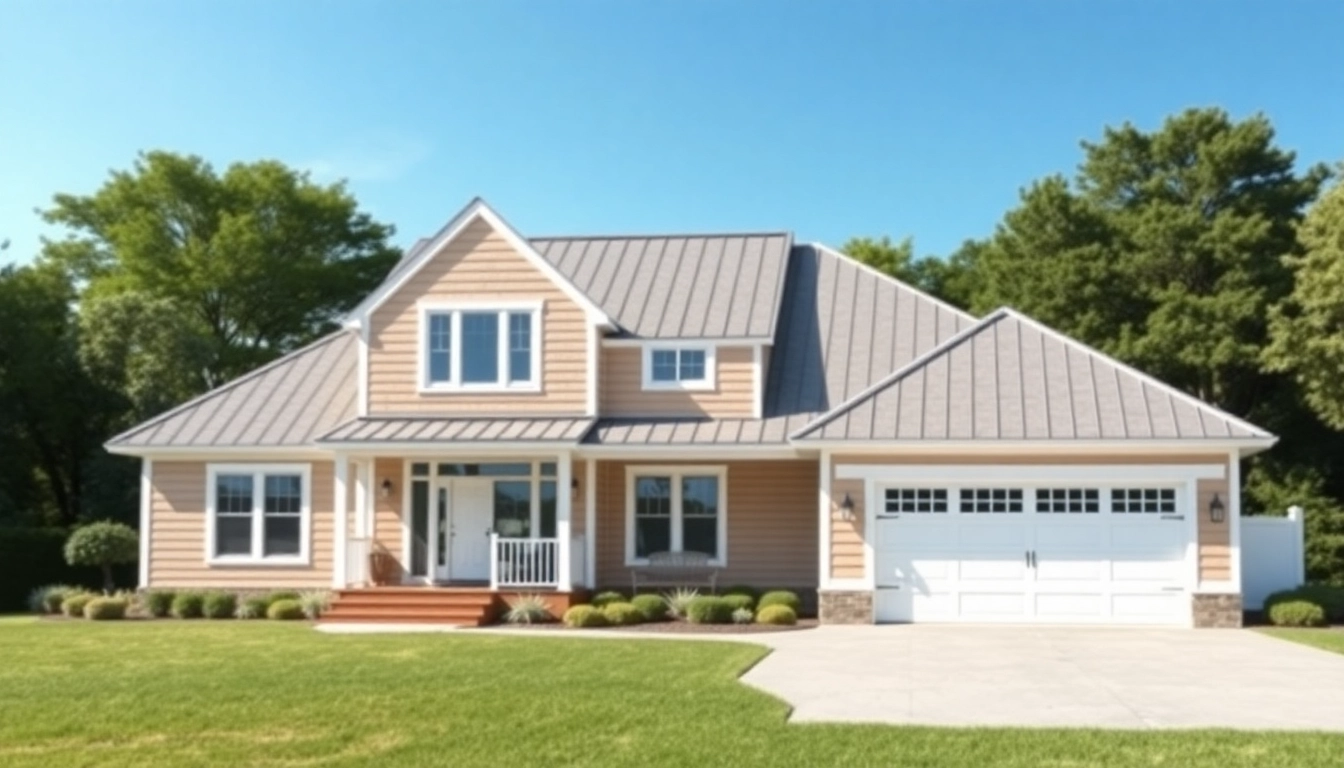
Understanding Cape Cod Home Design
History and Characteristics of Cape Cod Homes
The cape cod home has its roots in the early colonial architecture of New England, particularly the Cape Cod region itself. Dating back to the 1600s, these homes were designed to withstand the harsh coastal climate. Characterized by steep roofs, symmetrical facades, and dormer windows, they often feature clapboard siding painted in muted colors. Originally built by early settlers as a response to the local environment, the design maximizes interior space while promoting efficient heating from the fireplace at the center of the home. The simplicity and practicality of these homes made them enduringly popular, embodying a rustic charm that resonates with many modern homeowners today.
Modern Trends in Cape Cod Houses
In recent years, there has been a renaissance of the cape cod home style, blending traditional aesthetics with modern conveniences. Homeowners increasingly embrace open floor plans, large windows for natural light, and energy-efficient materials. Furthermore, the nostalgic architectural elements are often enhanced with contemporary fixtures and smart home technologies, creating a seamless blend of the past and present. Outdoor living spaces, such as screened porches and patios, are also making a comeback, reflecting the modern homeowner’s desire for connection to nature and community.
Architectural Features That Stand Out
The defining features of a cape cod home include low ceilings, centralized fireplaces, and broad eaves. Most homes are one to one-and-a-half stories, with steeply pitched roofs made to shed snow. The facade typically includes a symmetrical arrangement of windows, often in pairs, with shutters that provide both aesthetic appeal and functional privacy. Many homeowners now incorporate sustainable practices by integrating solar panels or green roofs, preserving the traditional look while enhancing environmental impact. Also prevalent are unique elements like cedar shake siding and stone accents that enhance curb appeal while respecting the original architectural ethos.
Planning a Home Expansion
Assessing Your Space and Needs
When considering an expansion for your cape cod home, the first step is evaluating your current space and determining your needs. Think about why you want to expand: is it to accommodate a growing family, enhance entertainment space, or possibly create a home office? Create a list prioritizing your must-haves versus your nice-to-haves. Also, consider the layout and flow of your current home. Is there dead space that could be repurposed? Engaging with a professional architect can facilitate discussions and provide insights into how best to utilize your space effectively.
Choosing the Right Design Team
Your design team can make or break the success of your expansion project. When seeking professionals, look for those with specific experience in cape cod home architecture. Interview multiple architects and contractors, asking for examples of past work and client references. A collaborative approach is vital, so ensure they understand your vision and can translate it into a functional layout while respecting local zoning laws and building codes. Establishing a clear communication strategy ensures that everyone is aligned throughout the construction process.
Budgeting for Your Expansion Project
Budgeting is often the most daunting aspect of planning a home expansion. Start by determining your budget cap, which should be based on your financial situation alongside projected home value increases post-expansion. Obtain estimates from various contractors and factor in costs such as labor, materials, unexpected expenses, and design fees. It is also wise to set aside a contingency fund of 10-20% of your total budget for unforeseen complications. Review costs regularly and manage your finances alongside your design team’s progress.
Building an Attached Garage: Key Considerations
Benefits of an Attached Garage
An attached garage offers a multitude of benefits for your cape cod home. Primarily, they provide practical advantages, such as sheltering your vehicle from the elements, thereby extending its lifespan and reducing maintenance costs. Additionally, they enhance accessibility; with direct entry into the home, you shield yourself from inclement weather while carrying groceries or other items. An attached garage can also serve as additional storage space, accommodating tools, outdoor equipment, or seasonal decorations. Ultimately, these conveniences elevate the functionality of modern living.
Design Styles That Complement Cape Cod Homes
When designing an attached garage for your cape cod home, it’s crucial that the style reflects the historic charm of the main house. Many opt for a traditional gable roof in sync with the existing structures, using similar siding materials and colors. Consider incorporating architectural elements such as dormers or window boxes for added charm. Horizontal siding or natural wood finishes can harmonize with the coastal aesthetic of Cape Cod. Thoughtfully designing the garage will not only respect the architectural history but also enhance the overall curb appeal of your property.
Permitting and Regulations to Watch
Before commencing construction on your attached garage, you must navigate local permitting and zoning regulations. Research your municipality’s guidelines regarding the size, placement, and design of the addition. Typically, submissions will require detailed schematics illustrating how the new structure aligns with local aesthetics and maintains safety standards. Engaging a local architect or builder familiar with these regulations can expedite the permitting process and ensure compliance. Knowing the requirements upfront helps avoid costly delays and potential redesigns.
Enhancing Curb Appeal for Your Cape Cod Home
Landscaping Ideas That Elevate Charm
Landscaping is integral to boosting the curb appeal of a cape cod home. Start by emphasizing natural coastal elements such as beach grass, hydrangeas, or low-maintenance shrubs that thrive in seaside conditions. Adding stone pathways or natural wood decks can enhance the connection between your home and its surroundings. Additionally, using native plants will encourage local wildlife while being low-maintenance. A well-planned yard layout, paired with strategic foliage placements, creates an inviting atmosphere that reflects the charm of Cape Cod.
Color Schemes for Visual Impact
Choosing the right color scheme can significantly impact the visual appeal of your cape cod home. Traditional colors include soft pastels, muted grays, and whites that complement the waterfront setting. For a modern twist, homeowners are now experimenting with bold navy blues or deep greens, offering a striking contrast against white trim. Whichever palette you decide, ensure it harmonizes with the natural landscape and surrounding homes. Regular repainting and maintaining siding in accordance with these color choices also play an essential role in sustaining a home’s curb appeal.
Exterior Lighting Choices for Character
The selection of exterior lighting is vital for enhancing the character and safety of your cape cod home. Utilize fixtures that resonate with the coastal aesthetic, such as lantern-style sconces or post lights. LED lighting fixtures can illuminate the outdoor spaces effectively while remaining energy-efficient. Consider installing lighting along pathways and around landscaping for visibility and atmosphere. The right lighting enhances not only safety but also creates an inviting ambiance during evening hours, encouraging both family time and evening gatherings.
Maintaining Your Cape Cod Home Post-Expansion
Routine Maintenance Tips for Longevity
Once you’ve expanded your cape cod home, maintaining it becomes crucial to ensuring its longevity. Schedule regular inspections of the roof, siding, and foundation to catch any issues early. Cleaning gutters and downspouts monthly prevents water damage and promotes efficient drainage. Make a habit of checking seals and caulking around windows and doors every season, as this prevents moisture penetration and reduces energy bills. These proactive tips will help maintain both the aesthetics and structural integrity of your home.
Seasonal Preparations for Coastal Homes
Coastal living requires specific seasonal maintenance to keep your cape cod home in optimal condition. In the summer, focus on protecting your home from sun and salt damage by applying quality sealants to siding and decking. Schedule fall cleanups to prepare your home for winter, which may involve winterizing outdoor plumbing and securing downspouts against heavy snowfall. Pay attention to storm preparedness, ensuring that any necessary supplies, like sandbags, are readily accessible. These seasonal preparations keep your home resilient in the face of environmental challenges.
Maximizing Energy Efficiency
With the rise in energy costs, maximizing efficiency in your cape cod home is more pertinent than ever. Upgrading to energy-efficient windows and doors can significantly reduce heating and cooling costs. Insulating walls and attics adequately is vital for maintaining climate control. Consider installing smart technology to monitor and manage energy use effectively. Regularly reviewing your energy consumption helps identify areas for improvement, enabling you not only to save money but also to positively impact the environment.
Frequently Asked Questions
What are the defining features of a Cape Cod home?
Defining features include steep roofs, symmetrical facades, dormer windows, and clapboard siding in muted colors. These elements combine for a simple and functional design suited for coastal climates.
How do I choose the right team for my home expansion?
Look for architects and contractors with experience in Cape Cod-style homes. Check their portfolios, seek references, and ensure clear communication to keep your vision aligned throughout the project.
What should I consider when adding an attached garage?
Consider aspects like design compatibility with your home, local building codes, weather protection for vehicles, and potential storage needs. A cohesive look with your home is essential for curb appeal.
How do I enhance the curb appeal of my current Cape Cod home?
Enhance curb appeal by focusing on landscaping with native plants, selecting an appropriate color scheme, and adding exterior lighting fixtures. These elements will create an inviting façade.
What maintenance is essential for a Cape Cod home?
Regular maintenance tasks include inspecting the roof and siding, cleaning gutters, checking seals on windows and doors, and winterizing plumbing to prepare for seasonal weather changes.